Organic copper describes copper associated with carbon-containing molecules, but the term does not have one universal meaning. In agriculture and nutrition, it often refers to copper bound to organic compounds, such as amino acids or other chelating agents. In organic chemistry, “organocopper” can mean a different group of compounds used in specialized reactions. Context matters. The label is not always as clear as it should be.
These forms are used in several fields. Farmers may use copper-containing products to supply a plant micronutrient, though the product’s formulation and application instructions matter. Animal nutrition products may include copper compounds in carefully measured amounts. In laboratories, organocopper reagents can help chemists build specific molecules. These are distinct uses, not interchangeable products. Small amounts matter.
A useful overview should explain what the copper is bound to, how that changes its behavior, and where the material is intended to be used. For example, a chelated nutrient in a labeled agricultural product is not the same as a reactive reagent handled in a chemistry lab. Product names alone may not tell the whole story. Check the stated composition, intended use, and handling guidance from reliable sources. Even then, terminology can be imperfect, so readers should avoid assuming that “organic” automatically means safer, natural, or suitable for every application.
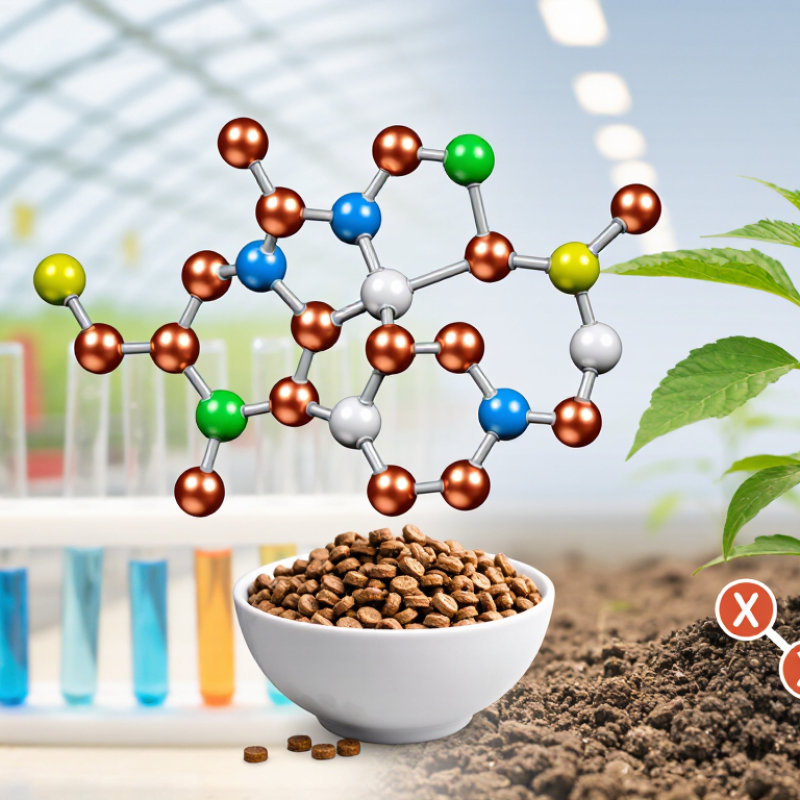
Organic copper compounds, often called organocopper compounds, contain a direct bond between copper and carbon. This bond distinguishes them from copper salts that merely sit beside an organic molecule. The difference matters. For example, copper coordinated to an amino acid is not automatically an organocopper compound.
Many familiar examples are based on copper(I). Their structures include simple species written as RCu and lithium diorganocuprates, written as R₂CuLi, where R represents an organic group. In a flask, that group might contain a small alkyl chain or an aromatic ring. The precise structure affects how the copper reacts. The category is useful, but not perfectly tidy: copper can also coordinate with other atoms in the same molecule.
Chemists use organocopper reagents in synthesis, especially to form carbon–carbon bonds. Some add an organic group to a particular position on a molecule, helping build more complex structures. They can be selective, though results depend on the substrate, solvent, temperature, and reaction design. That dependence is easy to underestimate. Many organocopper compounds are sensitive to air or moisture, so researchers control conditions and verify reaction progress rather than assuming a standard procedure will work every time.

Organic copper describes copper associated with carbon-containing molecules, but the term covers several different materials. In nutrition, it often means copper coordinated with an organic ligand, such as an amino acid or gluconate. In chemistry, “organocopper” can instead refer to compounds with a direct copper–carbon bond. These meanings are related, but they are not interchangeable. Context matters.
Many copper complexes are made by mixing a copper salt with a chosen organic ligand in a controlled solution. The ligand binds copper ions, forming a coordination compound. Manufacturers or researchers may then adjust acidity, temperature, and concentration before filtering or drying the product. Classification usually follows the ligand or the copper–carbon bond: examples include amino acid chelates, copper carboxylates, and organocopper reagents. Analytical testing can confirm composition and stability. Categories sometimes overlap, and naming is not always consistent. That can be confusing.
Tips: Check the ingredient’s full chemical name and intended use, not just the word “organic.” For a supplement, follow its label and ask a qualified health professional about suitability. For laboratory materials, consult the safety data sheet and technical specifications. Small details matter.
| Compound Class | Structure and Typical Examples | How It Is Generally Made | Common Uses | Classification Note |
|---|---|---|---|---|
| Organocopper(I) reagents | Compounds with a direct copper–carbon bond. A common class is lithium diorganocuprates, often written as R2CuLi, where R is an organic group. | Typically prepared under controlled, moisture-free conditions by reacting an organolithium or related carbon-transfer reagent with a copper(I) salt. | Used in organic synthesis to form carbon–carbon bonds, including conjugate additions to activated alkenes and selected substitution reactions. | “Organocopper” in the strict organometallic sense: at least one organic group is directly bonded to copper. Many reagents are air- and moisture-sensitive. |
| Copper acetylides | Copper compounds containing a copper–carbon bond to an acetylide group, commonly represented as Cu–C≡C–R. | Formed by the reaction of a copper source with a terminal alkyne under suitable conditions; they may also occur as intermediates in copper-catalyzed reactions. | Used as intermediates in alkyne chemistry and in copper-catalyzed azide–alkyne cycloaddition reactions. | These are organocopper compounds because of the direct Cu–C bond. Some dry or isolated copper acetylides can be dangerously sensitive to shock or heat. |
| Copper carboxylates | Copper salts of organic acids, with carboxylate groups such as RCOO− coordinating through oxygen. Copper naphthenate is one example. | Generally made by reacting a copper source with an organic carboxylic acid or its salt. | Copper naphthenate is used as a wood preservative. Other copper carboxylates can serve as catalysts, reagents, or specialty materials. | Often included in the broad category of organic copper compounds, but they usually have Cu–O rather than direct Cu–C bonds and are not organocopper compounds in the strict sense. |
| Copper chelates and organic-ligand complexes | Copper ions coordinated by organic molecules through donor atoms such as oxygen or nitrogen. Examples include copper gluconate and copper amino-acid complexes. | Typically formed by combining a copper salt with an organic ligand under conditions that promote coordination or chelation. | Used in some nutritional products and agricultural micronutrient formulations; particular uses depend on the compound and applicable regulations. | The organic ligand binds to copper, but a direct Cu–C bond is generally absent. These are coordination compounds, not strict organocopper compounds. |
| Copper 8-quinolinolate | A copper coordination compound containing the organic ligand 8-quinolinolate, which binds through nitrogen and oxygen donor atoms. | Generally prepared by reacting a copper source with 8-hydroxyquinoline or a related ligand under suitable conditions. | Used in certain fungicidal and antimicrobial applications, including some wood-preservation uses. | An organic-ligand copper complex rather than a compound with a direct copper–carbon bond. Uses and permitted applications vary by jurisdiction. |
Organic copper is copper associated with carbon-containing molecules, such as amino acids, proteins, or organic acids. The word “organic” describes its chemical partner; it does not automatically mean certified organic or safer. The exact properties depend on that partner. Some complexes dissolve readily in water, while others bind more tightly. The label can confuse people. It does not, by itself, prove better absorption.
Copper is an essential trace mineral, and the body uses it in several enzyme systems. Cytochrome c oxidase helps cells produce energy, while lysyl oxidase supports collagen and elastin formation in connective tissue. Ceruloplasmin helps manage iron, and copper-containing superoxide dismutase helps limit certain reactive molecules. These are specific jobs, not a general “energy boost.” In foods and tissues, copper is commonly bound to proteins or other molecules; digestion and absorption depend on the form and the body’s needs.
Tips: Check the actual copper compound and amount on a product label, rather than relying on “organic.” Food sources include nuts, seeds, legumes, and shellfish. Needs vary, and too much copper can be harmful. Ask a qualified health professional before using supplements, especially if you have a medical condition.
Organic copper compounds contain copper associated with carbon-based molecules, but the term covers several different structures. Some have direct copper–carbon bonds; others are copper ions held by organic ligands. That distinction matters. Their properties, handling, and uses can differ sharply.
In organic synthesis, organocopper reagents help chemists build carbon–carbon bonds. For example, they can add a carbon group to a specific position on an unsaturated molecule, often with useful selectivity. This makes them valuable when a reaction needs control rather than brute force. Many are sensitive to air or moisture, though, so chemists prepare and handle them under carefully controlled conditions. Small details matter.
Copper complexes with organic ligands also appear in materials research. Researchers study them as catalysts, light-responsive compounds, and components of sensors that change their signal when they encounter certain molecules. Some are investigated for use in light-emitting or energy-related devices, but performance depends on the exact molecular structure and device design. A promising result in a laboratory is not automatically a practical product. The label “organic copper” alone tells us little; the compound’s composition and intended use deserve a closer look.
Organic copper describes copper associated with carbon-containing molecules, but the term can cover different formulations. Some products are chelated copper compounds; others have different chemical properties. Check the product label and safety data sheet before handling. Similar names do not guarantee similar hazards. That distinction is easy to miss.
Wear suitable gloves and eye protection, and use good ventilation where dust or mist may form. Keep containers closed, dry, and away from incompatible materials listed in the safety data sheet. Do not guess. For a spill, avoid sweeping dry powder into the air; follow the product’s cleanup instructions and prevent material from reaching drains. Small details matter.
Copper does not disappear when a product breaks down. Its organic components may degrade, while copper can remain in soil or water and affect sensitive plants and aquatic organisms. Use only the amount needed, collect residues carefully, and follow local disposal guidance. Rinsing tools over a storm drain can carry copper straight into waterways. Environmental behavior varies with the compound, soil, and water chemistry, so broad claims about every organic copper product would be misleading.