
Inquiry
Form loading...

How to Buy Organic Copper in Bulk?

Buying Organic copper in bulk requires more than comparing prices per kilogram. The term can describe different copper-based materials, and copper itself is a mineral element, not an organic substance. Buyers should clarify whether they need a specific copper compound, a product intended for agricultural use, or material meeting a particular certification standard. That distinction matters.

A reliable purchasing process starts with a precise specification. Confirm the chemical name, grade, purity, particle size, and intended application before requesting quotations. Ask suppliers for a current certificate of analysis, safety data sheet, country-of-origin details, and any relevant product certifications. Check that the documents match the exact batch being offered. A polished brochure is not proof. If specifications remain vague, pause and ask for clarification.

Bulk orders also involve practical details that are easy to overlook. Compare minimum order quantities, sample availability, packaging, storage requirements, lead times, shipping costs, and payment terms. For example, a 25-kilogram sample can help assess packaging condition and product consistency before a larger shipment is arranged. It may not reveal every batch variation, though. Keep that limitation in mind. Verify supplier credentials through references or an established business history, and confirm that the product is suitable for your use and destination requirements. The lowest quotation may exclude important costs or support. A careful buyer records each comparison and keeps supplier communication in writing. This guide explains how to assess suppliers, verify product claims, and negotiate a bulk purchase with fewer avoidable surprises.
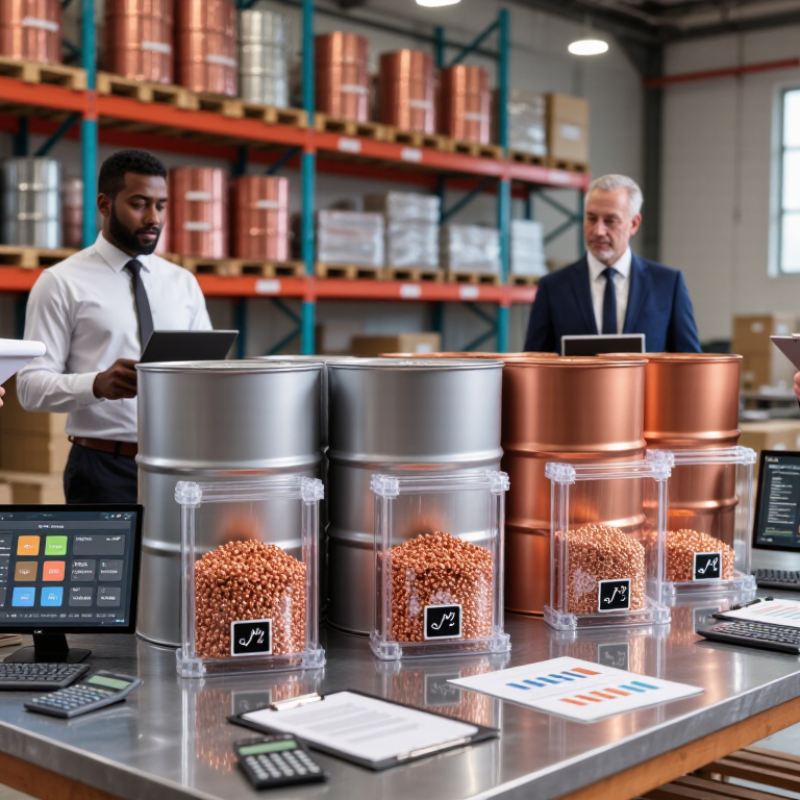
How to Buy Organic Copper in Bulk?

Define the Type and Specifications of Organic Copper You Need

Before buying organic copper in bulk, define what “organic” means for your application. It may describe copper bound to an organic ligand, such as amino acids or organic acids; it does not automatically mean the product is certified for organic farming. Names can mislead. Request the exact copper compound, ligand identity, elemental copper percentage, and intended use. For feed, fertilizer, or industrial processing, the required grade and acceptance limits can differ.

Specify measurable checks, not just a product name. Ask for a certificate of analysis showing copper assay, moisture, solubility, particle size, and relevant contaminant results, with test methods and batch identification. Small differences matter. For example, a powder that dissolves slowly may not suit a dosing system designed for a liquid concentrate. The USGS Mineral Commodity Summaries 2025 estimated 2024 global copper mine production at 23 million metric tons; this broad supply figure does not establish the purity or consistency of specialty organic copper. I would verify batch-to-batch limits and retain a sample before committing to a large order. It is a practical step, though easy to skip when a specification sheet looks complete.


Check Applicable Standards and Required Certifications

Before requesting a bulk quote, clarify what “organic copper” means for your use. It may refer to a copper compound bound to an organic molecule, not copper certified for organic farming. The distinction matters. Ask for the exact chemical name, intended application, and applicable product standard in writing.

For agricultural use, check whether the input is permitted under the organic rules and certification program relevant to your market. Ask the supplier for current certificates, their scope, and the certifying body’s details. A certificate for a facility does not automatically cover every product. For other uses, request a batch-specific certificate of analysis, safety data sheet, and test results for copper content and relevant contaminants. Check the lot number against the paperwork. Keep the records.

I would also verify traceability, manufacturing location, and how testing is performed before placing a large order. A tidy certificate can still leave questions: does it apply to this grade, this site, and this batch? Request a small sample and compare its label and documents with the proposed bulk shipment. Requirements can vary by application and destination, so confirm them with the relevant certifier or qualified regulatory professional. Bulk pricing is useful, but not if the paperwork describes a different product.

Identify and Evaluate Bulk Organic Copper Suppliers

When buying organic copper in bulk, evaluate the supplier’s documentation before comparing price. Copper products differ in concentration, formulation, and permitted uses. Ask for a current certificate or other documentation showing whether the product is accepted for your intended organic production program. Requirements can vary by region and use, so confirm them with your certifier. Ask for a batch-specific certificate of analysis, including copper content and relevant contaminant results. Details matter. Check that the lot number on the documents matches the drums or bags you receive.

A dependable supplier should explain how products are stored, packaged, and shipped, and provide realistic lead times. Request a small sample when practical, then assess how it mixes and handles under your working conditions. Ask how the supplier manages damaged packaging, delayed shipments, and quality complaints. A polished brochure can still leave gaps, and that is easy to miss. Look for clear answers rather than broad promises. Compare quotations only after confirming the same concentration, package size, delivery terms, and documentation. Keep records of supplier responses and received lot numbers; they help you investigate inconsistencies later. Bulk purchasing can reduce costs, but an unverified product may create more trouble than the savings justify.

How to Buy Organic Copper in Bulk? — Identify and Evaluate Bulk Organic Copper Suppliers

Evaluation Dimension What to Request How to Evaluate Verification Evidence
Product identity and formulation Exact copper compound, formulation type, copper content, and intended agricultural use. Confirm that the product matches the crop, application method, and local registration requirements. Different copper compounds and formulations are not interchangeable. Current product label, technical data sheet, and product specification.
Organic-use eligibility Documentation supporting the product’s eligibility for the buyer’s organic production program and destination market. Do not assume that a copper-containing product is automatically permitted for organic use. Eligibility can depend on the formulation, use restrictions, jurisdiction, and certifier. Current organic input documentation, where applicable, plus confirmation from the buyer’s organic certifier and review of the applicable rules and label.
Product registration and label compliance Applicable registration details, approved uses, directions, restrictions, and safety information. Check that the product is authorized for the intended use and market. Follow the product label, including application limits and environmental precautions. Current approved label and Safety Data Sheet (SDS); registration information where required by the destination jurisdiction.
Composition and quality specification Guaranteed analysis, physical form, relevant impurity limits, and specification tolerances. Compare the supplier’s specification with the buyer’s requirements. There is no single specification that applies to every copper formulation or use. Product specification and a certificate of analysis (COA) for the offered product.
Lot testing and traceability Lot-specific testing records and a process for tracing product from manufacture through delivery. Check that each shipment can be linked to a production lot and that the COA corresponds to the lot being supplied. Lot number on packaging and shipping documents; matching lot-specific COA and traceability records.
Physical handling and compatibility Recommended storage conditions, mixing guidance, and any known compatibility limitations. Confirm that the product’s physical form and handling instructions suit the buyer’s equipment and storage conditions. Do not combine products unless the label or qualified technical guidance permits it. Label, SDS, technical data sheet, and written handling guidance where needed.
Bulk packaging and transport Available package formats, net weight, pallet configuration, protective closures, and freight options. Check that packaging protects the product during transport and storage, and that the shipment format is compatible with receiving and handling equipment. Packaging specification, shipment details, and inspection of package condition on receipt.
Moisture and storage management Storage requirements and recommendations for preventing moisture exposure or product deterioration. Confirm that the receiving site can maintain the stated conditions and rotate inventory by lot and date, where relevant. SDS and product storage instructions; documented receiving and inventory procedures.
Supply capacity and order terms Minimum order quantity, available volume, lead time, shipment schedule, and quotation validity. Compare delivered cost and schedule on the same basis, including freight, packaging, payment terms, and any applicable fees. Written quotation, order confirmation, and agreed delivery terms.
Supplier quality and issue handling Quality-control process, complaint procedure, nonconformance process, and replacement or credit terms. Assess whether the supplier can investigate specification or shipment issues and provide a documented response. Written quality procedures, complaint contacts, and contract or purchase-order terms.
Environmental and application stewardship Guidance on responsible use, runoff prevention, and applicable restrictions on copper use. Copper can persist in soil and accumulate with repeated use. Review the label and local requirements, and use only as permitted and necessary. Product label, local regulatory guidance, and the operation’s nutrient or crop-protection records.

Use this checklist to compare offers rather than as a list of claims about any specific supplier. Confirm current product eligibility, registration, and use restrictions with the relevant regulator and organic certifier before purchase.

Compare Quotes, Minimum Orders, and Delivery Terms

When comparing bulk quotes for organic copper, make every supplier price the same specification. State the copper form, purity range, particle size or dimensions, packaging, and required documents. Request a recent assay or certificate of analysis, plus batch traceability. Otherwise, a lower quote may describe a different material. It is an easy detail to miss.

Compare landed cost, not just unit price. Ask for separate figures for product, packing, freight, insurance, and handling. Check the currency and quote validity date. Then compare minimum order quantities with your actual usage. A 500-kilogram lot may reduce the unit price but tie up cash and storage space. Ask whether a trial lot or mixed shipment is available. Not always. Smaller orders may cost more per kilogram.

Delivery terms deserve equal attention. Confirm the dispatch window, transit estimate, delivery location, unloading responsibilities, and damage-claim process. Put the agreed shipping terms in writing, including who pays each transport charge. Clarify what happens if a shipment arrives late or short. I still find lead times easy to underestimate, especially around holidays. Build in a buffer. On arrival, check seals, labels, and batch numbers before treating paperwork as proof. Check it twice.

Verify the Shipment and Confirm Product Quality

When buying organic copper in bulk, verify the shipment against the purchase specification before unloading. Check the lot number, product name, net weight, and seal details on the documents and bags. They should match. Photograph torn sacks, damp corners, or unusual staining as soon as they appear. Small details matter.

Request a certificate of analysis tied to the delivered lot, not just a general product sheet. Compare stated copper content, moisture, particle size, and solubility with the agreed limits. If quality is critical, arrange independent testing on a representative sample; a surface sample from one bag may not reflect an entire load.

Keep the sample sealed and label it with the lot number and date. Keep the record.

The word “organic” can describe different product standards, so confirm what it means for the intended use and request supporting documentation. A complete file still cannot reveal every handling problem. Inspect several bags from different pallet positions, and note any mismatch before signing acceptance.

A clean certificate is useful, but it is not proof that every pallet arrived in good condition. It is easy to rush this check when a truck is waiting; that pressure is worth planning for.