How to Source High Quality Soy Isoflavones for Global Buyers?
In recent years, soy isoflavones have gained significant attention among health-conscious consumers and industry buyers alike. These powerful phytoestrogens, found abundantly in soybeans, offer numerous health benefits. The demand for high-quality soy isoflavones is increasing globally due to their role in promoting heart health and mitigating menopausal symptoms. However, sourcing these compounds can be challenging.
Buyers must navigate a complex landscape filled with various suppliers and products. Not all soy isoflavones are created equal; factors like extraction methods and source quality can greatly impact efficacy. It is crucial for buyers to seek out reputable suppliers who adhere to stringent quality controls. This can mitigate risks associated with contaminated or ineffective products.
While the potential benefits of soy isoflavones are promising, caution is advisable. Claims about their health effects should be backed by credible research. Furthermore, buyers must be aware of the evolving regulations surrounding dietary supplements in various regions. Ensuring the reliability of soy isoflavones requires thorough research and careful vendor evaluation.
Understanding Soy Isoflavones and Their Health Benefits
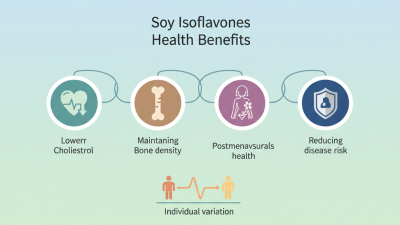
Soy isoflavones are natural compounds found in soybeans, widely recognized for their potential health benefits. Research shows that these compounds may help reduce the risk of chronic diseases. A study published in the Journal of Nutrition reports that soy isoflavones can positively affect heart health by lowering cholesterol levels. Additionally, they may alleviate menopausal symptoms, offering relief to many women.
Tips for sourcing high-quality soy isoflavones include verifying the purity of the product. Look for suppliers that provide third-party testing reports, ensuring transparency and quality. Consult the USDA or similar databases for comprehensive nutrient profiles of soy products.
Incorporating soy isoflavones into your diet may contribute to better health. The average intake of isoflavones in the Western diet is around 1–3 mg per day. However, some studies suggest that an intake of 40 mg may be necessary to achieve significant health benefits. Some experts recommend seeking sources with higher concentrations to maximize your intake. This can pose challenges in sourcing consistent, high-quality products globally.
Identifying Reliable Suppliers for Soy Isoflavones
Sourcing high-quality soy isoflavones requires careful consideration of suppliers. Researching potential partners is crucial. Look for suppliers with certifications that guarantee quality. Certifications can indicate adherence to industry standards. They ensure that the products meet safety and reliability benchmarks.
Examine supplier reviews and feedback from previous clients. This can provide insight into their reputation. Online forums and product review sites can be helpful. Engage in conversations with other buyers in the industry. Their experiences can shed light on trustworthy suppliers.
Testing samples before making large purchases is advisable. This helps assess the product’s purity and efficacy. Look for transparency in sourcing methods and production processes. Reliable suppliers will be upfront about their practices. Reflecting on these aspects ensures better sourcing decisions.
Evaluating Quality Standards for Soy Isoflavones
When sourcing high-quality soy isoflavones, evaluating
quality standards is crucial. The global market for soy isoflavones has seen significant growth, projected to reach over
USD 1.5 billion by 2025. Yet, ensuring quality remains a challenge for many buyers.
Various reports indicate that not all soy isoflavones are created equal. Compounds should ideally consist of a minimum of
40% genistein and daidzein for optimal health benefits.
Lab testing serves as a foundation for assessing quality. Buyers should demand certificates of analysis from suppliers.
These documents verify levels of purity, as well as the absence of contaminants. The American Herbal Products Association (AHPA) suggests that suppliers adhere to
Good Manufacturing Practices (GMP). This practice enhances reliability.
Additionally, evaluating sourcing methods is vital.
Organic certification can signify superior quality. However, not every supplier holds this accreditation.
Understanding the supply chain also impacts quality assessment. Some sources may use solvents in extraction, affecting the final product's purity.
High-quality soy must be sustainably sourced, without harmful additives. Reports indicate that consumers are becoming more aware of these factors.
Transparency and traceability in sourcing are essential. Buyers should prioritize suppliers who disclose detailed information
about their sourcing practices.
Navigating Global Regulations for Soy Isoflavones Trade
Navigating global regulations for the trade of soy isoflavones requires a keen understanding of various countries' laws. These regulations vary significantly, impacting how products are sourced and sold. For example, some regions have stringent requirements on labeling, while others focus on safety assessments. It can feel overwhelming. Many suppliers struggle with compliance. Missteps in this area can lead to penalties or product recalls.
Moreover, sourcing high-quality soy isoflavones means adhering to good manufacturing practices. It’s essential to work with suppliers who provide transparency in their processes. Look for certifications that validate quality. Certifications can vary by region, but they often indicate adherence to safety and quality standards. Regularly reviewing these standards is critical. Non-compliance could jeopardize market access.
Building reliable relationships with suppliers is also crucial. Continuous communication helps ensure consistent quality and adherence to regulations. Understanding local market dynamics offers insights that can enhance negotiations. These relationships require time and effort. They are not always perfect. Being proactive about regulatory updates helps maintain compliance and adapt sourcing strategies.
Tips for Effective Communication with Suppliers
Effective communication with suppliers is key when sourcing high quality soy isoflavones. Establishing trust and clarity can lead to better deals and quality assurance. According to a recent report by the Soy Protein Association, the global demand for soy isoflavones is expected to reach 1.78 billion USD by 2025. This surge emphasizes the importance of accurate conversations with suppliers.
When initiating contact, be clear and concise about your requirements. Know the specific isoflavones you need, along with desired purity levels and application. This specificity helps suppliers provide relevant samples and pricing. Asking for certificates of analysis and sourcing details can enhance your confidence in their product. Remember, not all suppliers meet industry standards.
Active listening is also crucial. Pay attention to supplier responses. If they cannot meet your specifications or provide sufficient information, it may be a red flag. Research indicates that 30% of buyer-supplier relationships fail due to miscommunication. Consider using visual aids or product comparisons to bridge gaps in understanding. A straightforward approach fosters a productive dialogue and builds a foundation for future collaboration.
Quality Comparison of Soy Isoflavones by Content (mg/g)