Top Tips for Sourcing Quality Soy Isoflavones?
In the world of health supplements, "Soy isoflavones" have gained significant attention. Dr. Emma Carter, a leading expert in nutritional science, emphasizes their importance. She states, "Quality sourcing of soy isoflavones can significantly impact their health benefits." This statement highlights the need for careful selection in this field.
Sourcing high-quality soy isoflavones is not easy. Various factors can influence their purity and effectiveness. For instance, the method of extraction can determine the active compounds' stability. When searching for suppliers, transparency in sourcing practices is crucial. Some brands might cut corners, affecting the final product’s quality.
Understanding the market is essential too. Many products claim to contain soy isoflavones but lack verification. Consumers should educate themselves about these differences. Engaging with reputable sources can lead to better choices. In this complex landscape, it's vital to prioritize quality over price.

Understanding Soy Isoflavones and Their Benefits
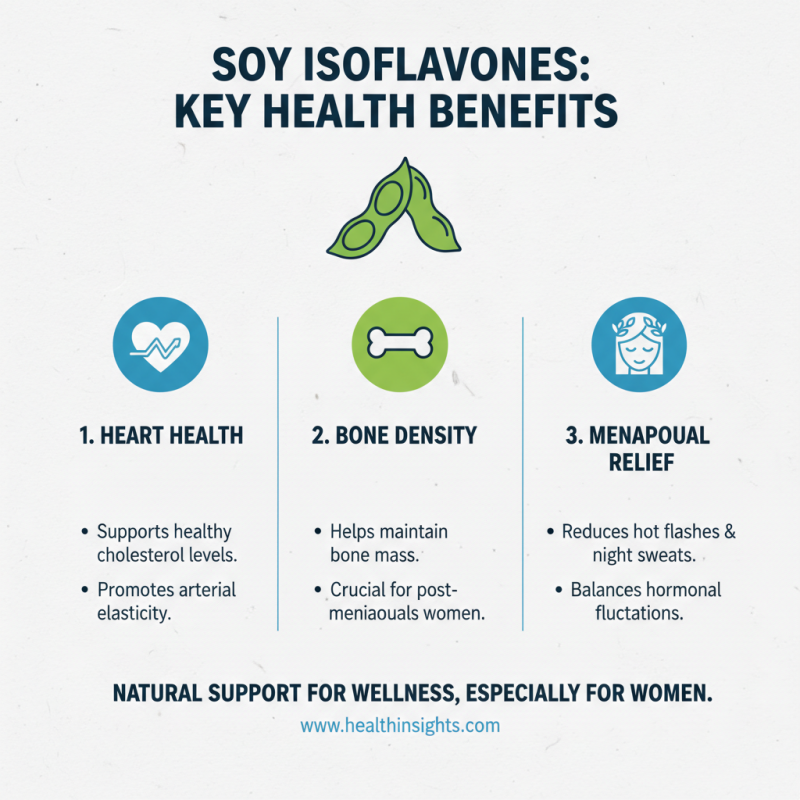
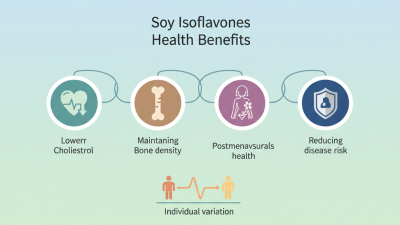
Soy isoflavones are compounds derived from soybeans. They belong to a class of phytoestrogens, mimicking estrogen's effects in the body. Research highlights their benefits in heart health, bone density, and menopausal symptom relief. Regular consumption may lead to improved health outcomes, especially for women.
These compounds positively influence hormonal balance. They can reduce hot flashes and promote well-being during menopause. However, results vary among individuals. Some people might not experience significant changes. It’s essential to approach soy isoflavones with an open mind and realistic expectations.
When considering soy isoflavones, sourcing quality supplements is vital. Look for products that emphasize purity and bioavailability. Reviewing third-party testing can provide additional assurance. Quality matters, as not all products deliver the promised benefits.
Identifying High-Quality Soy Sources for Isoflavones
When sourcing quality soy isoflavones, identifying high-quality soy sources is crucial. Start by examining the growing conditions. Organic soybeans often have lower pesticide levels. The soil quality influences plant nutrition and, consequently, the isoflavone content. It’s essential to verify the cultivation methods used by suppliers. Not all soy is created equal.
Next, check for third-party testing. Certifications from reputable organizations ensure that the product meets safety and quality standards. Look for evidence of consistent isoflavone levels in the products. This demonstrates a reliable source. Transparency in sourcing and manufacturing processes builds trust. Peer reviews and scientific studies can also guide you.
However, not every soy product labeled as high-quality is trustworthy. Some may contain fillers or lower-grade isoflavones. This emphasizes the need for due diligence. Engage with suppliers, ask questions, and be skeptical of overly glossy marketing. It’s essential to investigate potential flaws in sourcing and prioritize genuine quality over appealing packaging.
Evaluating Extraction Methods for Soy Isoflavones
When evaluating extraction methods for soy isoflavones, it's crucial to consider efficiency and purity. Traditional solvents like ethanol and methanol often yield high isoflavone concentrations. However, they may leave behind unwanted residues. Alternative methods like supercritical CO2 extraction can produce cleaner extracts but come with higher costs and complexity.
Temperature and time during extraction play significant roles in the quality of the extracts. Higher temperatures can enhance the release of isoflavones but may degrade sensitive compounds. Conversely, longer extraction times can lead to oxidization. It’s essential to strike a balance that maximizes yield without compromising quality.
While many extraction methods exist, each has its limitations. The choice often comes down to the specific requirements of the final product. Some methods may be more environmentally friendly but less effective. Others might provide rapid results but could be costly. A thorough evaluation of each method's pros and cons is important for sourcing quality soy isoflavones effectively.
Top Tips for Sourcing Quality Soy Isoflavones - Evaluating Extraction Methods for Soy Isoflavones
| Extraction Method |
Yield (%) |
Purity (%) |
Cost per kg |
Advantages |
Disadvantages |
| Ethanol Extraction |
85 |
95 |
$50 |
High yield and purity |
Use of solvents |
| Water Extraction |
65 |
80 |
$30 |
Natural and safe |
Lower yield and purity |
| Hexane Extraction |
78 |
90 |
$45 |
Cost-effective |
Environmental concerns |
| Supercritical CO2 Extraction |
90 |
98 |
$100 |
High purity, no solvent residue |
High cost, technical expertise required |
Assessing Purity and Potency in Soy Isoflavone Products
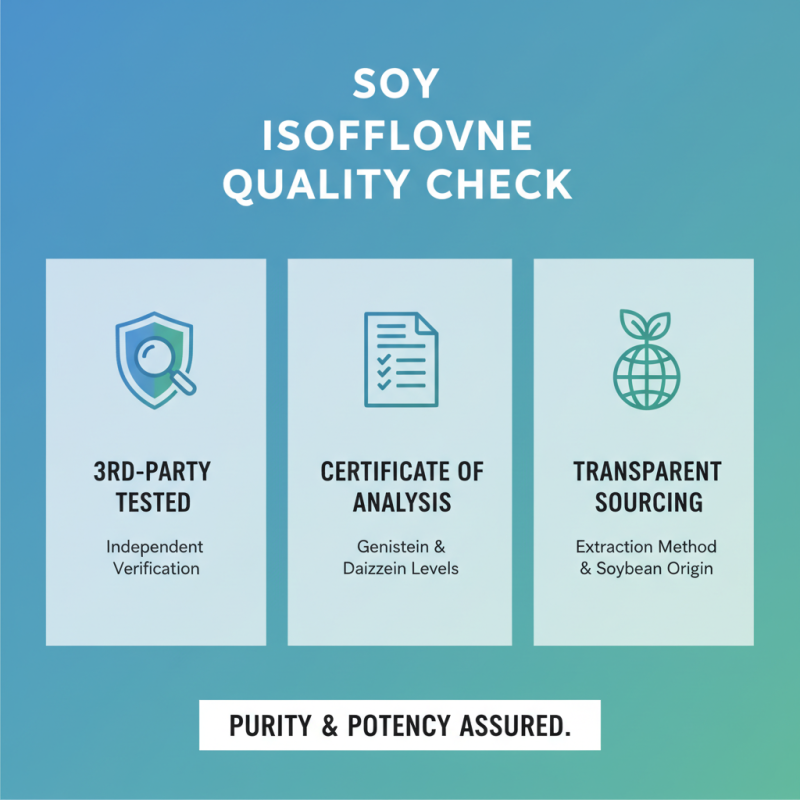
When assessing the purity and potency of soy isoflavone products, it's essential to look for detailed product specifications. Start by checking for third-party testing results. This ensures that the product has been independently verified for its content. Manufacturers should provide certificates of analysis that outline the levels of key compounds, like genistein and daidzein. Transparency in sourcing is also crucial. Reliable suppliers typically disclose their extraction methods and the quality of their soybeans.
Pay attention to the percentage of active ingredients. A product labeled as "high potency" may not always deliver if it lacks a significant concentration of isoflavones. Look for products with at least 40% isoflavone content for effective results. Certification marks, although not foolproof, can indicate higher quality. Be cautious, as some products may claim to be natural but include additives or fillers.
The sourcing of soy isoflavones deserves your reflection. Consider factors like geographic origin and cultivation practices. Non-GMO and organic certifications can enhance reliability. However, these labels alone are not guarantees of purity or efficacy. Continuous learning about different product features is vital in making informed choices. Take time to research and consult experts when necessary to ensure that you're sourcing the best possible soy isoflavones for your needs.
Tips for Sourcing from Trusted Suppliers and Brands
When sourcing quality soy isoflavones, it’s crucial to choose trusted suppliers. Start by researching potential suppliers. Look for those with a proven track record in the industry. Read customer reviews and testimonials. Ensure they provide detailed information about the sourcing process. Transparency is key.
Check for certifications that guarantee quality. Reliable suppliers often hold certifications from recognized organizations. These can indicate adherence to high standards. Don't hesitate to ask for lab test results. Validated testing ensures the product’s purity and efficacy.
Engaging with suppliers can reveal more about their practices. Communicate directly to assess their knowledge. A good supplier should be open to questions. Avoid relying on vague claims or flashy marketing. Quality should always take precedence over price.