Top 10 Benefits of Ferrous Glycinate for Global Buyers?
Ferrous Glycinate is gaining traction in the global health market. This form of iron offers remarkable bioavailability. Studies indicate that it is better absorbed compared to traditional iron supplements. Over 50% of the world's population is at risk of iron deficiency. This creates a significant demand for effective supplements like Ferrous Glycinate.
In recent years, the global ferrous glycinate market has grown substantially. Reports show a projected annual growth rate of 7.5% from 2022 to 2030. Health professionals recommend it for its gentle impact on the digestive system. Users often report fewer gastrointestinal side effects, a common issue with other iron forms.
Ferrous Glycinate has shown effects in improving energy levels and reducing fatigue. However, buyers must be cautious. Quality varies across products. Choosing reputable brands is essential for safety and effectiveness. The potential benefits and emerging demand could shape future health trends in iron supplementation.

Understanding Ferrous Glycinate: Composition and Properties
Ferrous glycinate is a chelated form of iron, recognized for its excellent bioavailability and lower gastrointestinal side effects. This compound contains iron in a form that is easily absorbed, making it ideal for supplementation. Studies indicate that ferrous glycinate is absorbed around 40% more effectively than traditional iron salt forms, such as ferrous sulfate. This is crucial for individuals with iron deficiency, especially pregnant women and athletes, where maintaining optimal iron levels is vital for health.
Research suggests that ferrous glycinate has a unique composition that enhances its stability. It combines iron with glycine, providing a gentle approach to supplementation. A report by the National Institutes of Health highlights that this form of iron can help prevent anemia without the harsh digestive effects of other forms. This means users may experience fewer symptoms like constipation or nausea.
Tip: When selecting iron supplements, it’s essential to consider your iron levels. Consult a healthcare professional for personalized advice. Additionally, be aware that individual absorption rates can vary widely. Some people might experience better results than others with ferrous glycinate, requiring adjustments in dosing or formulation. Keep a log of any changes in energy levels or well-being to discuss with your doctor.
Comparative Analysis: Ferrous Glycinate vs. Other Iron Supplements
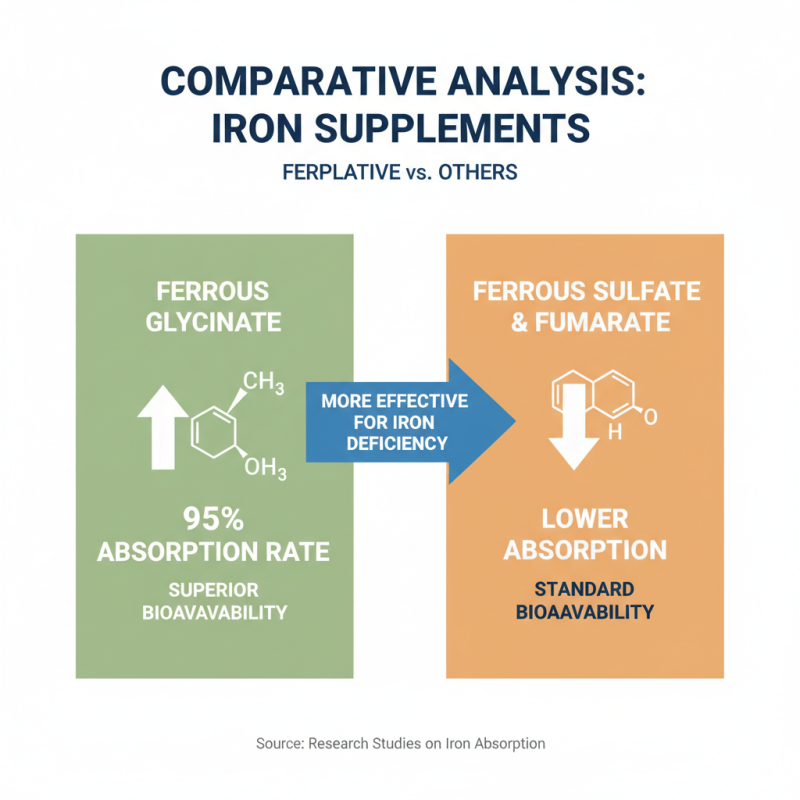
When comparing ferrous glycinate to other iron supplements, the differences become clear. Ferrous glycinate is often touted for its superior bioavailability. Studies show that it is absorbed more effectively than ferrous sulfate and ferrous fumarate, with an absorption rate of about 95%. This can be crucial for those with iron deficiency.
Another key aspect is tolerability. Ferrous glycinate has a lower incidence of gastrointestinal side effects. Research indicates that around 50% of patients report discomfort with traditional iron forms. In contrast, only 10% experience similar issues with glycinate. This makes ferrous glycinate a more appealing choice for long-term use.
However, while ferrous glycinate is beneficial, it might not be suitable for everyone. Some populations could require different forms of iron for specific health reasons. Individual responses can vary widely, and more research is needed. As buyers navigate this landscape, they should consider their unique needs and consult healthcare professionals for tailored advice.
Key Considerations for Global Buyers of Ferrous Glycinate Products
When considering ferrous glycinate products, global buyers should prioritize quality and sourcing. Research from the Global Nutraceuticals Market reveals that the demand for iron supplements has surged significantly, particularly as iron deficiency anemia remains prevalent. It is estimated that around 1.62 billion people globally are affected by this condition, emphasizing the importance of quality iron supplements.
Buyers should ensure that suppliers utilize reputable extraction methods. Quality control processes should be clearly outlined and transparent. Notably, products that are chelated—like ferrous glycinate—offer higher bioavailability. This enhances iron absorption in the body. Research indicates that chelated iron may be better tolerated than traditional iron salts.
**Tips**: Perform due diligence on potential suppliers. Look for certifications that reflect their commitment to safety and quality. Regularly check research reports for updates on iron supplement trends and efficacy.
Another critical consideration is the regulatory landscape across different regions. Compliance with local guidelines on dietary supplements is vital for successful market entry. Some regions may have stricter requirements on labeling and ingredient disclosure. Keeping abreast of these regulations ensures that your products remain competitive and legally compliant in various markets.
**Tips**: Maintain strong connections with regulatory bodies. This will aid in understanding changes in policies that can affect product offerings. Regular training on compliance for your team is also beneficial.
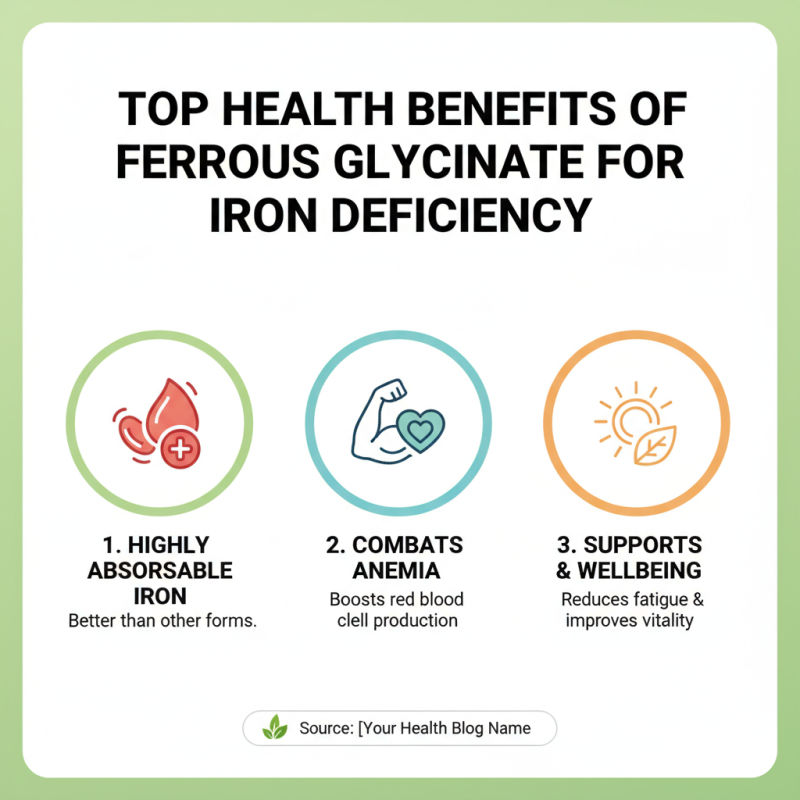
Top 10 Benefits of Ferrous Glycinate
This chart illustrates the top 10 benefits of Ferrous Glycinate, highlighting the importance of this supplement for global buyers.
Market Trends and Demand for Ferrous Glycinate in 2023
In 2023, the demand for ferrous glycinate is on the rise due to various health trends. Many consumers are seeking more effective iron supplements. Ferrous glycinate is known for its high bioavailability compared to traditional iron sources. This makes it a preferred choice among global buyers.
Market trends indicate a growing preference for dietary supplements that are easy on the stomach. Consumers are increasingly aware of the side effects of regular iron supplements. Ferrous glycinate presents a solution with fewer gastrointestinal disturbances. It’s becoming a reliable option for those who suffer from anemia and iron deficiencies.
Significantly, the awareness of iron deficiency is growing in health communities. Educational initiatives are spreading information about the benefits of iron supplementation. Many buyers are also looking for products that align with clean-label trends. The lack of synthetic additives in ferrous glycinate appeals to conscious consumers. However, challenges in sourcing high-quality ingredients remain. Buyers must be diligent in ensuring the products they choose are both effective and safe.