What is Glycinate Zinc Benefits and Uses for Global Buyers?
Glycinate zinc has gained attention in the global market due to its numerous health benefits. Dr. Emily Thomson, a leading expert in nutritional biochemistry, states, "Glycinate zinc is vital for immune function and skin health." This statement highlights the compound’s potential as a dietary supplement.
Glycinate zinc is more easily absorbed than traditional zinc supplements. This characteristic may lead to better outcomes for those looking to improve their wellness. Studies suggest it may help with skin conditions and support immune response. However, discussions around dosage and long-term effects remain essential.
Despite its advantages, consumers should reflect on their specific health needs. Not everyone may experience the same benefits from Glycinate zinc. Engaging with healthcare professionals can provide insights tailored to individual circumstances. A cautious approach is always advisable when integrating new supplements into your routine.

Understanding Glycinate Zinc: Definition and Composition
Glycinate zinc is a chelated form of zinc, where the mineral is bound to glycine. This composition enhances absorption. Unlike zinc oxide, glycinate is gentler on the stomach. A report from the National Institutes of Health highlights that approximately 20% of the global population is at risk of zinc deficiency. Glycinate zinc may help mitigate these issues effectively.
Zinc plays a vital role in immune function, protein synthesis, and cellular division. A study published in the Journal of Nutrition reveals that zinc supplementation can improve immune response in older adults. Glycinate zinc's bioavailability makes it a preferred choice for those needing effective supplementation. It is well-tolerated, with fewer gastrointestinal side effects compared to other forms. However, it’s worth noting that individuals should consult healthcare professionals before starting any new supplement.
While many benefit from glycinate zinc, not everyone reacts similarly. Some individuals may experience adverse reactions. It’s essential to monitor how one feels after taking it. Having access to reliable data aids in assessing the risks versus benefits. The importance of personalized health approaches cannot be overstated in the supplementation journey.
Key Health Benefits of Glycinate Zinc for Individuals
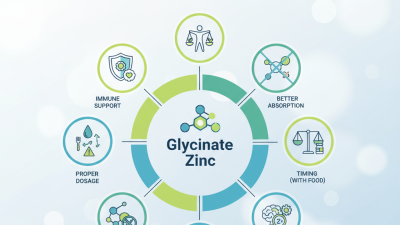
Glycinate zinc is gaining popularity for its health benefits. It is a highly absorbable form of zinc, making it an excellent choice for supplementation. This mineral plays a crucial role in immune function. Many individuals report fewer colds and infections when taking glycinate zinc regularly.
Another key benefit is its support for skin health. Zinc is essential for wound healing and can help manage acne. Some people notice improvements in their skin texture and appearance after using glycinate zinc. Moreover, this form of zinc may enhance cognitive functions as well. Some studies suggest it contributes to better memory and focus.
While glycinate zinc has many benefits, it’s important to consider the proper dosage. Overconsumption can lead to negative effects, such as nausea or headaches. Individuals should consult with healthcare professionals before starting any supplement, especially if they have existing health conditions. In these discussions, it is valuable to share specific health goals and any concerns about zinc supplementation.
Common Uses of Glycinate Zinc in Dietary Supplements
Glycinate zinc is gaining traction in dietary supplements. This mineral chelate absorbs better than traditional zinc forms. Research shows it enhances bioavailability, making it an excellent choice for those needing zinc supplementation.
Common uses of glycinate zinc span various health benefits. It supports immune function, promoting overall well-being. A study highlighted that zinc deficiency affects immune response, potentially increasing infection risk. Proper supplementation can mitigate these risks, particularly among vulnerable populations.
Additionally, glycinate zinc plays a role in skin health. Clinical data suggests it aids in wound healing. Many dermatological products include zinc to combat acne and assist skin rejuvenation. However, not all individuals experience these benefits. Some may find they require higher doses for noticeable effects. Understanding individual needs is crucial for maximizing its potential.
Considerations for Global Buyers: Sourcing and Quality Control
When sourcing glycinate zinc, quality control is critical for global buyers. This compound is known for its high bioavailability and potential health benefits, but not all products are equal. Buyers should prioritize reputable suppliers who provide transparency in their sourcing methods. Verification of the manufacturing processes is essential, as it ensures that the final product meets safety and efficacy standards.
Quality certifications can serve as a benchmark. Look for third-party testing or certifications that validate the product's purity. However, not all manufacturers disclose this information. It may require more effort to identify those who do. A reliable supplier will offer lab test results and detailed ingredient sourcing information.
Buyers might face challenges in understanding quality indicators. Familiarizing oneself with good manufacturing practices can be beneficial. Engaging with suppliers and seeking references is important. It helps build trust and ensures the product aligns with expected standards. Quality matters, especially in dietary supplements, where consumers seek health benefits.
Potential Side Effects and Interactions of Glycinate Zinc
Glycinate zinc, a chelated form of zinc, is noted for its bioavailability. However, it is essential to consider potential side effects and interactions with other substances. Research indicates that high doses of zinc can lead to adverse effects such as nausea, diarrhea, and stomach cramps. Observational studies suggest that long-term intake may affect the absorption of copper, leading to deficiencies. This underscores the importance of balanced supplementation.
Individuals taking medications such as antibiotics should be cautious. Zinc glycinate can interfere with drug absorption. For example, studies have shown that the absorption of tetracycline and fluoroquinolone antibiotics may be reduced when taken with high zinc levels.
Some people may experience allergic reactions to zinc. This includes symptoms like itching and rashes. Consulting with a healthcare professional is vital before starting any supplement, particularly for those with pre-existing health conditions. Monitoring zinc intake is advisable, especially in populations with varying nutritional needs. Using glycinate zinc responsibly can maximize its benefits while minimizing risks.
What is Glycinate Zinc Benefits and Uses for Global Buyers?
| Benefit/Use |
Description |
| Immune Support |
Supports the immune system and aids in the prevention of infections. |
| Wound Healing |
Promotes faster healing of wounds and reduces inflammation. |
| Skin Health |
Improves skin health by reducing acne and promoting clearer skin. |
| Cognitive Function |
May enhance cognitive function and memory retention. |
| Hormone Regulation |
Aids in regulating hormones, including testosterone levels. |
Potential Side Effects and Interactions of Glycinate Zinc
| Side Effect/Interaction |
Description |
| Nausea |
Some individuals may experience nausea after taking zinc supplements. |
| Diarrhea |
Excessive intake may lead to diarrhea and stomach cramps. |
| Headache |
Possible headache as a result of high doses of zinc. |
| Copper Deficiency |
Long-term use may interfere with copper absorption. |
| Interactions with Medications |
May interact with certain antibiotics and diuretics. |