Best Copper Glycinate Benefits for Your Health Needs?
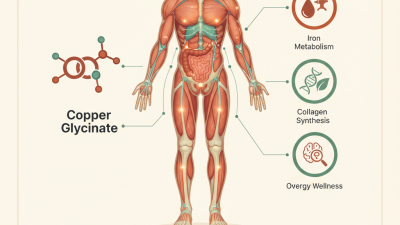
Copper Glycinate is gaining attention for its potential health benefits. This unique compound combines copper with glycine, an amino acid, enhancing absorption. Many people are unaware of how essential copper is for various bodily functions. It plays a vital role in energy production and iron metabolism.
Recent studies suggest that Copper Glycinate could improve bone and joint health. This mineral is crucial for the formation of collagen and connective tissues. Some individuals report experiencing less pain and inflammation when using supplements containing Copper Glycinate. However, it’s vital to approach these claims cautiously and consider individual responses.
For those looking to improve overall well-being, Copper Glycinate might be a valuable addition. But, it’s essential to consult health professionals. They provide guidance tailored to personal health needs. Exploring the benefits of Copper Glycinate requires ongoing research and personal reflection on its effects.

Copper Glycinate Overview and Its Health Significance
Copper Glycinate is gaining attention for its potential health benefits. This compound combines copper with glycine, an amino acid. The body requires copper for various essential functions. It plays a crucial role in energy production and iron absorption. Adequate copper levels can enhance overall health.
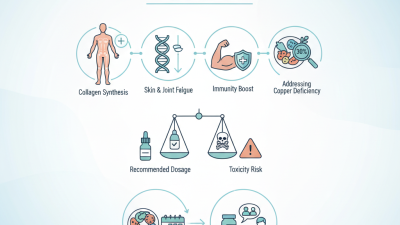
Research indicates that copper may support the immune system. It helps in the formation of red blood cells. Furthermore, copper is involved in collagen production, which is vital for skin health. People often overlook trace minerals like copper, yet they are crucial for maintaining wellness.
Despite its benefits, too much copper can lead to toxicity. Individuals should be cautious and consult with healthcare professionals before supplementing. Monitoring dietary copper intake is also important. Balance is key for health, and copper glycinate can be a useful addition when used appropriately.
Health Benefits of Copper Glycinate
Key Health Benefits of Copper Glycinate for the Body
Copper glycinate offers numerous health benefits that support overall well-being. This form of copper is chelated with glycine, enhancing absorption in the body. Copper is essential for forming red blood cells, maintaining healthy bones, and supporting immune function. It plays a vital role in energy production, assisting in the conversion of nutrients into usable energy.
One notable benefit of copper glycinate is its potential to promote healthy connective tissue. Collagen synthesis relies on adequate copper levels. This means healthy skin, joints, and tissues. Additionally, copper has antioxidant properties that protect cells from free radical damage. This may lead to better skin health and reduce signs of aging.
However, it’s important to consider individual needs. Too much copper can lead to toxicity. Listening to your body is essential. Consulting with a healthcare professional is advisable for proper dosage. Balancing copper intake through diet and supplementation fosters well-rounded health.
Best Copper Glycinate Benefits for Your Health Needs
| Health Benefit |
Description |
Recommended Dosage |
Potential Side Effects |
| Improves Absorption of Iron |
Copper is essential for iron metabolism, helping to prevent anemia. |
2-3 mg per day |
Nausea, vomiting, or stomach upset in high doses. |
| Supports Immune Function |
Copper plays a vital role in the immune system, enhancing the body's ability to fight infections. |
2 mg per day |
Diarrhea and digestive issues in excess. |
| Promotes Healthy Skin |
Copper helps in the formation of collagen, improving skin elasticity and reducing signs of aging. |
1-2 mg per day |
None at recommended doses. |
| May Improve Bone Health |
Copper contributes to bone strength and development by aiding in the formation of connective tissue. |
2 mg per day |
Too much copper can lead to liver damage. |
| Enhances Brain Health |
Copper is involved in neurotransmitter signaling and has been linked to brain function. |
1-2 mg per day |
Headaches or dizziness in excess. |
Mechanisms of Action: How Copper Glycinate Works in the Body
Copper glycinate is gaining attention for its potential health benefits. This chelated form of copper enhances absorption in the body, allowing for optimal utilization. Research indicates that copper plays a critical role in several bodily functions. It is essential for iron metabolism, energy production, and the formation of connective tissues.
The body uses copper glycinate to support the production of red blood cells. This mineral acts as a co-factor for various enzymes, like cytochrome c oxidase, which is vital in cellular respiration. According to a report from the National Institutes of Health, insufficient copper intake can lead to anemia and cardiovascular issues. However, the exact amount needed varies among individuals and can be influenced by dietary habits and health conditions.
Another key mechanism involves copper’s role in antioxidant activity. Copper glycinate may help protect cells from free radical damage. A study published in the American Journal of Clinical Nutrition revealed that adequate copper levels are linked to reduced oxidative stress. Balancing copper intake, however, can be a challenge. Too much copper can lead to toxicity, highlighting the need for mindful supplementation. Individual responses to copper glycinate may vary, requiring ongoing assessment and adjustment.
Potential Side Effects and Considerations for Copper Glycinate Use
Copper glycinate is often praised for its health benefits, but there are potential side effects to consider. Some users might experience gastrointestinal issues, such as nausea or diarrhea. These symptoms are more likely if taken on an empty stomach. Copper can also interfere with the absorption of other minerals, particularly zinc. It’s essential to monitor your intake of these nutrients to maintain a balanced diet.
Allergic reactions are another concern. Though rare, some individuals may develop skin rashes or itching after using copper glycinate. It's crucial to discontinue use and consult a healthcare professional if any adverse effects occur. For those with liver conditions, copper intake should be approached with caution. Consulting a doctor before starting copper glycinate is key, particularly for individuals with specific health conditions.
Recommended Dosage and Best Practices for Copper Glycinate Intake
Copper glycinate is gaining attention for its potential health benefits. Understanding the right dosage is crucial for effectiveness. Generally, an intake of 1-2 mg per day is often suggested for individuals seeking to manage copper levels. This dosage can support bone health and enhance energy levels. However, individual needs may vary significantly.
It’s vital to incorporate copper glycinate properly. Take it with meals to improve absorption. This practice can help minimize potential digestive discomfort. Consulting with a healthcare provider is essential before starting any new supplement. They can provide personalized advice based on your particular health circumstances. It's also important to monitor your body's response and make adjustments as needed.
Users should be cautious, as excessive intake may lead to toxicity. Regularly check for signs of copper overload, such as digestive issues or mood changes. Balancing copper levels requires attention and mindfulness. Each individual’s journey with supplements may not be perfect. Reflection on your body’s reactions is key to ensuring safe and effective use.