Why Choose Copper Glycinate for Your Health Needs?
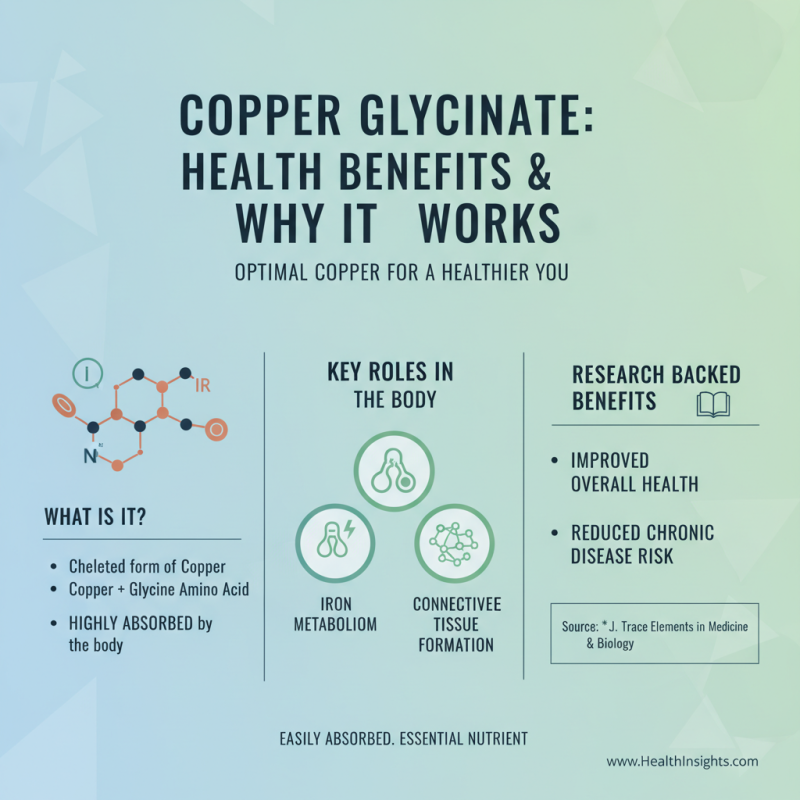
Copper Glycinate is emerging as a vital supplement in health management. Dr. Emily Hart, a renowned expert in nutritional biochemistry, states, “Copper Glycinate is uniquely beneficial due to its high bioavailability.” This form of copper is easily absorbed by the body, making it a superior choice for many.
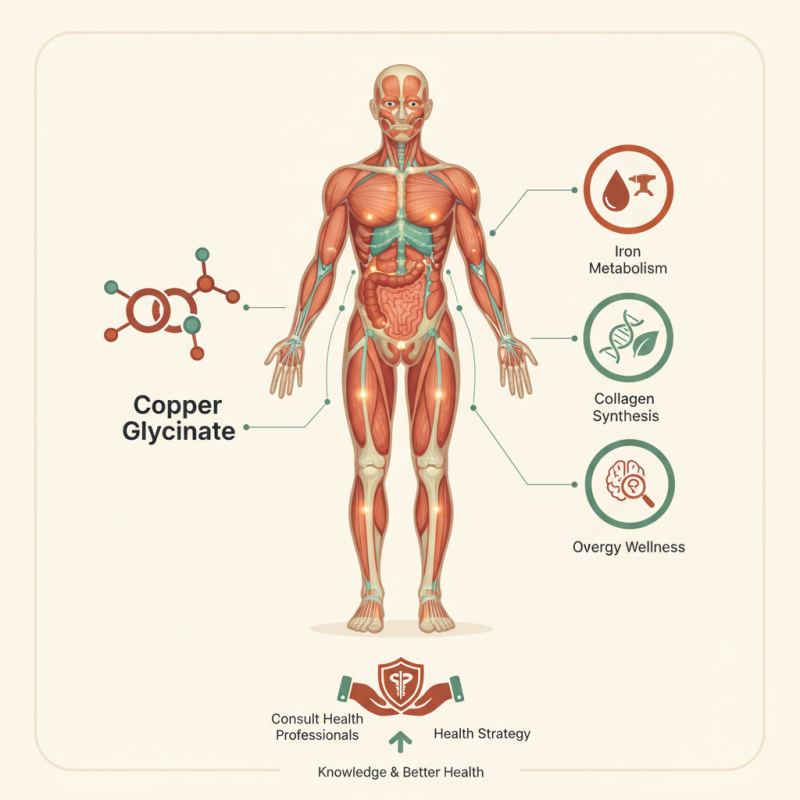
Copper plays a crucial role in various physiological processes. It aids in iron metabolism, collagen synthesis, and energy production. Many people overlook copper’s importance, focusing instead on more commonly discussed minerals. Yet, the right form of copper, like Copper Glycinate, can enhance overall wellness.
Understanding the nuances of minerals can be challenging. Some might question the efficacy of supplements. It is essential to consult health professionals who specialize in these areas. With the right guidance, Copper Glycinate can become an integral part of your health strategy. Investing in knowledge about such supplements is a step toward better health.
Understanding Copper Glycinate: A Comprehensive Overview
Copper glycinate is gaining attention for its potential health benefits. This chelated form of copper is easily absorbed by the body. Research indicates that copper is vital for various biological functions. It plays a significant role in iron metabolism, energy production, and the formation of connective tissues. A study published in the *Journal of Trace Elements in Medicine and Biology* shows that adequate copper levels can improve overall health and reduce the risk of chronic diseases.
Despite its benefits, many people may not realize the importance of copper. According to the National Institutes of Health, adult men and women require 900 micrograms of copper daily. However, many diets are deficient in this essential mineral. Symptoms of deficiency can include anemia, osteoporosis, and cardiovascular issues. Copper glycinate, as a supplement, provides an alternative way to ensure sufficient intake.
Furthermore, the bioavailability of copper glycinate makes it an attractive option. Academic research suggests that this form of copper has a higher absorption rate compared to other forms. This property can enhance its effectiveness in supplementation. However, individuals should consult healthcare professionals before starting any new regimen. Knowledge about potential interactions and appropriate dosages is crucial for safety and effectiveness.
The Role of Copper in Human Health: Essential Benefits Explained
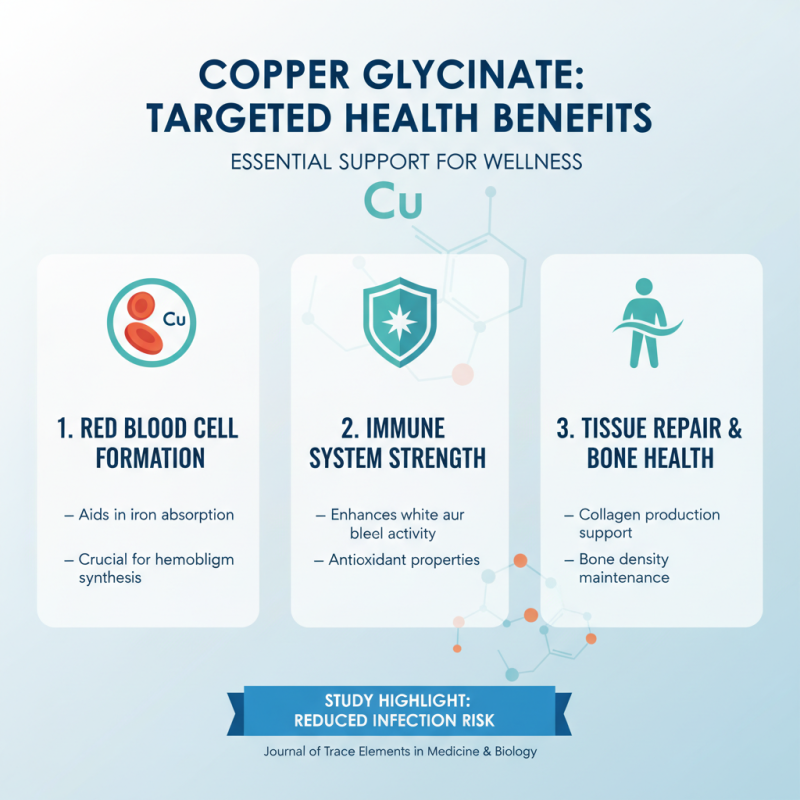
Copper is an essential mineral that plays a crucial role in human health. It aids in the formation of red blood cells and supports immune function. Copper also contributes to collagen synthesis, which is vital for healthy skin and tissues. Interestingly, it helps the body absorb iron, preventing anemia. Many people overlook this essential trace element.
Copper's antioxidant properties are noteworthy. It combats oxidative stress and protects against cell damage. This means healthy aging can be influenced positively by adequate copper intake. However, the right balance is important. Too much copper can lead to toxicity. It's key to find a healthy source, and that's where copper glycinate comes in.
Understanding copper's role is vital for overall well-being. Incorporating copper glycinate into your health routine could enhance your vitality. Despite its benefits, not everyone may feel the effects immediately. Individual health variations play a significant role. It's worth considering how copper, often underestimated, can make a difference in your life.
Advantages of Copper Glycinate over Other Copper Supplements
Copper glycinate stands out among various copper supplements due to its superior bioavailability. Studies indicate that this form allows for easier absorption in the digestive system. According to a report by the National Institutes of Health, only about 25% of copper from typical supplements is effectively absorbed. In contrast, copper glycinate offers a far more efficient solution, with absorption rates potentially exceeding 50%. This unique property makes it particularly appealing for individuals seeking to improve their overall health.
Another key benefit of copper glycinate is its gentle impact on the stomach. Traditional copper supplements can sometimes cause gastrointestinal discomfort. Copper glycinate, however, is chelated, which means it binds with amino acids. This formulation reduces irritation and enhances tolerance, making it suitable for those with sensitive stomachs. A study published in the Journal of Nutritional Biochemistry noted that chelated minerals like copper glycinate generally lead to fewer digestive complaints than their inorganic counterparts.
It's also important to consider that not all copper supplements deliver consistent results. Variations in manufacturing processes can lead to discrepancies in potency. According to a recent review in the Journal of Dietary Supplements, some over-the-counter options may not meet label claims. In this context, copper glycinate provides a reliable choice, as its formulation is backed by rigorous research and quality control measures, ensuring users receive a product that aligns closely with their health needs.
Why Choose Copper Glycinate for Your Health Needs? - Advantages of Copper Glycinate over Other Copper Supplements
| Attribute |
Copper Glycinate |
Other Copper Supplements |
| Bioavailability |
High |
Moderate to Low |
| Gentleness on Stomach |
Very Gentle |
Can Cause Discomfort |
| Absorption Rate |
Superior |
Variable |
| Support for Collagen Production |
Yes |
Not Always |
| Copper Levels Regulation |
Effective |
Less Effective |
How Copper Glycinate Supports Specific Health Conditions
Copper glycinate is gaining attention for its various health benefits. Research shows that copper plays a crucial role in many bodily functions. This essential mineral assists in red blood cell formation and supports the immune system. A study published in the *Journal of Trace Elements in Medicine and Biology* highlights the link between copper deficiency and increased susceptibility to infections.
Moreover, copper glycinate has specific advantages for joint health. According to findings from the *American Journal of Clinical Nutrition*, copper is vital for collagen synthesis. Collagen is a key protein that maintains joint integrity. Patients suffering from arthritis may find relief due to the anti-inflammatory properties of copper. There's potential for copper glycinate to play a role in managing symptoms related to joint disorders.
Additionally, copper glycinate may support cardiovascular health. A report by the *Nutritional Health Journal* indicates that adequate copper levels help maintain healthy arteries. This mineral aids in the synthesis of elastin, a protein important for vascular health. However, it’s essential to consider that too much copper can lead to toxicity. Balancing intake is crucial.
Guidelines for Choosing and Using Copper Glycinate Safely
When considering copper glycinate for health,
safety is paramount. Copper is an essential trace mineral that plays a vital role in various bodily functions.
However, misuse can lead to copper toxicity. Nutritional experts
suggest following recommended daily allowances, typically about 900 micrograms
for adults. This ensures the body receives the benefits without exceeding safe levels.
Before using copper glycinate, individuals should consult with healthcare providers, especially if they have existing
medical conditions. Not everyone can absorb copper equally, which could lead to deficiencies or overloads.
A study published in the "Journal of Nutritional Biochemistry" notes that certain conditions,
like Wilson’s disease, significantly impact copper metabolism.
Choosing the right dosage based on personal health status is crucial.
Storage and usage also matter. Copper glycinate should be stored in a cool, dark place to maintain potency.
Additionally, it is advisable to observe how your body reacts initially. Some might experience digestive discomfort; others may notice improved energy levels.
Regular check-ins with a healthcare professional can provide insight into whether adjustments are necessary.
Engaging in self-reflection about one’s health journey can foster a clearer understanding of the body's responses.