What are the Benefits of Organic Zinc for Global Buyers
In recent years, organic zinc has gained significant attention among global buyers. This mineral, essential for various biological functions, is known for its health benefits. Many consumers seek organic sources due to increasing awareness of dietary choices.
Organic zinc offers advantages over synthetic counterparts. It is better absorbed by the body, leading to enhanced immunity and skin health. This absorption is crucial for individuals seeking natural supplements. Global buyers appreciate products that align with health trends.
The demand for organic zinc reflects a larger shift towards natural products. Yet, with rising demand, it’s vital to consider sourcing and quality. Not all organic zinc is created equal. Reflecting on these nuances can lead to better purchasing decisions. Responsible sourcing ensures sustainability. A mindful approach helps enhance overall health and wellness.
Benefits of Organic Zinc: An Overview for Global Buyers
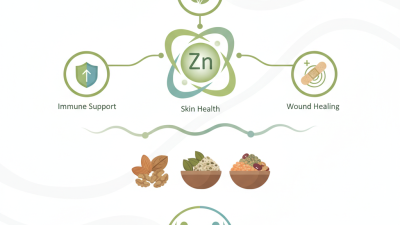
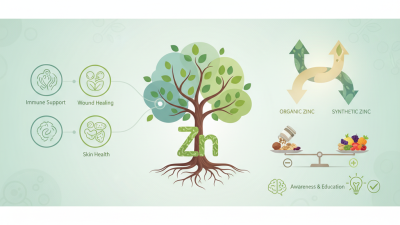
Organic zinc offers a myriad of benefits that appeal to global buyers. It plays a vital role in supporting immune function and promoting skin health. Many people are unaware of zinc's impact on cellular growth and repair. Incorporating organic zinc into daily supplements can enhance overall health and well-being. With rising consumer awareness, organic sources are increasingly in demand.
The absorption of organic zinc is notably better compared to conventional options. This natural form of zinc is easier for the body to utilize. For buyers focused on sustainability, organic zinc aligns with eco-friendly production practices. It presents a more responsible choice for sourcing minerals. However, not all organic products guarantee high quality. Buyers must carefully evaluate sources to ensure reliability.
Although the popularity of organic zinc is growing, challenges remain. Some suppliers may misrepresent their products. Transparency in sourcing and manufacturing is crucial for buyers. It's important to scrutinize certifications and third-party testing. Misunderstandings in nutrient absorption can lead to suboptimal health outcomes. Engaging with knowledgeable suppliers can help mitigate these risks. Trustworthiness is an essential factor in the organic market.
Nutritional Advantages of Organic Zinc for Human Health
Organic zinc is essential for optimal human health, offering numerous nutritional advantages. Studies indicate that zinc plays a crucial role in immune function, cellular metabolism, and wound healing. According to the World Health Organization, zinc deficiency affects around 2 billion people globally, often linked to various health issues. Incorporating organic zinc can support overall wellness, particularly in vulnerable populations.
A 2021 report from the Scientific Advisory Committee on Nutrition highlights organic forms of zinc as more bioavailable. This means they are absorbed more efficiently by the body compared to synthetic alternatives. Enhanced absorption can lead to improved immune response and reduced inflammation. In addition, organic zinc may positively influence cognitive function, as some research suggests a direct link between zinc levels and brain health.
Many people may overlook the importance of mineral sources in their diet. For instance, vegan and vegetarian diets might lack sufficient zinc. As a result, individuals in these groups should consider organic zinc sources to fill this nutritional gap. Making informed dietary choices can foster better health outcomes and overall well-being.
The Role of Organic Zinc in Agricultural Soil Health and Productivity
Organic zinc plays a crucial role in enhancing agricultural soil health. Recent studies indicate that zinc deficiency can reduce crop yields by up to 30%. This nutrient is essential for enzyme functions and plant metabolism. It promotes strong root development, which improves nutrient uptake. Healthy roots lead to better plant growth and increased resistance to diseases.
Soil with organic zinc shows improved microbial activity. Beneficial microbes break down organic matter, releasing nutrients. A 2021 report from the Journal of Soil Science reveals that soils treated with organic zinc have a 25% higher microbial biomass. This increase directly correlates with enhanced soil fertility and productivity. Farmers utilizing organic zinc report healthier plants and improved crop quality.
However, not all soils respond similarly to organic zinc. Soil pH, texture, and existing nutrient levels affect its effectiveness. Some studies suggest traditional zinc fertilizers may still be necessary in specific conditions. Continuous monitoring and soil testing are essential for optimizing zinc usage. Adapting practices based on local conditions can lead to more sustainable farming.
Benefits of Organic Zinc in Agricultural Soil Health
Market Trends: Demand for Organic Zinc in Supplement and Food Industries
The demand for organic zinc has surged in recent years, particularly in the supplement and food industries. Based on market research from various industry reports, the organic zinc market is projected to grow at a compound annual growth rate (CAGR) of over 7% from 2023 to 2030. This growth reflects increasing consumer awareness about the benefits of organic ingredients. As more people seek holistic health solutions, organic zinc stands out as a trusted option.
The shift towards clean labeling in food and dietary supplements is another driving force. Consumers exhibit a preference for products that feature organic certifications. A significant report found that 58% of consumers are willing to pay a premium for organic products, and zinc’s essential role in health boosts its appeal. This trend is particularly noticeable among millennials and health-conscious individuals. They are increasingly seeking reliable sources of nutrients that are free from synthetic additives.
Challenges exist within this growing market. Sourcing high-quality organic zinc can be complex. The variability in production standards and the authenticity of organic claims raises questions. Buyers must navigate these concerns carefully. Transparency in supply chains is crucial for maintaining trust. Many consumers are becoming more discerning about their sources. As the market continues to evolve, maintaining these standards will be vital for long-term success.
What are the Benefits of Organic Zinc for Global Buyers - Market Trends: Demand for Organic Zinc in Supplement and Food Industries
| Market Sector |
Global Demand (Metric Tons) |
Projected Growth Rate (%) |
Major Applications |
| Dietary Supplements |
15,000 |
8.5 |
Immune Support, Skin Health |
| Fortified Foods |
10,000 |
6.2 |
Cereals, Beverages |
| Animal Feed |
12,500 |
7.0 |
Livestock, Poultry |
| Cosmetics |
5,000 |
5.5 |
Skin Care, Hair Products |
Comparative Analysis: Organic Zinc vs. Inorganic Zinc Efficacy and Safety
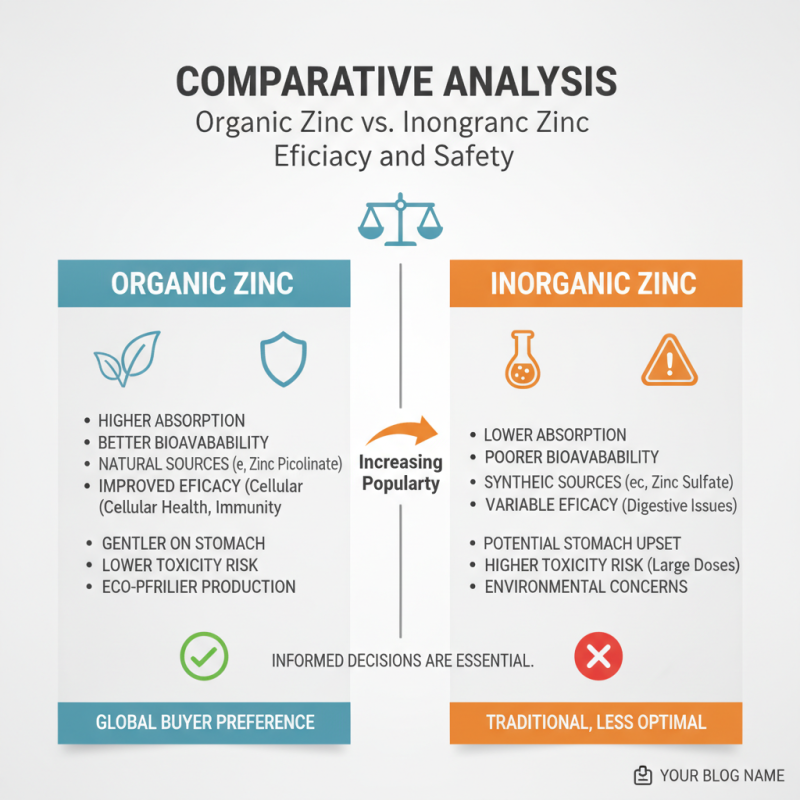
Organic zinc is becoming increasingly popular among global buyers. Its benefits often stand in stark contrast to inorganic zinc. Understanding these differences is essential for informed decisions.
Organic zinc is derived from natural sources, ensuring greater bioavailability. This means it’s more easily absorbed by the body. Many studies highlight its effectiveness in supporting immune function and skin health. Inorganic zinc, by contrast, might lead to side effects and nutritional imbalances. It often requires higher doses to achieve similar results.
Safety is another key consideration. Organic zinc generally has a lower risk of toxicity. However, some consumers question the long-term effects of its absorption. While organic forms may offer advantages, it’s important to consult with a healthcare provider. Each individual’s health status can alter the outcome. Ultimately, understanding both forms of zinc can guide better choices for health and wellbeing.