Why Is Organic Zinc Essential for Optimal Health and Wellness?
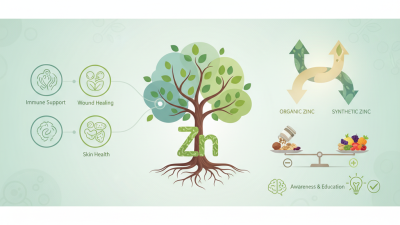
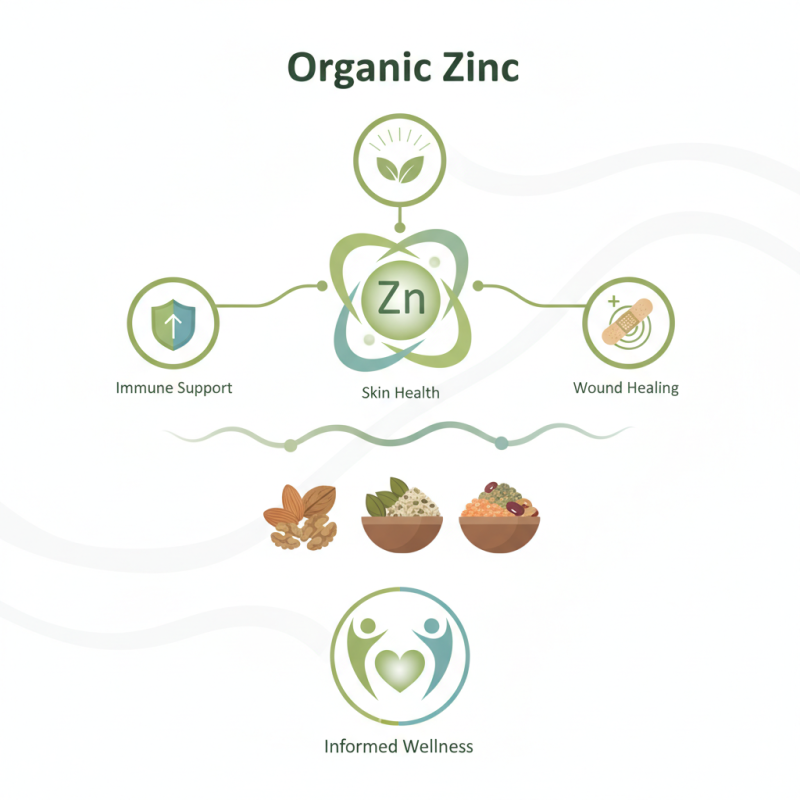
Organic zinc is crucial for maintaining our health and wellness. This essential mineral plays a vital role in numerous bodily functions. It supports immune response, enhances skin health, and aids in wound healing. Many individuals, however, underestimate its significance.
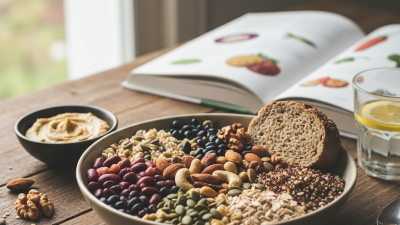
A deficiency in organic zinc can lead to various health issues. For example, it may result in weakened immunity or slower recovery from illnesses. Incorporating organic zinc into your diet can be a game-changer. Foods rich in this mineral, such as nuts, seeds, and legumes, provide natural sources that the body can easily absorb.
Acknowledging the importance of organic zinc prompts reflection on dietary choices. Are we truly mindful of our zinc intake? Making informed decisions about nutrition can lead to improved health outcomes. Prioritizing organic zinc is not just beneficial but essential for overall wellbeing. Understanding its role empowers you to take charge of your health.
What is Organic Zinc and Its Role in Human Health?
Organic zinc plays a crucial role in maintaining human health. It is an essential trace mineral involved in over 300 enzymatic reactions. Research indicates that approximately 17% of the world’s population is zinc deficient. This deficiency can lead to weakened immune systems, cognitive decline, and skin disorders. Zinc is vital for DNA synthesis, cell division, and protein production.
Zinc also aids in wound healing and maintains skin health. According to the National Institutes of Health, a daily intake of 11 mg for men and 8 mg for women is recommended. Foods rich in organic zinc include legumes, seeds, nuts, and whole grains. Taking these foods can help ensure you're meeting your zinc requirements effectively.
Tips: If you’re looking to increase your organic zinc intake, consider incorporating more legumes into your meals. Simple changes, like choosing quinoa over rice, can boost your zinc levels. Remember, a balanced diet is key. Evaluate your current eating habits, and make adjustments where necessary.
The Importance of Zinc in Immune Function and Disease Prevention
Zinc plays a crucial role in immune function. It is a trace mineral that our bodies need in small amounts. Without sufficient zinc, the immune system struggles to operate effectively. This can lead to increased susceptibility to infections and diseases. Research shows that zinc supports the development of immune cells. It aids in signaling pathways crucial for immune responses.
In addition to boosting immunity, zinc is essential for wound healing. It helps maintain skin integrity and structure. Those with low zinc levels often experience delayed healing. Furthermore, adequate zinc intake may reduce the duration of illness. Studies indicate it can lessen the severity of common colds. Yet, many people do not consume enough zinc-rich foods. This oversight can have lasting effects on overall health.
Ensuring a balanced diet is vital. Food sources rich in zinc include legumes, seeds, and whole grains. However, supplements are also an option for those who cannot meet needs through diet alone. Yet, over-supplementation can lead to adverse effects. This highlights the importance of seeking professional advice when considering zinc intake. It is essential to prioritize zinc for optimal immune function and overall wellness.
Sources of Organic Zinc: Natural Food and Supplement Options
Organic zinc plays a vital role in our overall health. It supports immune function, aids in wound healing, and influences hormone levels. However, not everyone gets enough zinc from their diet. This is where understanding natural food sources and supplements becomes essential.
Natural sources of organic zinc include seafood, nuts, seeds, and whole grains. Oysters are particularly rich in zinc, providing more than any other food. For plant-based eaters, pumpkin seeds and chickpeas are excellent alternatives. Research indicates that vegetarians may require up to 50% more zinc than meat-eaters due to lower absorption from plant sources. This disparity illustrates the importance of mindful diet choices.
Tips: Consider incorporating a variety of zinc-rich foods into your meals. A balanced diet can enhance your body's zinc levels. Discussing supplementation with a healthcare professional can provide personalized guidance tailored to your lifestyle. Additionally, cooking methods can affect zinc content. Soaking and sprouting seeds can improve zinc bioavailability. Remember, individual needs vary, and it's essential to stay informed about your dietary choices.
Signs and Symptoms of Zinc Deficiency and Its Health Implications
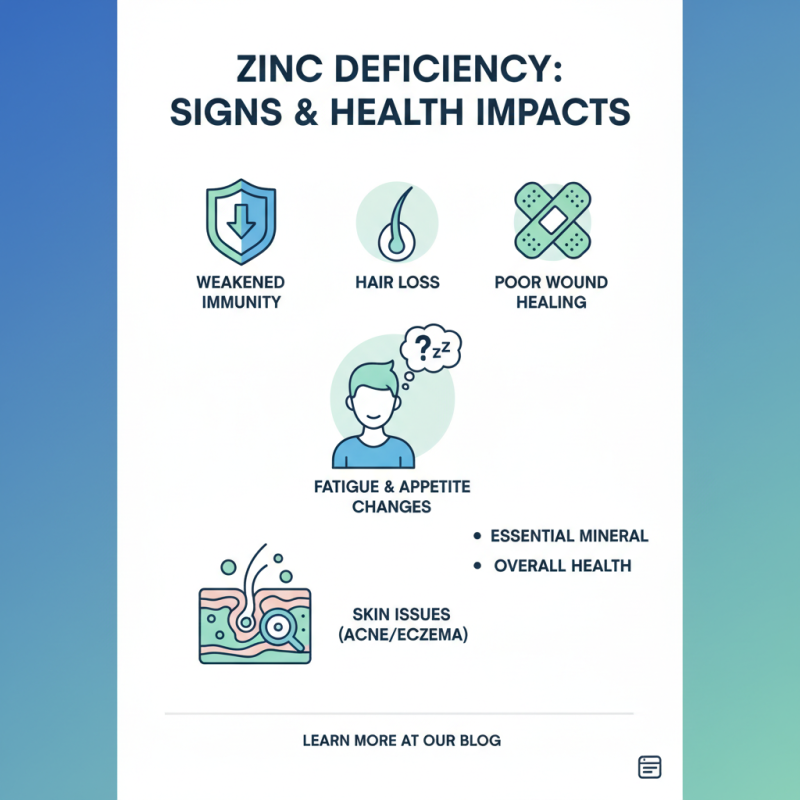
Zinc deficiency can lead to various health issues. Symptoms often include weakened immunity, hair loss, and poor wound healing. Individuals may experience fatigue or changes in appetite. These signs indicate that your body may lack this essential mineral. Inadequate zinc levels can also impact skin health, leading to conditions like acne or eczema.
Tips for addressing zinc deficiency include consuming foods rich in zinc. Options like nuts, seeds, lean meats, and whole grains can be beneficial. Consider incorporating these into your meals regularly. For those experiencing symptoms, a healthcare professional can help assess levels and suggest supplements if needed.
It's important to reflect on dietary habits. Are you eating a balanced diet? Many people overlook the importance of minerals. Ensure you're mindful of nutritional choices to support overall health. Remember, it's not just about quantity but quality when it comes to food.
How to Ensure Sufficient Organic Zinc Intake for Wellness
To maintain optimal health, it’s crucial to ensure sufficient intake of organic zinc. This mineral plays a significant role in various bodily functions, from immune support to skin health. Organic sources of zinc can be found in whole foods rather than supplements. It’s essential to focus on incorporating foods rich in bioavailable zinc.
Consider adding nuts, seeds, legumes, and whole grains to your diet. Oysters are extremely rich in zinc, but they might not be for everyone. If seafood is not appealing, try beans or lentils instead. Many overlook these natural sources, which can also offer fiber and protein. It’s important to recognize that our bodies absorb zinc differently depending on the source.
Cooking methods can also influence zinc availability. For instance, soaking beans and grains can enhance mineral absorption. Be mindful of your cooking practices, as they can make a significant difference. Reflect on your current eating habits. Are you getting enough organic zinc from your diet? Sometimes, a simple dietary tweak could improve your overall wellness significantly.