How to Use Sodium Selenite for Health Benefits and Supplementation Guide
Sodium selenite, a form of the essential trace mineral selenium, has garnered significant attention in the health and wellness community for its potential benefits. As a vital nutrient, selenium plays a crucial role in various physiological processes, including antioxidant defense, immune function, and thyroid hormone metabolism. This guide aims to explore the health advantages associated with sodium selenite supplementation and provide insights into its proper usage.
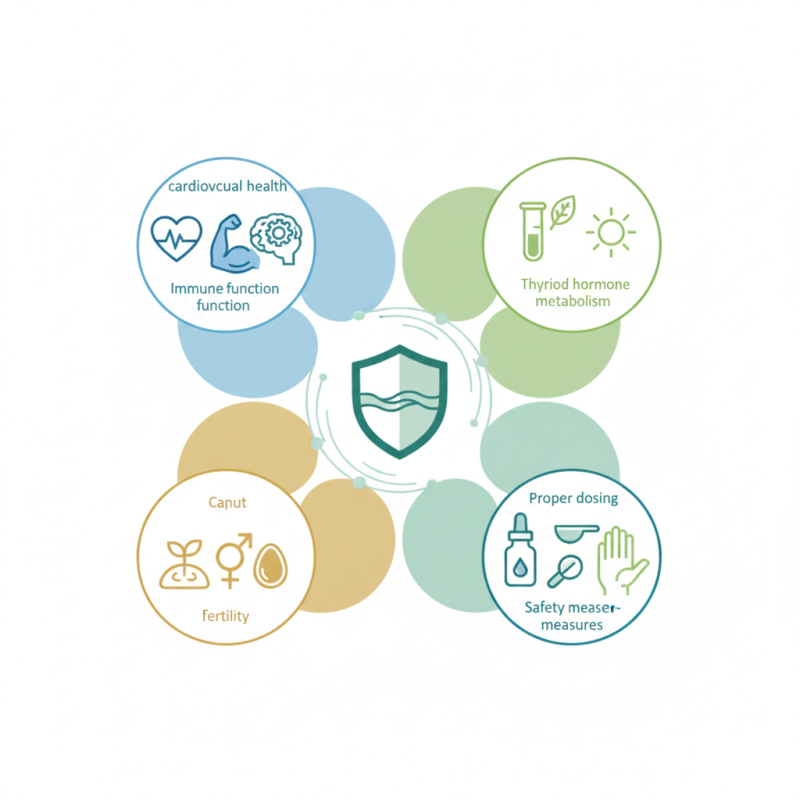
Understanding how sodium selenite works within the body can help individuals harness its benefits while minimizing any potential risks. Research suggests that adequate selenium intake may contribute to improved cardiovascular health, enhance fertility, and even support cognitive function. Moreover, this guide will emphasize the importance of proper dosing and safety measures, ensuring that readers can make informed decisions about their health. Whether you are considering sodium selenite as a dietary supplement or simply looking to enhance your wellness routine, this comprehensive overview will serve as a valuable resource.
Understanding Sodium Selenite: Chemical Properties and Health Relevance
Sodium selenite is an inorganic compound of selenium, notable for its role in human health due to its antioxidant properties. This compound appears as a white or colorless solid and is soluble in water, making it accessible for various applications, including dietary supplementation. As a source of selenium, sodium selenite is critical in supporting numerous physiological functions, such as enhancing immune response, regulating thyroid function, and facilitating fertility. Selenium plays a pivotal role in the production of antioxidant enzymes, which help combat oxidative stress in the body.
The health relevance of sodium selenite extends beyond its basic nutritional contribution; research suggests that adequate selenium intake can significantly reduce the risk of chronic diseases, including certain cancers and cardiovascular disorders. Moreover, its selenium content is essential for maintaining optimum cognitive function and overall longevity. Given its chemical properties, sodium selenite can be effectively incorporated into dietary plans, but it is vital to consider the correct dosages to avoid toxicity. Multivitamin supplements or standalone capsules usually provide safe levels of sodium selenite, thereby ensuring that individuals can reap its health benefits without adverse effects.
Health Benefits of Sodium Selenite
This bar chart illustrates the various health benefits associated with Sodium Selenite supplementation including immune support, antioxidant properties, thyroid function, and its role in preventing certain diseases.
Recommended Dosages of Sodium Selenite for Dietary Supplementation
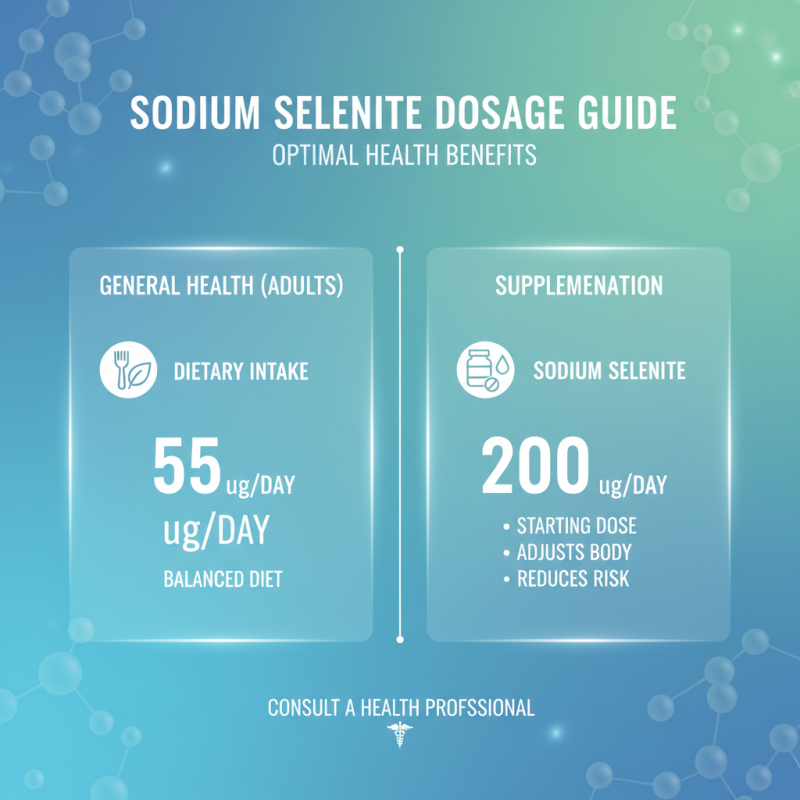
Sodium selenite is a valuable form of selenium that offers various health benefits when used correctly. When considering dietary supplementation, it is essential to determine the recommended dosages to achieve optimal results. For general health, adults typically require about 55 micrograms of selenium per day, which can be obtained through a balanced diet. However, when supplementing with sodium selenite, a common recommendation is to start with a lower dosage, approximately 200 micrograms per day. This initial dosage allows the body to adjust and reduces the risk of potential side effects.
It's important to note that individual requirements may vary based on factors such as age, sex, lifestyle, and overall health. Pregnant or breastfeeding women may need higher doses, often suggested around 60-70 micrograms per day. In certain therapeutic scenarios, healthcare professionals may recommend higher dosages; however, this should always be done under medical supervision. Monitoring for any adverse reactions is crucial, especially when starting supplementation. Regular consultations with a healthcare provider can help tailor the intake of sodium selenite to ensure it aligns with personal health goals while promoting safety and efficacy.
Health Benefits of Sodium Selenite: Evidence from Recent Clinical Studies
Recent clinical studies have increasingly highlighted the health benefits of sodium selenite, a potent form of selenium often used for dietary supplementation. A notable study published in the Journal of Nutritional Biochemistry indicated that sodium selenite can play a significant role in enhancing antioxidant defense mechanisms within the body, potentially reducing oxidative stress. The research found that individuals receiving sodium selenite supplementation showed a marked increase in plasma selenium levels, which is correlated with a lowered risk of chronic diseases, including cardiovascular and certain types of cancer.
Additionally, a systematic review in Nutrients analyzed multiple clinical trials involving sodium selenite and its impact on immune function. Results demonstrated that adequate selenium intake, particularly through sodium selenite, can enhance immune responses, promoting better overall health and resilience against infections. This is especially pertinent considering that selenium deficiency has been linked to increased vulnerability to illnesses, as reported by the World Health Organization. The data reflects that ensuring sufficient selenium levels through appropriate supplementation could be a significant factor in promoting long-term health benefits, especially for populations at risk of deficiencies.
Potential Risks and Side Effects of Sodium Selenite Supplementation
Sodium selenite, a form of selenium, is often used for its potential health benefits, but it is crucial to be aware of the risks and side effects that may accompany its supplementation. Overconsumption of sodium selenite can lead to selenium toxicity, which may manifest as symptoms like nausea, diarrhea, and abdominal pain. In more severe cases, symptoms may escalate to include fatigue, hair loss, and more serious neurological issues. Therefore, it's essential to adhere to recommended dosages and consult healthcare professionals before beginning any supplementation regimen.
Tips for safe supplementation include starting with a lower dose and gradually increasing it based on your body's response. Keep track of any side effects you experience, as individual tolerances can vary. Additionally, ensure that you maintain a balanced diet rich in other essential vitamins and minerals, as this can help mitigate any adverse effects from sodium selenite. Monitoring your overall health and having regular check-ups can also help catch potential issues early, ensuring that your supplementation supports your health rather than harming it.
How to Use Sodium Selenite for Health Benefits and Supplementation Guide
| Health Benefit |
Dosage (mg) |
Potential Risks |
Side Effects |
| Antioxidant Support |
200 mcg |
May cause toxicity at high doses |
Nausea, diarrhea |
| Thyroid Function |
100-200 mcg |
Interference with thyroid hormone levels |
Fatigue, mood changes |
| Immune System Support |
50-200 mcg |
Allergic reactions in sensitive individuals |
Rash, itching |
| Cognitive Function |
100 mcg |
May interact with certain medications |
Headaches, dizziness |
Interactions of Sodium Selenite with Other Nutrients and Medications
Sodium selenite, a form of selenium, plays a crucial role in various biochemical processes in the body, but its interactions with other nutrients and medications can significantly influence health outcomes. One important interaction involves vitamins and minerals, particularly vitamin E and iodine. Vitamin E, a potent antioxidant, can help synergize with sodium selenite to enhance the body's defense against oxidative stress. However, excessive doses of vitamin E may potentially interfere with the absorption and efficacy of sodium selenite, highlighting the importance of maintaining a balanced intake.
Moreover, sodium selenite can also interact with certain medications, such as blood thinners, and anti-inflammatory drugs. Selenium is known to have mild blood-thinning properties, and when taken alongside anticoagulants, it may increase the risk of bleeding. Therefore, individuals on such medications should consult healthcare professionals before incorporating sodium selenite into their regimen. Similarly, sodium selenite has been reported to affect the metabolism of some anti-inflammatory medications, which may alter their effectiveness. Understanding these interactions is essential for maximizing the health benefits of sodium selenite while minimizing potential risks.