How to Use Glycinate Copper for Optimal Health Benefits?
Glycinate copper is gaining attention for its potential health benefits. This essential trace mineral plays a pivotal role in various bodily functions. It is known for supporting collagen production and promoting healthy skin.
Many people are unaware of how glycinate copper can enhance overall well-being. Its absorption properties are particularly noteworthy. Glycinate copper is more bioavailable than other forms. This means the body can use it more efficiently. However, individual responses may vary, and some may need to adjust their intake.
Incorporating glycinate copper into your diet may seem simple, but it requires careful consideration. Optimal results depend on dosage, timing, and individual health conditions. It's essential to reflect on your own nutritional needs before starting any supplement regimen.
Understanding Glycinate Copper: A Brief Overview of Its Benefits
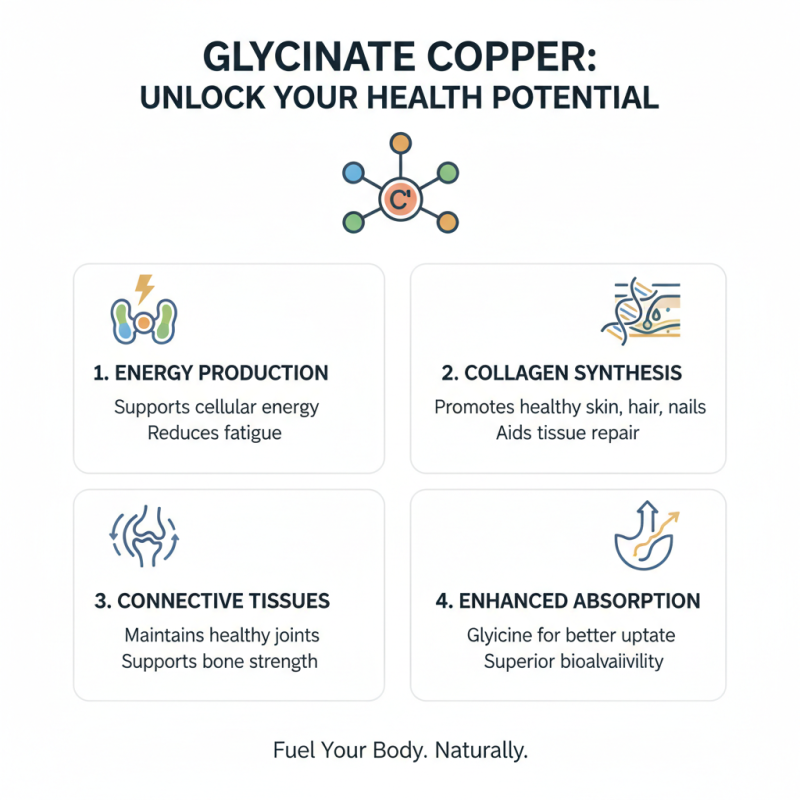
Glycinate copper is gaining attention for its multiple health benefits. It is a trace mineral that plays a vital role in various physiological functions. Copper is crucial for energy production, collagen synthesis, and maintaining healthy connective tissues. When combined with glycine, it enhances absorption and bioavailability in the body.
One of the standout advantages of glycinate copper is its potential antioxidant properties. Antioxidants help combat oxidative stress, which can damage cells. Some studies suggest that glycinate copper may support immune function as well. However, not everyone may experience these benefits. It's important to consider individual health conditions beforehand.
Many people overlook the correct dosage. Higher isn't always better. Too little may not yield results, while too much can cause toxicity. Reflecting on diet quality is essential. A balanced intake of minerals could provide similar benefits without supplementation. Each person's health journey is unique, so it's advisable to consult a healthcare professional.
The Role of Copper in Human Health and Its Importance for Vital Functions
Copper plays a vital role in human health. It is essential for forming red blood cells. This mineral also helps absorb iron effectively. Without enough copper, many bodily functions can falter. For example, the immune system may weaken. This can lead to increased vulnerability to infections.
Copper is involved in energy production. It supports the function of enzymes vital for metabolism. A deficiency might cause fatigue and lethargy. It is also key for collagen production, which is essential for skin and tissue health. Many may not realize the importance of copper, often neglecting their dietary sources.
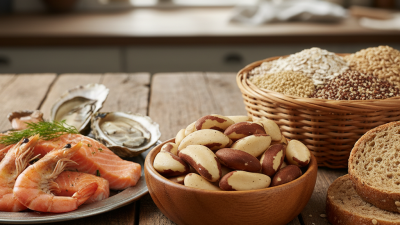
However, achieving the right balance of copper can be tricky. Too much copper can lead to toxicity. Symptoms may include nausea and abdominal pain. Regular intake through a balanced diet is recommended. Foods like nuts, seeds, and whole grains contain essential copper. Yet, over-reliance on supplements could lead to complications. Monitoring intake is crucial for optimal health.
How to Use Glycinate Copper for Optimal Health Benefits?
| Health Benefit |
Copper Role |
Sources of Copper |
Recommended Daily Intake (RDI) |
| Supports Immune Function |
Essential for developing immune response |
Oysters, nuts, seeds |
900 mcg/day |
| Helps in Iron Absorption |
Aids in the transport of iron in the body |
Whole grains, beans, legumes |
900 mcg/day |
| Promotes Healthy Connective Tissue |
Provides support for collagen and elastin formation |
Shellfish, red meat, potatoes |
900 mcg/day |
| Aids in Energy Production |
Vital for cellular respiration and energy metabolism |
Mushrooms, dark chocolate, leafy greens |
900 mcg/day |
How to Incorporate Glycinate Copper into Your Daily Supplement Routine
Incorporating glycinate copper into your daily routine can be straightforward. Start by determining the right dose for your needs. Most people benefit from a small amount daily. It’s often best to take it with food to enhance absorption. Consider starting with a low dose and gradually increase it, listening to your body along the way.
Another way to integrate glycinate copper is through smoothies or yogurt. Simply mix it in for a nutritious boost. This can be a delicious addition to your breakfast. You might also forget to take your supplement some days. This happens to many of us. So, keeping it near your other vitamins can serve as a helpful reminder.
Remember, hydration matters. Drinking enough water enhances the benefits of your supplements. However, monitor how you feel after starting. Some people report mild stomach upset initially. Reflect on your experience. Adjust your intake if necessary. Everyone’s body responds differently. Embrace the learning process as you explore this supplement.
Recommended Dosages and Safety Guidelines for Glycinate Copper Intake
Glycinate copper is a form of copper that is well-absorbed by the body. It's often used for its various health benefits, including supporting cardiovascular health and improving skin quality. However, understanding the recommended dosages and safety guidelines is crucial for effective use.
For adults, a typical dose of glycinate copper can range from 1 to 3 mg per day. This amount is considered safe for most people. It's essential to start with a lower dose to assess tolerance. Some individuals may experience mild digestive issues. Monitoring any side effects is key to ensuring safety.
Pregnant and breastfeeding women should consult a healthcare provider before taking glycinate copper. They may have different needs and potential risks. It's also vital to avoid excessive intake, as too much copper can lead to toxicity. Balance is critical; ensuring adequate zinc levels can help prevent copper overload.
Benefits of Glycinate Copper for Optimal Health
Potential Health Risks and Contraindications of Glycinate Copper Usage
Glycinate copper is gaining attention for its potential health benefits. However, it is essential to consider its risks and contraindications before use. Some individuals might experience adverse effects, such as gastrointestinal discomfort or nausea. Allergic reactions are also possible, leading to rashes or swelling.
Those with pre-existing conditions should exercise caution. Individuals with Wilson's disease need to avoid copper altogether. Pregnant and breastfeeding women may need to consult a healthcare provider before taking glycinate copper. Children are another group that requires careful consideration, as their tolerance can vary significantly.
While glycinate copper can support health, it is not suitable for everyone. Heights of potential benefits can come with risks. Remember to reflect on your unique health situation before incorporating it into your routine. Consulting a healthcare professional is wise for any health supplement.