Inquiry
Form loading...

Top 10 Organic Minerals You Need to Know About?

In the world of nutrition, organic minerals hold a vital place. Expert Dr. Emily Carter states, "Organic minerals are the foundation of a balanced diet." These essential elements come from natural sources and are crucial for our health. They help in various bodily functions, from building bones to supporting the immune system.

Many people overlook the importance of organic minerals in their daily lives. For instance, not all supplements contain these vital nutrients. Issues like soil depletion complicate access to organic minerals through food alone. This lack often leads to deficiencies, impacting overall health. It's alarming how many are unaware of what they are missing.

Exploring the top 10 organic minerals can provide valuable insights for anyone looking to improve their diet. These minerals vary in sources and benefits, making it essential to recognize their significance. Delving into this topic reveals both the wonders and challenges of integrating organic minerals into our routines. There is much to learn, and reflection on our choices is key.
Top 10 Organic Minerals You Need to Know About?

Understanding Organic Minerals: Definition and Importance

Top 10 Organic Minerals You Need to Know About?

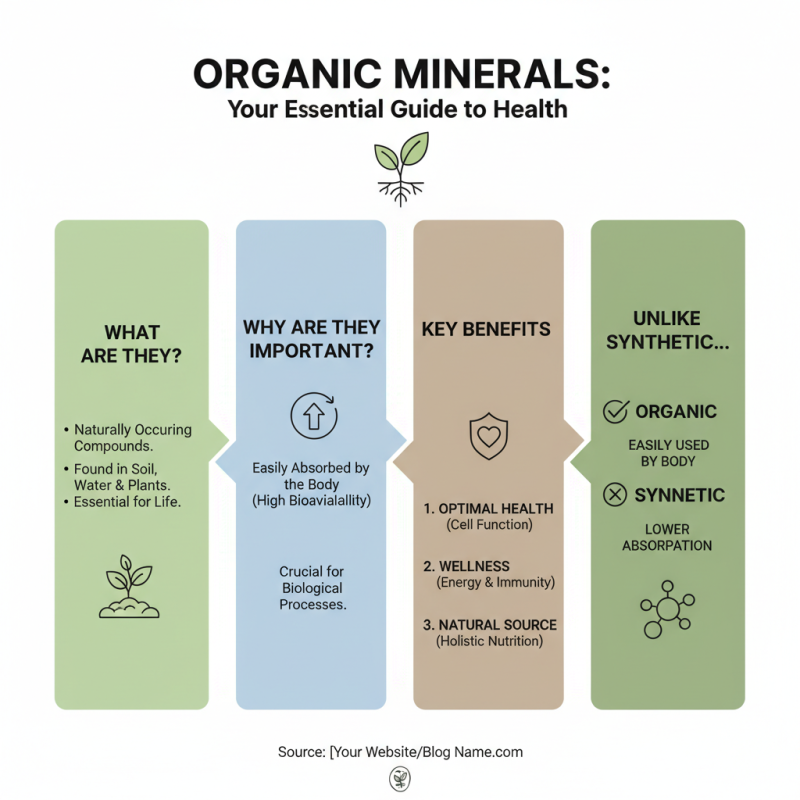
Organic minerals play a crucial role in our health and wellness. These compounds are naturally occurring and essential for life. They are found in soil, water, and plants. Unlike synthetic minerals, organic minerals are easily absorbed by the body. This is vital for various biological processes.

Understanding organic minerals helps us appreciate their importance. They support functions like enzyme activity and cellular health. For example, magnesium aids in muscle function, while zinc supports immune health. However, many people overlook these nutrients. This lack of awareness can lead to deficiencies. In turn, this affects overall health.

Besides, not all minerals are created equal. Some may come from poor sources or may not be bioavailable. It's essential to know where your minerals come from. This understanding can guide better dietary choices. Remember, nature often offers the best solutions, yet we sometimes disregard them. This mindset needs examination.


Key Properties of Organic Minerals in Nature and Nutrition

Top 10 Organic Minerals You Need to Know About?

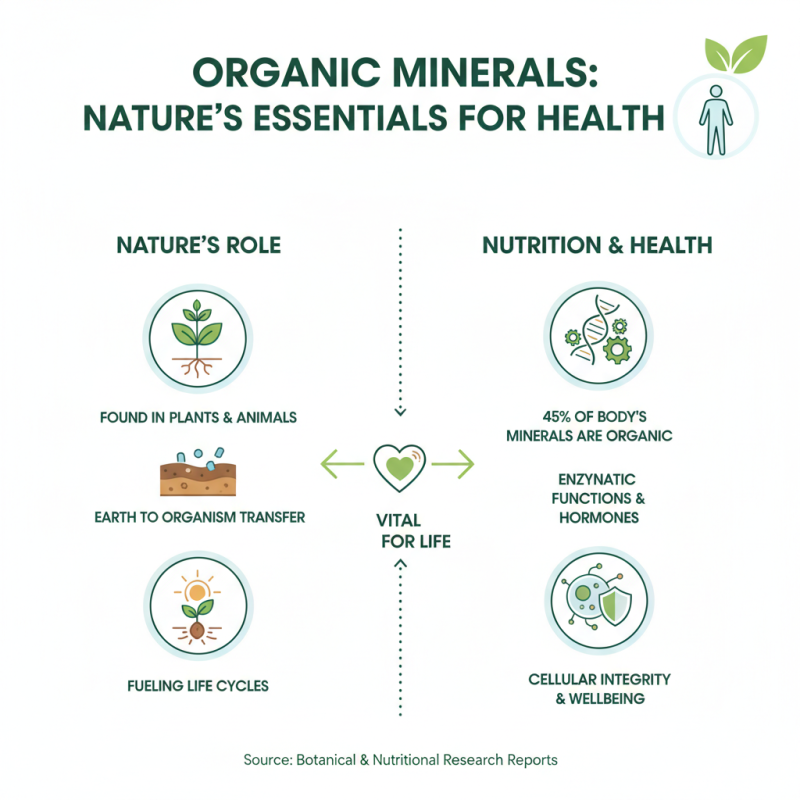
Organic minerals play a vital role in both nature and nutrition. These elements, found in plants and animals, contribute substantially to our health. Reports indicate that about 45% of minerals in our body are organic, emphasizing their importance. They help in enzymatic functions, hormone production, and maintaining overall cellular integrity.

One key aspect of organic minerals is their bioavailability. Plants absorb these minerals from the soil, converting them into a form more accessible to our bodies. For instance, organic forms of magnesium and calcium are more easily absorbed than inorganic ones. This means that incorporating organic mineral sources into your diet can enhance nutrient absorption.

Tip: Select food items like leafy greens and legumes to boost organic mineral intake. They provide essential nutrients while supporting digestive health.

However, not all organic minerals are created equal. Soil health directly affects mineral content. Tillage practices and pesticide use can deplete mineral levels. This is a concern as many modern farming methods compromise soil quality.

Tip: Consider sourcing food from sustainable farms or local markets to ensure higher organic mineral content in your meals. Prioritizing natural sources can lead to better health outcomes.

Top 10 Essential Organic Minerals for Human Health

Essential organic minerals play a crucial role in maintaining human health. They support various bodily functions, from metabolism to bone density. It’s surprising how often people overlook them. Magnesium, for instance, aids muscle and nerve function. A deficiency can lead to cramps and fatigue. Calcium is vital for strong bones and teeth. Yet, many adults don’t consume enough.

Another important mineral is potassium. It helps regulate blood pressure and fluid balance. A lack of potassium can cause weakness. Iron, too, is essential. It is necessary for transporting oxygen in the blood, preventing anemia. Yet, many individuals, especially women, fail to get adequate iron in their diets.

Zinc and copper are often underestimated. They assist in immune function and energy production. Many people might not realize their diets lack these minerals. Instead of focusing solely on vitamins, it’s necessary to consider these organic minerals too. A well-balanced diet, rich in organic sources, might be more challenging than it sounds.

Sources and Dietary Recommendations for Organic Minerals

Organic minerals are essential for maintaining our health. They are derived from natural sources and can benefit our bodies in various ways. These minerals play crucial roles in bone health, metabolism, and overall wellness.

Food sources of organic minerals include fruits, vegetables, nuts, and seeds. Leafy greens like spinach and kale are rich in magnesium, while bananas provide ample potassium. Nuts like almonds are great for getting your daily dose of calcium. Whole grains can also supply multiple trace minerals. However, not everyone consumes enough of these foods daily. It can be a challenge to meet the recommended intake without careful planning.

Dietary recommendations vary based on individual needs. Adults typically require about 1,000 mg of calcium daily. Magnesium needs can range from 310 to 420 mg, depending on age and gender. Rather than relying solely on supplements, aim to incorporate more whole, organic foods into your meals. This approach not only boosts your mineral intake but also enhances overall nutrition. Reflect on your eating habits. Are you getting a variety of these essential minerals? It's worth evaluating.

Top 10 Organic Minerals You Need to Know About

Mineral Sources Dietary Recommendations
Calcium Dairy products, leafy greens, almonds 1000-1300 mg per day depending on age
Iron Red meat, beans, lentils, spinach 8 mg for men, 18 mg for women per day
Magnesium Nuts, seeds, whole grains, green leafy vegetables 310-420 mg per day depending on age and gender
Potassium Bananas, oranges, potatoes, spinach 2500-3400 mg per day depending on age and gender
Zinc Meat, shellfish, legumes, seeds 8-11 mg per day depending on age and gender
Selenium Brazil nuts, seafood, grains 55 mcg per day for adults
Copper Shellfish, seeds, nuts, whole grains 900 mcg per day for adults
Manganese Whole grains, nuts, leafy vegetables 1.8-2.3 mg per day depending on age and gender
Chromium Meat, whole grains, fruits, vegetables 25-35 mcg per day depending on gender
Boron Nuts, fruits, vegetables, legumes No established RDA; adequate intake is suggested

Impact of Organic Minerals on Soil Health and Agriculture

Organic minerals play a crucial role in enhancing soil health and agricultural productivity. Studies indicate that these minerals can improve nutrient availability in the soil. According to a report by the Food and Agriculture Organization (FAO), the use of organic soil amendments boosts crop yields by 20% to 40%. This significant increase can help address food security challenges worldwide.

Moreover, organic minerals contribute to soil structure. Enhanced soil structure ensures better water retention and aeration, benefiting plant growth. Research highlights that 70% of farmers notice improved soil moisture levels when employing organic minerals. This is vital in regions facing drought conditions. However, integrating organic minerals into farming practices requires consistent efforts and education among farmers. Many are still unaware of their benefits.

The challenge lies in the variability of organic mineral sources. Not all organic materials provide the same benefits. Some might not break down efficiently, leading to inconsistent outcomes. Farmers need guidance on best practices for application and monitoring. This reflection on the variability paves the way for more research and better resource management. Ultimately, by understanding organic minerals better, agriculture can become more sustainable.