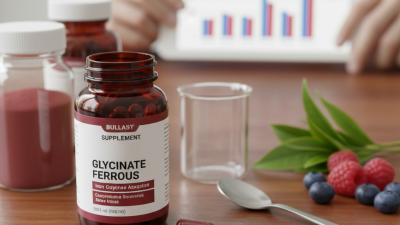
Ferrous bisglycinate
Iron chelate with glycine |
Often specified around 20% for commercial nutritional grades; confirm the actual assay and chelate specification. |
Iron assay; identity; moisture; soluble or unbound iron where specified; lead, arsenic, cadmium, and mercury; microbiological quality for relevant uses. |
Lot-specific certificate of analysis (CoA), test methods, specification, safety data sheet (SDS), and composition statement. |
Chelate composition and assay can vary by grade. Request evidence supporting the claimed chelate identity and the declared iron content. |
Ferrous fumarate
Iron salt of fumaric acid |
About 32.9% for pure anhydrous ferrous fumarate; commercial assay depends on the specification. |
Iron assay; identity; ferrous iron content; loss on drying; residual acidity; elemental impurities. |
CoA with assay basis and methods; applicable pharmacopoeial or food-ingredient specification; allergen and GMO statements where relevant. |
A relatively high iron concentration can support lower ingredient mass per serving. Check color, particle size, and dispersion for the intended product. |
Ferrous gluconate
Iron salt of gluconic acid |
Approximately 12–14% in many commercial grades; the exact value depends on hydration and specification. |
Iron assay; identity; moisture; reducing substances or related purity tests when required; elemental impurities. |
CoA, current specification, test-method references, country-of-origin statement, and applicable food or pharmaceutical compliance documents. |
Confirm grade and hydration state when calculating formulation quantities. Evaluate taste, color, and stability in the finished product. |
Ferrous lactate
Iron salt of lactic acid |
About 18.3% for pure anhydrous material; commercial grades may differ with hydration and purity. |
Iron assay; identity; moisture; oxidation state where specified; elemental impurities and microbiological limits for relevant applications. |
Lot-specific CoA, specification, SDS, and confirmation that the grade is permitted for the intended use and market. |
Check solubility, oxidation behavior, and compatibility with the product matrix; the supplier’s stated assay should define its calculation basis. |
Ferric citrate
Iron–citrate material |
Variable; composition, hydration, and iron-to-citrate ratio affect the assay. Use the lot-specific specification rather than a single theoretical value. |
Iron assay; identity; citrate content or ratio; moisture; soluble impurities; elemental impurities. |
Detailed composition statement and CoA, including assay basis, analytical methods, and intended-use grade. |
Ferric citrate can refer to materials with differing compositions. Confirm the precise grade and regulatory status for the destination market. |
| Quality systems and standards |
Not a form-specific iron percentage. Verify the individual product specification and its release limits. |
Risk-based testing for identity, assay, impurities, contaminants, and microbiology. Confirm laboratory competence and validated methods where appropriate. |
Current GMP or food-safety certifications, audit information, traceability, change-control process, and batch-specific CoAs. ISO 9001 indicates a quality-management system, not product purity by itself. |
Check the applicable national rules and recognized monographs for the product category. Limits and permitted uses differ by jurisdiction; do not assume one certificate establishes global compliance. |