2025 Top Benefits of Organic Copper for Health and Sustainability
In recent years, the spotlight on organic copper has intensified, revealing its numerous advantages for both health and sustainability. As consumers become more conscious of their choices, organic copper stands out as a natural alternative that promises not only to enhance personal well-being but also to contribute to environmental preservation. This form of copper, free from harmful chemicals and synthetics, recognizes the growing trend towards organic solutions in various aspects of life, from food production to personal care.
The benefits of organic copper are manifold, ranging from its role in promoting optimal health through essential bodily functions to its effectiveness in supporting sustainable practices in agriculture and manufacturing. By facilitating the body’s enzymatic reactions, organic copper is vital for processes such as iron metabolism and collagen formation, making it crucial for overall physical health. Additionally, organic copper aligns with eco-friendly initiatives, as its use encourages sustainable farming methods and reduces toxic runoff, ultimately benefiting the planet.
As we delve deeper into the myriad advantages of organic copper, it becomes clear that this natural element is not just a health supplement but a cornerstone of sustainable living. Understanding its impacts can empower individuals to make informed choices that promote both personal health and environmental stewardship.
Benefits of Organic Copper for Human Health
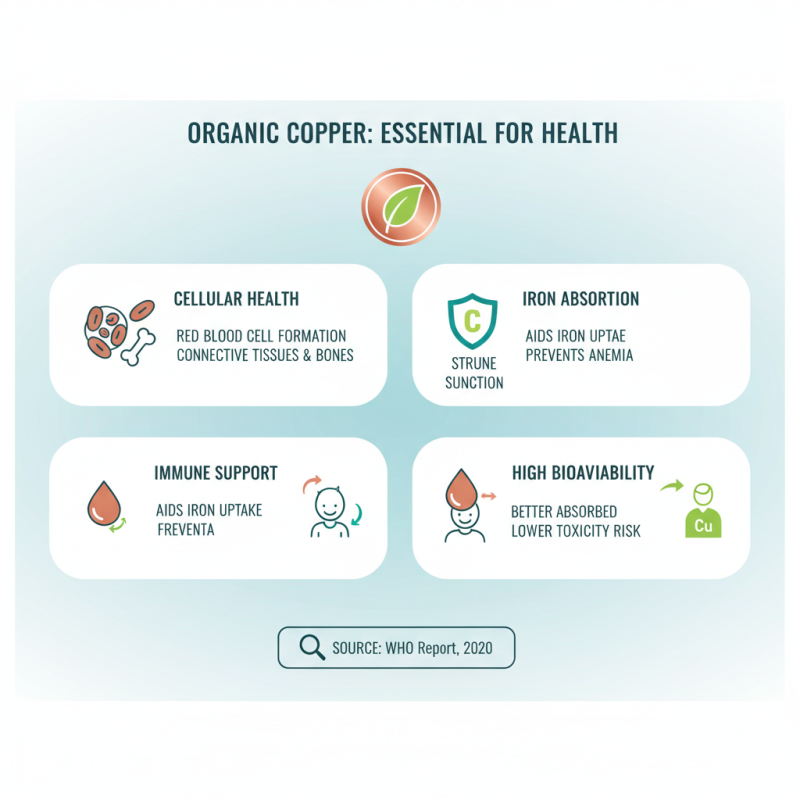
Organic copper plays a crucial role in promoting human health, as evidenced by its essential functions in various physiological processes. A 2020 report from the World Health Organization highlights that copper is vital for the formation of red blood cells, as well as maintaining the integrity of connective tissues and bones. This trace mineral contributes to the proper functioning of the immune system and aids in the absorption of iron, thereby helping to prevent anemia. Research has shown that organic copper sources are more bioavailable than their inorganic counterparts, which enhances their absorption in the body and minimizes potential toxicity associated with excessive intake.
Moreover, the antioxidant properties of organic copper can significantly benefit overall health. According to the National Institutes of Health, copper works synergistically with other antioxidants to combat oxidative stress, which is linked to various chronic diseases, such as cardiovascular conditions and neurodegenerative disorders. The 2021 Journal of Nutritional Biochemistry reports that adequate copper levels support the synthesis of ceruloplasmin, a protein that helps in maintaining iron homeostasis and protects against oxidative injuries. By incorporating organic copper into our diets through natural food sources, we can foster better health outcomes and enhance our body's resilience against disease.
Organic Copper's Role in Nutritional Supplements
Organic copper has gained significant attention in recent years, particularly for its essential role in nutritional supplements. This trace mineral is crucial for various bodily functions, including the formation of red blood cells, maintaining healthy bones, and enhancing immune function. Unlike synthetic forms, organic copper is derived from natural sources, ensuring better absorption and utilization by the body. This bioavailability is essential for optimal health, as it allows the body to effectively leverage copper for vital processes.
When considering organic copper supplements, it's important to remember that balance is key. Too much copper can lead to toxicity, while too little can cause deficiency-related health issues. Incorporating foods rich in organic copper, such as nuts, seeds, and whole grains, can support a balanced intake.
Tips:
1. Always consult with a healthcare professional before starting any new supplement regime to ensure it fits your individual health needs.
2. Look for organic copper sources in multivitamins or supplements that emphasize natural ingredients for enhanced absorption.
3. Maintain a varied diet that naturally includes copper-rich foods to help meet your nutritional requirements.
Environmental Sustainability of Organic Copper Sources
The environmental sustainability of organic copper sources is increasingly recognized as a vital component of sustainable agriculture and industry. Organic copper, derived from natural mineral sources, minimizes the ecological footprint associated with its production and use. Unlike conventional copper, which may involve harmful mining practices and excessive energy consumption, organic copper can be extracted in a manner that promotes soil health and reduces pollution. This sustainable approach not only supports the agricultural ecosystem but also contributes to the preservation of biodiversity by minimizing the disruption of natural habitats.
Tips for sourcing sustainable organic copper include seeking out suppliers who prioritize eco-friendly extraction methods and transparency in their sourcing practices. Consider the life cycle of the product—from raw material sourcing to its final application—to ensure that each step aligns with sustainability principles. Additionally, integrating organic copper into farming practices can enhance nutrient availability in plants, leading to healthier crops and a reduced need for synthetic fertilizers.
Moreover, adopting practices such as crop rotation and organic fertilization can further enhance the benefits of organic copper. These methods not only improve the soil's nutrient profile but also help sustain the environment by promoting a balanced ecosystem. By focusing on these sustainable strategies, we can leverage organic copper effectively while protecting our planet for future generations.
2025 Top Benefits of Organic Copper for Health and Sustainability
Comparative Analysis: Organic Copper vs. Synthetic Alternatives
The exploration of organic copper compared to synthetic alternatives centers around their respective benefits and impacts on health and the environment. Organic copper, often derived from natural processes, is recognized for its bioavailability and minimal toxicity. When ingested, the body can utilize organic copper more effectively, supporting crucial physiological functions such as energy production, collagen formation, and immune system enhancement. In contrast, synthetic copper sources, typically manufactured through chemical processes, can pose risks of accumulation and toxicity, leading to a range of health issues over time.
From a sustainability perspective, organic copper presents a more eco-friendly option. Its production generally involves less harmful chemicals and lower energy consumption, reducing the overall environmental footprint. Additionally, organic copper is often sourced from sustainable practices that prioritize soil health and biodiversity. In comparison, synthetic alternatives may rely heavily on non-renewable resources and contribute to pollution during manufacturing and disposal. As consumers increasingly prioritize health and sustainability, the comparative analysis of these two forms of copper highlights a significant trend towards embracing organic solutions that align with natural ecosystems and promote overall well-being.
2025 Top Benefits of Organic Copper for Health and Sustainability - Comparative Analysis: Organic Copper vs. Synthetic Alternatives
| Benefit |
Organic Copper |
Synthetic Alternatives |
| Bioavailability |
High |
Moderate |
| Environmental Impact |
Low |
High |
| Toxicity Level |
None |
Potentially Toxic |
| Sustainability |
100% |
Variable |
| Cost |
Higher |
Lower |
| Health Benefits |
Numerous (cardiovascular, immune support) |
Limited |
| Shelf Life |
Moderate |
Long |
Future Research Directions on Organic Copper Utilization
As the field of organic copper research advances, future studies should focus on its
multifaceted applications in health and sustainability.
Recent reports, such as the Global Nutraceuticals Market report from 2023,
highlight organic copper as a crucial micronutrient with a growing presence in dietary supplements.
The inherent bioavailability of organic copper sources suggests that they could significantly enhance
nutritional profiles, offering alternative mechanisms to support immune function and metabolic health.
Given that copper is vital for collagen synthesis and cardiovascular health, exploring its organic forms
could open new avenues in preventive health care.
Moreover, as sustainability becomes increasingly relevant in various industries, the role of
organic copper in agriculture merits further investigation.
According to a 2022 report from the International Organic Farming Association,
the demand for organic farming practices has surged by over 20%
in the last five years, with organic copper being recognized for its efficacy as a natural fungicide and pesticide.
Future research should delve into optimizing organic copper formulations to enhance crop yield while
minimizing environmental impacts, thus addressing both food security and ecological sustainability.
Exploring innovative delivery systems for organic copper in soil health could also lead to breakthroughs
in sustainable farming practices.