In the world of agriculture and livestock management, mineral premix products play a crucial role. These products are essential for enhancing the health and productivity of animals and soil. In China, the market offers a diverse array of mineral premix options. However, choosing the right one can be overwhelming.
China's top mineral premix products are tailored to meet specific nutritional requirements. Each product addresses unique needs, whether for livestock or crops. They include essential trace minerals, vitamins, and other nutrients vital for animal growth and crop yield. Yet, not all products are created equal. Some may lack the necessary certifications or proven benefits.
Farmers and producers must educate themselves about mineral premix options. Understanding the specific needs of their animals and crops is key. Reliable sources and expert opinions can provide valuable insights. Making informed decisions can lead to better health outcomes and increased productivity. However, it remains a challenge to navigate the myriad choices available today.
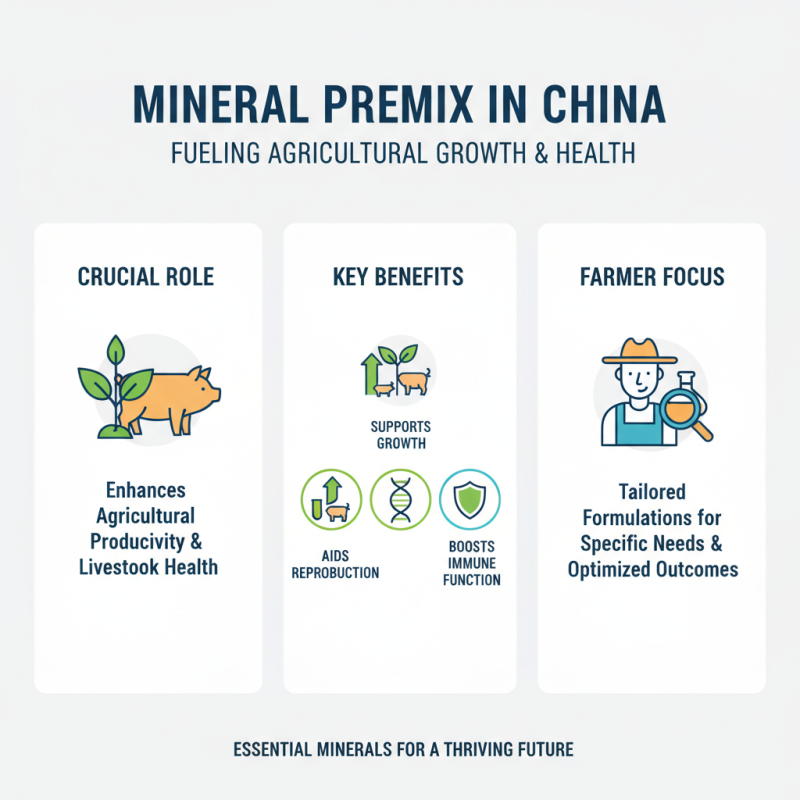
In China, mineral premix products play a crucial role in enhancing agricultural productivity and livestock health. These products contain essential minerals that support growth, reproduction, and immune function in animals and plants. Farmers are increasingly recognizing the importance of tailored mineral formulations for their specific needs.
Tips: Always consult local experts when choosing premix products. They can help identify the best mineral combinations for specific livestock or crops. The right balance can lead to improved yields and healthier animals.
Understanding the local soil and water quality is vital. Variability in mineral content can impact the effectiveness of the premix. Farmers should consider regular soil testing to make informed decisions. This can optimize the use of mineral supplements, ensuring cost-effectiveness while maximizing health benefits.
Sustainability in sourcing minerals is another consideration. Not all sources are created equal. Some may have environmental impacts that can affect long-term agricultural viability. Reflecting on these factors is key for future success in farming practices.

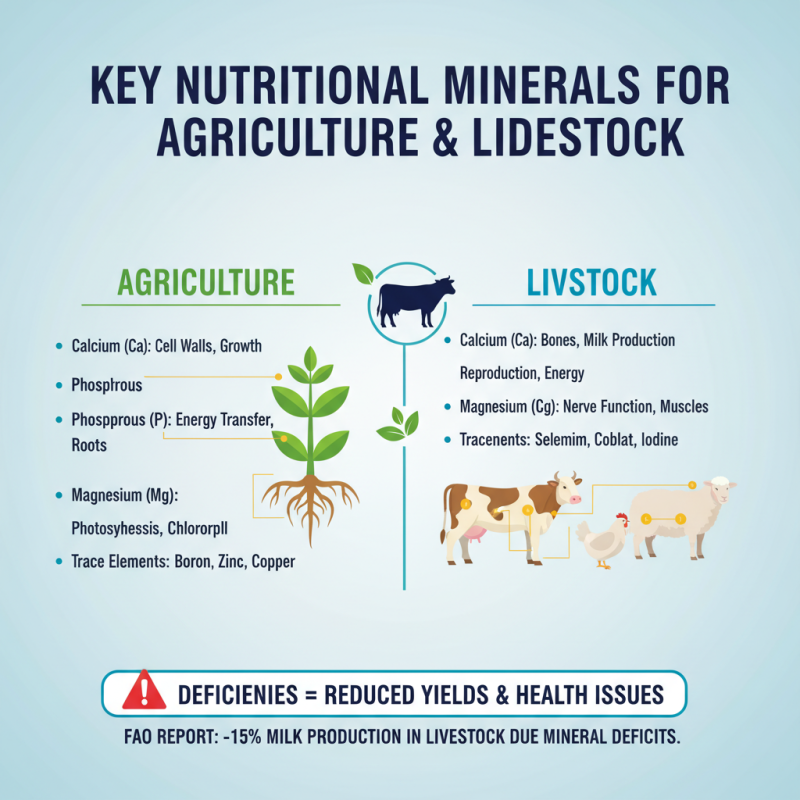
Mineral nutrition plays a crucial role in agriculture and livestock management. Essential minerals such as calcium, phosphorus, magnesium, and trace elements influence growth, production, and overall health. Research shows that mineral deficiencies can lead to significant declines in both crop yields and livestock productivity. For instance, a report from the Food and Agriculture Organization (FAO) highlights that livestock lacking essential minerals can face a 15% reduction in milk production and lower reproductive efficiency.
One important mineral is selenium, known for its antioxidant properties. In some regions, soil selenium levels are deficient. Studies indicate that supplementing selenium in livestock can reduce the incidence of diseases. Likewise, zinc deficiency can lead to impaired growth and weakened immune responses in both plants and animals. A 2020 industry report states that over 20% of livestock health issues could be linked to mineral imbalance.
While mineral premixes are vital, not all products are created equal. Quality and formulation can vary widely. Farmers must analyze their specific soil and livestock needs before choosing a mineral supplement. Some premixes may overlook essential trace minerals, which can create long-term health issues. This gap in awareness can hinder optimal agricultural productivity and animal welfare. Balancing mineral intake requires careful attention and continuous evaluation of livestock health and crop performance.
China's agricultural sector heavily relies on mineral premix products. These mixtures are essential for both crop growth and livestock health. According to a recent industry report, the mineral premix market in China was valued at over $1 billion in 2022, with projections indicating a significant growth rate of 5-7% annually.
Among the top products in this sector, calcium and phosphorus premixes are particularly vital. They contribute to strong bone development in livestock. Iron and zinc premixes are important too, as they help prevent deficiencies that can reduce animal productivity. This is a growing concern, as recent studies show that many farms face nutrient deficiencies that can impact overall yield and health.
However, the market does have challenges. Not all products meet safety standards, raising questions about their reliability. The lack of stringent regulations in certain areas can lead to poor-quality products entering the market. Farmers need to stay informed about these risks while choosing mineral premixes. Understanding the nutritional requirements of crops and livestock is crucial for effective use. With proper selection and application, these products can significantly enhance agricultural productivity.
Mineral premixes play a vital role in improving agricultural productivity and livestock health. These specially formulated blends provide essential nutrients that enhance growth and boost immunity in animals. Incorporating premixes can lead to better feed efficiency and higher yields in crops. Farmers often see significant improvements in animal weight gain and overall vitality after using these products.
The applications of mineral premixes extend across various agricultural sectors. In livestock farming, key minerals such as calcium, phosphorus, and trace elements support skeletal development and reproductive health. For crops, micronutrients like zinc and iron strengthen plant resistance to diseases. However, relying solely on these products can lead to neglecting proper soil management practices. Understanding the balance between mineral supplementation and natural soil health is crucial.
Farmers benefit greatly from tailored mineral premixes that meet specific needs. Custom formulations can address regional deficiencies in soil or water, leading to better results. Yet, it's essential to remain aware of potential overuse. Excessive supplementation can adversely affect animal health and environmental conditions. Monitoring and adjusting the application rates is vital for sustainable farming practices.
| Mineral Premix Product | Key Ingredients | Applications | Benefits |
|---|---|---|---|
| Calcium Premix | Calcium Carbonate, Calcium Phosphate | Dairy Cattle, Poultry | Improved bone health, Enhanced milk production |
| Magnesium Premix | Magnesium Oxide, Magnesium Sulfate | Beef Cattle, Sheep | Prevention of grass tetany, Improved feed utilization |
| Zinc Premix | Zinc Oxide, Zinc Sulfate | Poultry, Swine | Enhanced growth performance, Improved immune response |
| Iron Premix | Ferrous Sulfate, Iron Chelate | Poultry, Cattle | Prevention of anemia, Enhanced growth rates |
| Selenium Premix | Sodium Selenite, Selenomethionine | Livestock, Poultry | Improved fertility, Enhanced metabolic function |
| Manganese Premix | Manganese Oxide, Manganese Sulfate | Poultry, Cattle | Improved reproductive performance, Enhanced growth |
| Copper Premix | Copper Sulfate, Copper Gluconate | Sheep, Goats | Improved wool quality, Enhanced immune function |
| Folic Acid Premix | Folic Acid | Breeding Livestock | Enhanced fetal development, Prevention of defects |
| Vitamin Premix | Vitamins A, D, E, K | All Livestock Types | Overall health maintenance, Improved productivity |
| Phosphorus Premix | Phosphorus Dicalcium Phosphate | Cattle, Swine | Improved energy availability, Enhanced growth rates |
The mineral premix industry in China is poised for significant evolution. Demand for specialized mineral supplements is rising. As farmers become more aware of animal health, the focus shifts to nutritional balance. Innovative formulations tailored to local conditions are becoming common. This shift reflects a growing recognition of the link between minerals and productivity.
Sustainability is another critical factor. Environmentally friendly sourcing and production methods are gaining traction. However, challenges persist in ensuring quality and efficacy. Not all products meet the desired standards. This gap can undermine trust among farmers and producers. Research into new sourcing methods and rigorous testing is essential to address these concerns.
Consumer preferences also influence trends. More farmers seek transparency regarding ingredients and sourcing. Educational resources about the benefits of mineral premixes are increasingly necessary. This pool of knowledge can empower farmers to make better choices. It can also drive innovation in the industry, fostering a culture of continuous improvement and adaptiveness. As the market evolves, industry players must remain attentive to these changing dynamics.