Essential Tips for Understanding Organic Manganese Benefits and Uses
Understanding organic manganese is essential for various health and agricultural applications. This trace mineral plays a crucial role in enzyme function and nutrient absorption. With the right knowledge, individuals can better harness its benefits in their diets and farming practices.
Organic manganese, found in plant-based foods, is more bioavailable than inorganic forms. It contributes to bone health, metabolism, and antioxidant defenses. Knowing how to incorporate it into meals can enhance well-being. Many people may overlook this nutrient due to a lack of awareness.
The uses of organic manganese are diverse and intriguing. In agriculture, it aids plant growth and resilience. However, not everyone recognizes its importance. Reflecting on how we approach nutrition could uncover overlooked opportunities for improvement. Exploring organic manganese benefits may lead to better health choices and enhanced crop yields.
Introduction to Organic Manganese: Definition and Importance
Organic manganese is an essential trace mineral. It plays a key role in various bodily functions. It supports bone health, metabolic processes, and antioxidative defense. Many might not recognize its importance in daily nutrition. Inadequate levels can lead to several health issues. This makes understanding organic manganese crucial for overall well-being.
People often overlook the significance of trace minerals. They might focus solely on macronutrients like fats, proteins, and carbohydrates. However, manganese aids in the formation of connective tissues and bones. It also supports brain function and energy production. Dietary sources include nuts, seeds, leafy greens, and whole grains. Yet, many diets are deficient in this vital mineral.
Caution is essential when considering supplementation. Too much manganese can lead to toxicity, affecting the nervous system. This highlights the need for balanced intake. Assessing your dietary habits can help you determine if you're getting enough. It's important to be aware of your nutrient sources. Reflect on your consumption patterns and consider fortifying your diet mindfully.
Understanding Organic Manganese Benefits and Uses
Health Benefits of Organic Manganese: Overview of Key Advantages
Organic manganese plays a crucial role in maintaining our health. It’s a trace mineral found in foods like nuts, whole grains, and leafy greens. Manganese is vital for bone health, as it contributes to the formation of bone density. Additionally, it supports metabolic processes. This mineral aids in converting nutrients into energy, making it essential for overall vitality.
In the realm of antioxidants, manganese doesn’t back down. It helps fight oxidative stress. This means it can reduce the damage caused by free radicals. People often overlook this aspect. Manganese may also support brain function. Some studies suggest a link between manganese levels and cognitive performance. However, excess intake could lead to complications. Moderation is key, as is reflection on dietary choices.
Integrating organic manganese into your diet can be beneficial. Yet, balance is crucial. Relying solely on one nutrient isn’t wise. A varied diet is healthier. Tune into your body and its needs. Keep learning about the nutrients you consume.
Common Uses of Organic Manganese in Supplements and Industry
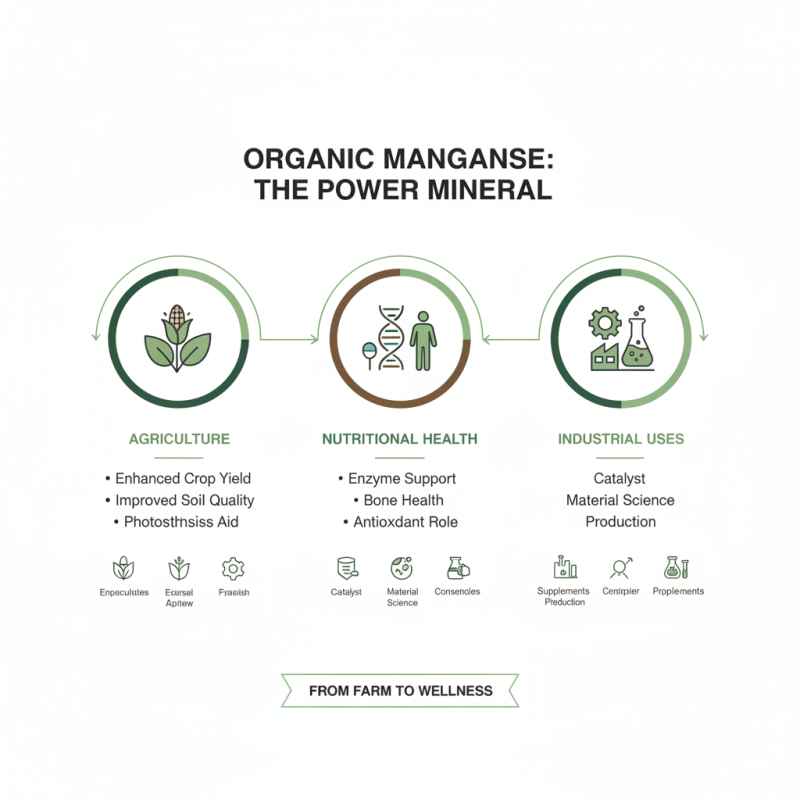
Organic manganese plays a significant role in various industries and supplements. Its uses range from agriculture to nutritional health. In farming, organic manganese helps improve crop yield and quality. It contributes to enzyme functions essential for plant growth. This mineral also aids in photosynthesis. Many farmers rely on organic manganese to enhance soil quality and crop resilience.
In the realm of supplements, organic manganese supports overall health. It is crucial for bone formation and connective tissue health. Some people may need manganese supplements to address deficiencies. While manganese is vital, too much can lead to neuromuscular issues. Understanding the right amounts is key.
Tips for using manganese effectively include consulting a healthcare provider before starting supplements. Ensure you’re addressing specific health needs. Also, incorporate manganese-rich foods like whole grains and nuts into your diet. Balancing your intake is important. Overconsumption may cause health problems, so take caution. Pay attention to your body’s responses. Adjust as necessary to find the right balance for optimal benefits.
Sources of Organic Manganese: Foods and Products Rich in Manganese
Manganese is an essential trace mineral found in various foods. It plays a crucial role in metabolism and bone health. Incorporating manganese-rich foods into your diet can help meet your body’s needs.
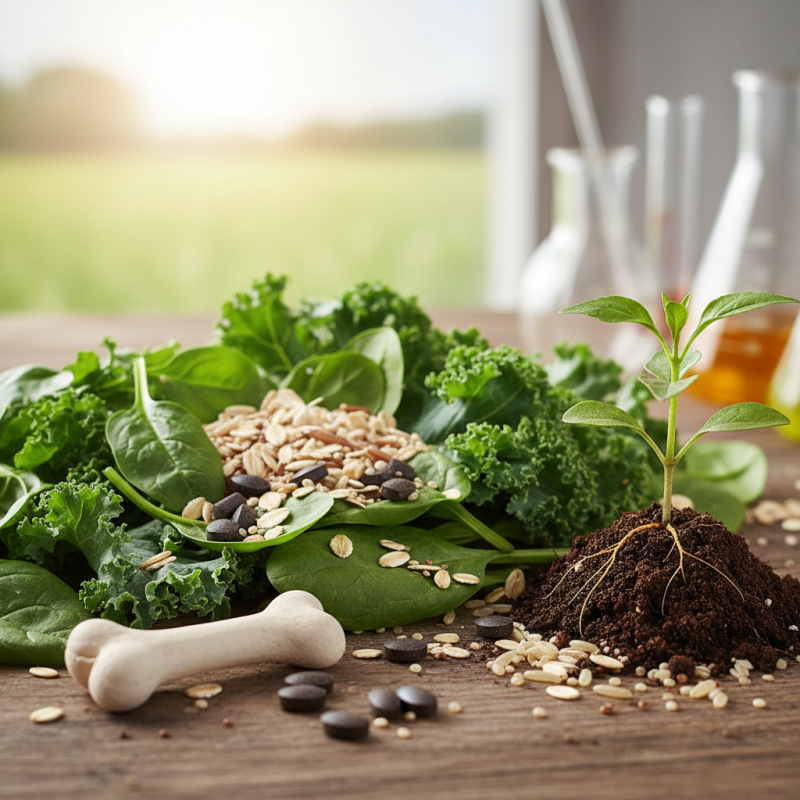
Common sources of organic manganese include whole grains, nuts, and leafy greens. For instance, brown rice and oatmeal provide beneficial amounts.
Spinach and kale are also excellent choices. Some fruits, such as pineapple and blackberries, contain manganese too. These foods not only add flavor but also nutritional value to your meals.
Many people overlook the importance of including these foods in their diets. Some may even skip meals that are rich in manganese. This could lead to deficiencies over time. It’s important to be mindful about your food choices. Exploring different recipes with these ingredients can make a difference. Overall, understanding where to find organic manganese is vital for maintaining optimal health.
Safety and Dosage Considerations for Organic Manganese Consumption
When considering organic manganese, safety and dosage are critical factors. Manganese is essential for various body functions, including metabolism and bone health. However, too much manganese can lead to toxicity. Symptoms may include headaches, dizziness, and even neurological issues. Therefore, awareness of dosage is key.
The recommended daily intake varies. Adults typically need about 2.3 milligrams per day. Pregnant or breastfeeding women may require slightly more. Always consult a health professional before adding supplements to your routine. Not everyone responds the same way. Individual needs can fluctuate based on diet, age, and underlying health conditions.
Choosing the right form of manganese also matters. There are different types of organic manganese available. Some may be better absorbed than others. Keeping a balanced diet rich in whole foods can often provide enough manganese without the need for supplements. Reflecting on your lifestyle choices can help in achieving this.
Essential Tips for Understanding Organic Manganese Benefits and Uses - Safety and Dosage Considerations for Organic Manganese Consumption
| Aspect |
Details |
| Health Benefits |
Supports bone health, improves metabolism, and enhances brain function. |
| Common Uses |
Used in dietary supplements, fertilizers, and as a feed additive in livestock. |
| Recommended Dosage |
Typically ranges from 2 to 5 mg per day for adults, depending on dietary needs. |
| Safety Considerations |
Generally safe in recommended dosages; excess intake may result in toxicity. |
| Contraindications |
Avoid in cases of manganese hypersensitivity or specific neurological conditions. |
| Sources |
Found in whole grains, nuts, leafy vegetables, and tea. |