How to Source Organic Copper for Your Business Needs?
Sourcing organic copper can be challenging yet rewarding for businesses. This essential material holds numerous applications in electrical and plumbing industries. As demand grows, understanding how to source organic copper will help your business thrive.
Quality is crucial. Not all suppliers offer genuine organic copper. Look for trusted vendors with proven expertise in this field. Researching their background and customer reviews can build confidence in their reliability. The right supplier can impact your project’s success.
Navigating the organic copper market may require trial and error. Not every supplier will meet your standards. Some may lack transparency regarding sourcing practices. It’s vital to ask questions and seek certifications to ensure the copper is truly organic. This diligence can pay off in the long run, leading to better products and satisfied customers.
Understanding the Importance of Organic Copper in Today's Industries
Organic copper has become increasingly essential in various industries today. Its significance lies not just in its unique properties, but also in its eco-friendly nature. Many businesses are now seeking sustainable materials to meet their operational needs. The demand for organic copper is growing due to its antibacterial properties and excellent conductivity. Companies using organic copper often report better product performance.
In addition, sourcing this material requires knowledge and understanding of sustainable practices. Trustworthy suppliers are crucial for ensuring quality. Some businesses face challenges in verifying the organic origin of copper. Transparency in the supply chain is vital for building trust. Without proper verification, companies risk compromising their sustainability goals and product integrity.
Engaging with industry experts can provide valuable insights. They can guide businesses in making informed sourcing decisions. However, companies must be cautious of misinformation in the market. Understanding the true value of organic copper helps organizations align their environmental goals with their operational strategies. Sourcing organic copper is not just about acquiring a material; it's about building a sustainable future.
How to Source Organic Copper for Your Business Needs?
| Dimension |
Description |
Importance in Industry |
Sourcing Methods |
| Purity Level |
Refers to the percentage of pure copper in the material. |
High purity copper is critical for electrical conductivity. |
Certified suppliers, lab testing. |
| Environmental Impact |
The sustainability of sourcing methods and resource extraction. |
Organic copper sourcing minimizes ecological damage. |
Renewable sources, recycling. |
| Market Demand |
The current need for organic copper in various applications. |
Increasing demand for green technologies. |
Market analysis, trade fairs. |
| Regulatory Standards |
Guidelines and regulations governing copper sourcing. |
Compliance with regulations ensures market access. |
Certifications, compliance checks. |
| Cost Factors |
Elements that influence the pricing of organic copper. |
Cost-effectiveness impacts profitability. |
Supplier negotiation, bulk purchasing. |
Identifying Reliable Sources for Organic Copper Procurement
Sourcing organic copper for business
requires a strategy to identify reliable suppliers. Start by researching
procurement platforms. These platforms
often vet suppliers based on specific criteria. Look for reviews from other
businesses. Positive feedback indicates reliability.
Focus on suppliers who prioritize sustainability.
Organic copper should come from ethical mining practices. Inquiry about their
sourcing methods is crucial. Transparency in their
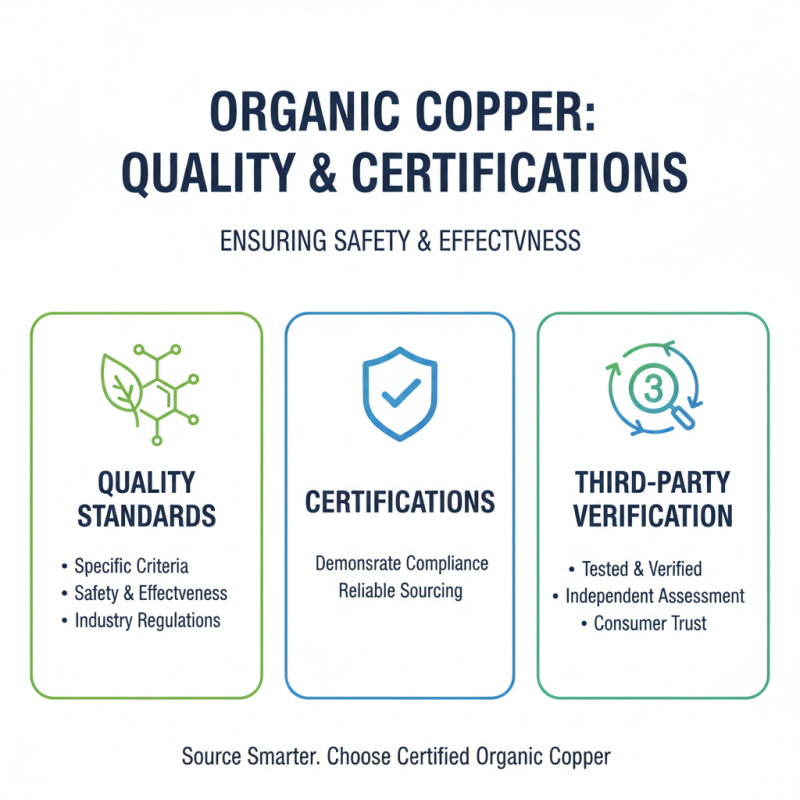
processes builds trust. Also, check for certifications related to organic standards.
Such certifications help validate their claims.
Make use of industry connections. Attend trade shows or conferences related to
organic materials. Networking can lead to valuable insights. Sometimes, smaller
suppliers may lack visibility but offer high-quality products.
Evaluate potential partners diligently to ensure they align with your values and needs.
Analyzing Market Trends and Pricing for Organic Copper Supply
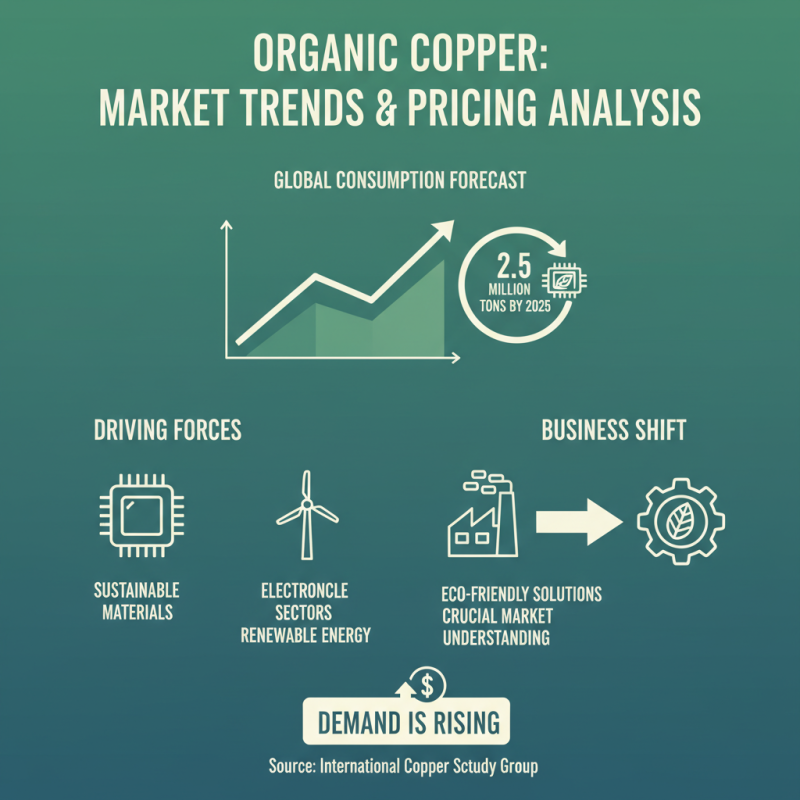
The demand for organic copper has been on the rise. Recent data from the International Copper Study Group indicates that global organic copper consumption could reach 2.5 million tons by 2025. This trend reflects growing industries focused on sustainable materials, especially in electronics and renewable energy sectors. As businesses pivot toward eco-friendly solutions, understanding this market will be crucial.
Pricing for organic copper fluctuates based on supply chain variables and market demands. Current reports show prices varying between $8,000 to $9,500 per ton. Factors impacting this pricing include production costs and regional availability. Keeping an eye on commodity exchanges can provide insights into emerging pricing trends.
Tips: Explore partnership opportunities with local suppliers to ensure consistent quality. Evaluate sustainability certifications for your sourcing choices. Finally, assess market conditions periodically to adapt to changing price dynamics. Remember, willing to rethink and adjust your sourcing strategies can lead to significant savings and enhanced supply chain reliability.
Exploring Sustainable Practices in Organic Copper Production
Sourcing organic copper requires a thoughtful approach to sustainability. Many companies overlook the ecological impact of their materials. Organic copper production emphasizes environmentally friendly methods. These methods often minimize harm to surrounding ecosystems. This commitment is crucial for long-term sustainability.
In the process, sourcing involves cooperation with ethical suppliers. These suppliers embrace responsible mining practices. They prioritize minimal disruption to natural habitats. Additionally, they often highlight energy-efficient processes. Such transparency is invaluable for businesses seeking reliable materials. Choosing suppliers with certifications can enhance credibility.
There are challenges in sourcing organic copper. Not all suppliers meet the same standards. Businesses need to conduct thorough research. Questions arise about traceability and ethical sourcing. It’s essential to ensure materials come from sustainable environments. This not only protects the planet but also enhances a brand's reputation.
Organic Copper Production Trends
This chart illustrates the growing trend in organic copper production over the past five years, showcasing a steady increase in output as sustainable practices gain traction in the industry.