How to Source High Quality Sodium Selenite for Your Business?
Sodium selenite is a vital compound in various industries. Often used in the production of dietary supplements, pharmaceuticals, and agriculture, its quality can significantly impact results. According to a report by Grand View Research, the global sodium selenite market is projected to grow substantially, driven by increasing awareness of selenium's health benefits.
As businesses seek high-quality sodium selenite, sourcing becomes crucial. The purity and origin of the compound can affect both efficacy and safety. Industry experts emphasize the importance of understanding supplier backgrounds. Reports indicate that nearly 30% of low-quality sources could lead to adverse effects. This highlights a pressing need for due diligence when choosing suppliers.
Navigating the sodium selenite market presents challenges, including price fluctuations and varying standards. Ensuring that you partner with reputable manufacturers is essential. The establishment of reliable quality control measures can help mitigate risks. Reflecting on these factors can enhance your sourcing strategy and ultimately lead to better product offerings.
Understanding Sodium Selenite: Properties and Uses in Industry
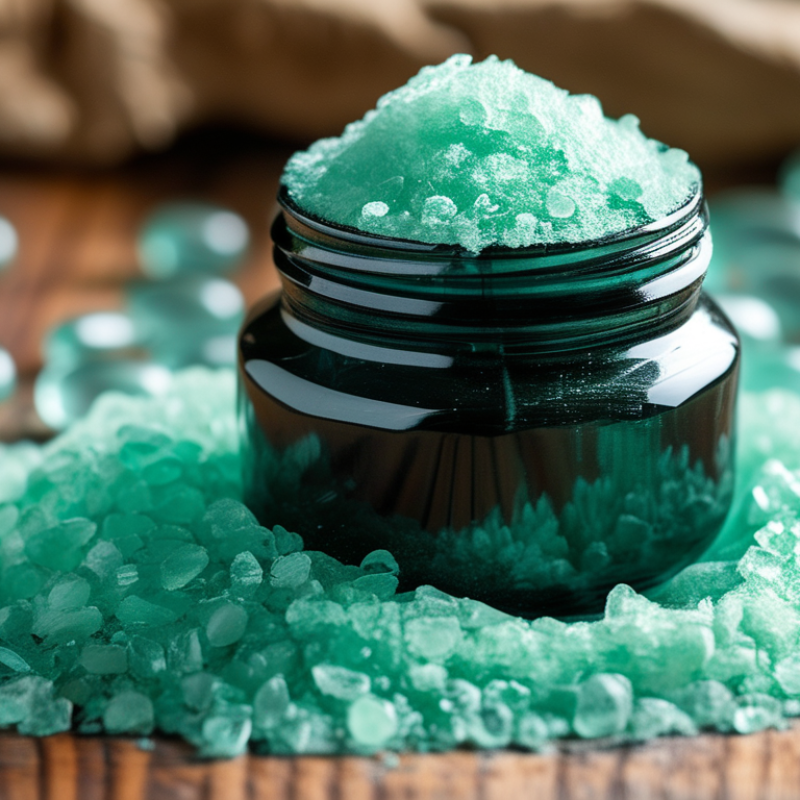
Sodium selenite is an inorganic compound that offers unique properties and numerous applications across various industries. With a molecular formula of Na2SeO3, it is a colorless to white powder. Its solubility in water makes it easy to incorporate into formulations. As a source of selenium, it plays a role in nutritional supplements and animal feed. This mineral is crucial for maintaining health in livestock.
Its industrial usage is expanding in sectors such as agriculture, pharmaceuticals, and electronics. In agriculture, sodium selenite acts as a soil supplement, enhancing crop resilience and productivity. The compound also finds applications in the production of glass and ceramics, where it improves color and durability. However, sourcing high-quality sodium selenite can be challenging. Not all suppliers maintain consistent purity or reliable delivery schedules, which is an issue for businesses.
Quality matters when it comes to sodium selenite. Impurities can affect product performance. Hence, companies must conduct thorough evaluations of potential suppliers. It’s vital to verify certification and quality control measures. Investing time in this process can save companies from costly errors down the line. Reassessing supplier partnerships periodically is also crucial. This reflects a commitment to maintaining industry standards and product integrity.
Identifying Reliable Suppliers of Sodium Selenite
Finding reliable suppliers of sodium selenite can be challenging. Not all manufacturers uphold quality standards. It’s crucial to do thorough research before making a purchase. Look for suppliers with established reputations in the industry. Experience plays a significant role in ensuring product quality.
Verify the supplier's certifications and compliance with safety regulations. This can provide insight into their commitment to quality. Ask for samples to assess the product yourself. Comparing multiple suppliers will help you make informed decisions. Pay attention to customer reviews and testimonials. They can reveal both strengths and weaknesses.
Building strong relationships with suppliers is vital. Open communication can lead to better pricing and service. However, be cautious of suppliers who offer prices that seem too good to be true. It may indicate subpar quality. Assessing the supplier’s production methods can also be insightful. High-quality production often reflects in the final product.
Evaluating Quality Standards for Sodium Selenite Products
Quality standards for sodium selenite are crucial for businesses sourcing this essential compound. Understanding these standards helps ensure that the product meets safety and efficacy criteria. One key aspect is purity. High-quality sodium selenite usually has a purity of 99% or higher. This ensures fewer contaminants affect performance and safety.
Another important factor is the source of the sodium selenite. Manufacturers that adhere to strict quality control measures often provide detailed certificates of analysis. These documents verify the chemical composition and purity levels. Regular testing is essential. It reflects a commitment to consistency and quality.
Additionally, consider the manufacturing process. Companies using advanced techniques usually produce higher-grade sodium selenite. Transparency in production methods signifies reliability. Quality should not be compromised, even during bulk purchases. Investigating these aspects can save future headaches and potential losses. Be wary of unusually low prices; they might indicate inferior quality.
How to Source High Quality Sodium Selenite for Your Business? - Evaluating Quality Standards for Sodium Selenite Products
| Quality Criteria |
Specifications |
Testing Methods |
Acceptable Limits |
Notes |
| Purity |
Minimum 99% Na2SeO3 |
HPLC |
≥ 99% |
Higher purity ensures efficacy |
| Heavy Metals |
As, Pb, Cd |
ICP-MS |
≤ 10 ppm |
Ensure product safety |
| Moisture Content |
Max 5% |
Loss on Drying |
≤ 5% |
Too much moisture can affect stability |
| SiO2 Content |
Max 0.5% |
Gravimetric Method |
≤ 0.5% |
Impurities can affect performance |
| pH Level |
Between 7-8 |
pH Meter |
7 - 8 |
Indicates acidity/basicity |
Best Practices for Procurement and Inventory Management
Effective procurement and inventory management for sodium selenite requires careful planning. Suppliers must be vetted thoroughly to ensure quality. Evaluate their certifications and check for traceability. This can help avoid low-quality products that may impact your business. Regular audits can also reveal inconsistencies in quality.
Inventory management is equally crucial. Maintaining optimal stock levels can prevent shortages or overstock situations. Use a reliable tracking system to manage your inventory effectively. Monitor usage patterns and adjust orders based on demand forecasts. This proactive approach can enhance efficiency and reduce waste.
Engaging with multiple suppliers can lessen reliance on a single source. However, this may complicate logistics. Striking a balance between diversity and manageability in your supply chain is essential. Regular reviews of suppliers and inventory practices can foster continuous improvement. Embrace flexibility to adapt to changing market conditions.
High Quality Sodium Selenite Procurement Analysis
Assessing Cost Factors and Budgeting for Sodium Selenite Sourcing
When sourcing high-quality sodium selenite, budgeting effectively is crucial. The cost of sodium selenite can vary significantly based on purity, quantity, and supplier reputation. Prices may fluctuate due to market demand and availability. Understanding these factors helps you make informed purchasing decisions.
Tips: Consider reaching out to multiple suppliers. Request sample sizes to evaluate quality before committing. This allows you to assess not only the product but also the supplier's reliability.
When setting your budget, consider potential hidden costs, such as shipping and handling fees. These additional expenses can impact your overall costs. Compare quotes from different suppliers, keeping an eye on both price and quality standards.
Tips: Develop a checklist of qualities to assess each supplier. Document your findings for easier comparisons. Being meticulous can help identify the right partner for your sodium selenite needs.