How to Source Cobalt Sulphate for Global Supply Chains?
In today's global supply chains, sourcing cobalt sulphate is essential for various industries. Cobalt sulphate is a critical component in battery production, especially for electric vehicles and renewable energy storage. As demand for these technologies grows, companies must adopt effective strategies to source this key material.
Finding reliable suppliers of cobalt sulphate presents challenges. The market is often influenced by geopolitical factors and fluctuating prices. Businesses need to conduct thorough market research to identify trustworthy sources. Effective communication with suppliers helps establish strong relationships.
Cobalt sulphate sourcing requires an understanding of the supply chain dynamics. Companies should consider local regulations and environmental sustainability. Transparency in practices can enhance a supplier's credibility. Additionally, fostering innovation in sourcing can lead to more resilient supply chains. Furthermore, some companies may face ethical dilemmas in sourcing practices, prompting a need for reflection and improvement.

Understanding Cobalt Sulphate and Its Applications in Supply Chains
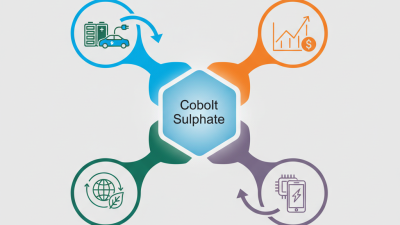
Cobalt sulphate is crucial in many global supply chains. It serves multiple industries, particularly in the production of batteries and catalysts. These applications highlight its importance in electric vehicles and renewable energy technologies. Understanding its properties helps businesses make informed sourcing decisions.
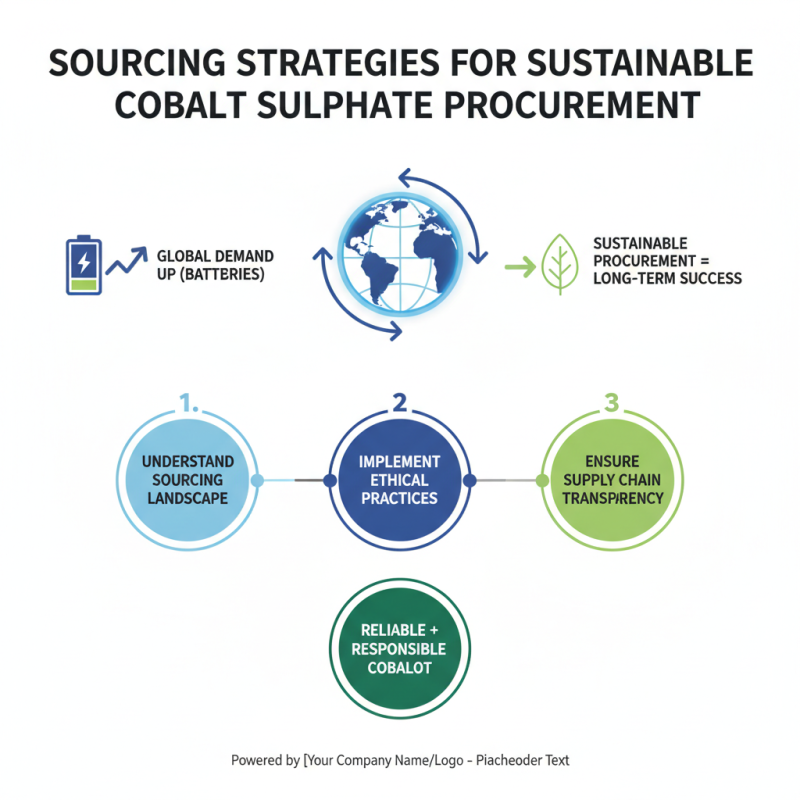
Sourcing cobalt sulphate involves navigating a complex landscape. It’s essential to consider both quality and ethics in procurement. Different suppliers may offer varying grades, affecting overall production. Transparency in supply chains remains a challenge. Companies must remain vigilant about their sources to mitigate risks.
The environmental impact of cobalt extraction also raises concerns. Many industries are now focusing on sustainable sourcing. This encourages collaboration among stakeholders. Every player in the supply chain has a role to play. Striving for more responsible sourcing practices is vital for long-term success.
Key Global Markets for Cobalt Sulphate Sourcing
Cobalt sulphate plays a crucial role in various industries, especially in battery production. The demand for cobalt sulphate has surged, primarily driven by the electric vehicle (EV) boom. According to a recent report from the International Energy Agency, global EV sales are expected to reach 14 million units by 2025, significantly increasing the demand for cobalt-based materials.
Key markets for sourcing cobalt sulphate include Australia, the Democratic Republic of the Congo (DRC), and Canada. The DRC alone supplies over 70% of the world’s cobalt, making it a vital region. Companies seeking reliable sources should consider the geopolitical stability of these areas. Disruptions can often affect supply chains.
For businesses sourcing cobalt sulphate, here are some tips:
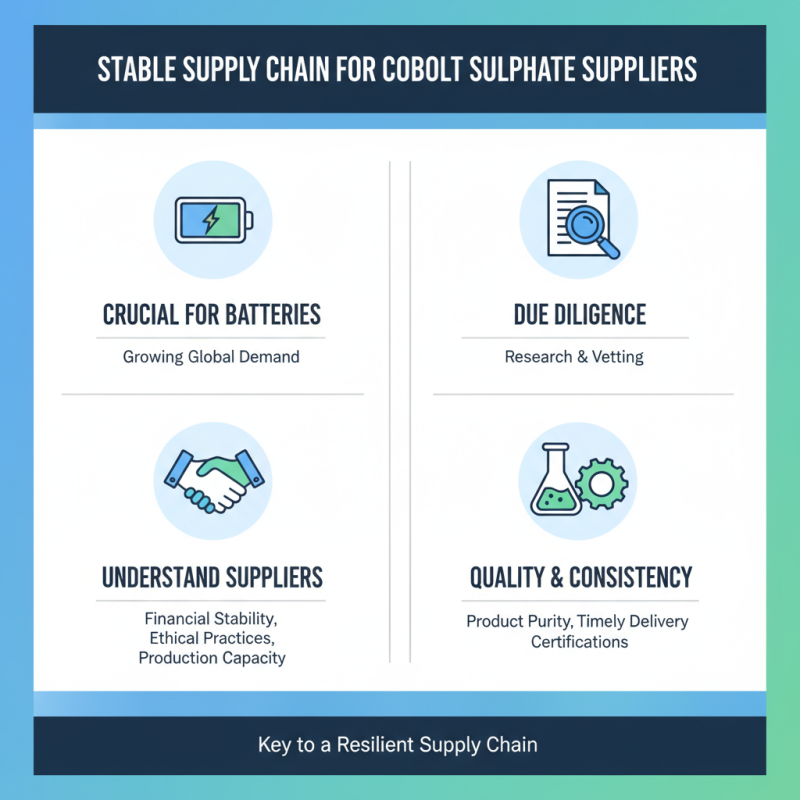
1. **Conduct thorough due diligence.** Understand the local mining laws and environmental regulations. This will help avoid future legal issues.
2. **Build strong relationships with suppliers.** Trustworthy partners can ensure consistent quality and supply. Communication is key in maintaining these relationships.
3. **Stay updated on market trends.** Reports by industry bodies like the World Bank can provide insights into price fluctuations and potential shortages.
It’s essential to reflect on the challenges ahead. While the market grows, environmental and ethical sourcing concerns are increasingly scrutinized. Companies must navigate these complexities.
How to Source Cobalt Sulphate for Global Supply Chains? - Key Global Markets for Cobalt Sulphate Sourcing
| Region |
Cobalt Sulphate Production (MT/year) |
Major Applications |
Import/Export Status |
Key Suppliers |
| North America |
15,000 |
Batteries, Electronics |
Import Heavy |
Domestic processing plants |
| Europe |
12,000 |
Batteries, Aerospace |
Balanced Trade |
Local refiners |
| Asia-Pacific |
25,000 |
Automotive, Industrial |
Export Heavy |
Asian manufacturers |
| Africa |
30,000 |
Mining, Chemicals |
Export Dominant |
Local mines |
| South America |
8,000 |
Electronics, Metal alloys |
Import/Export |
Regional suppliers |
Regulatory Considerations in Cobalt Sulphate Trade
Navigating the landscape of cobalt sulphate trade demands a keen understanding of regulatory considerations. Various international and national regulations shape how cobalt is sourced and distributed. Compliance with these regulations is critical to maintaining a legitimate supply chain. Each country may have differing requirements for documentation and safety standards, influencing how cobalt sulphate can be sourced.
Furthermore, environmental regulations are becoming increasingly important. Suppliers must be aware of the environmental impact of cobalt extraction. Sustainable sourcing practices are not merely an option; they are becoming a necessity in global trade. Many companies now actively seek suppliers that adhere to strict environmental guidelines. This shift reflects a growing awareness of social responsibility in the supply chain.
Monitoring trade regulations requires constant attention. Changes in trade policies can arise abruptly, affecting sourcing strategies. Businesses may struggle to keep up, risking non-compliance. Establishing a reliable network of advisors and legal experts can aid in navigating these complexities. However, even the best-laid plans can face unexpected hurdles. Maintaining flexibility and adaptability is essential for success in the cobalt sulphate market.
Global Supply Chain of Cobalt Sulphate: Trade Volume from Major Regions (2022)