How to Source Iron Amino Acid Complex for Global Buyers?
The global demand for iron amino acid complex is steadily increasing. According to a recent market report by Research and Markets, the iron amino acid complex market is projected to grow at a CAGR of 6.8% from 2023 to 2028. This growth is driven by the rising awareness of the health benefits associated with iron supplements. Experts highlight the importance of sourcing high-quality complexes. Dr. Evelyn Johnson, a noted nutritionist, stated, "Quality in sourcing iron amino acid complexes cannot be overlooked; it directly impacts efficacy."
Sourcing iron amino acid complex requires diligence and expertise. Global buyers face challenges in finding reliable suppliers. Factors such as purity, bioavailability, and production standards are crucial. A lack of transparency in sourcing can lead to subpar products, which ultimately affects consumer health.
Reflecting on sourcing challenges, buyers must be wary of unverified claims. Many suppliers promise high-quality products but may not deliver. Therefore, establishing trustworthy partnerships is essential. The future in this sector relies heavily on informed sourcing decisions. As the industry evolves, the need for thorough research and expert consultation cannot be overstated.
Understanding Iron Amino Acid Complex and Its Benefits
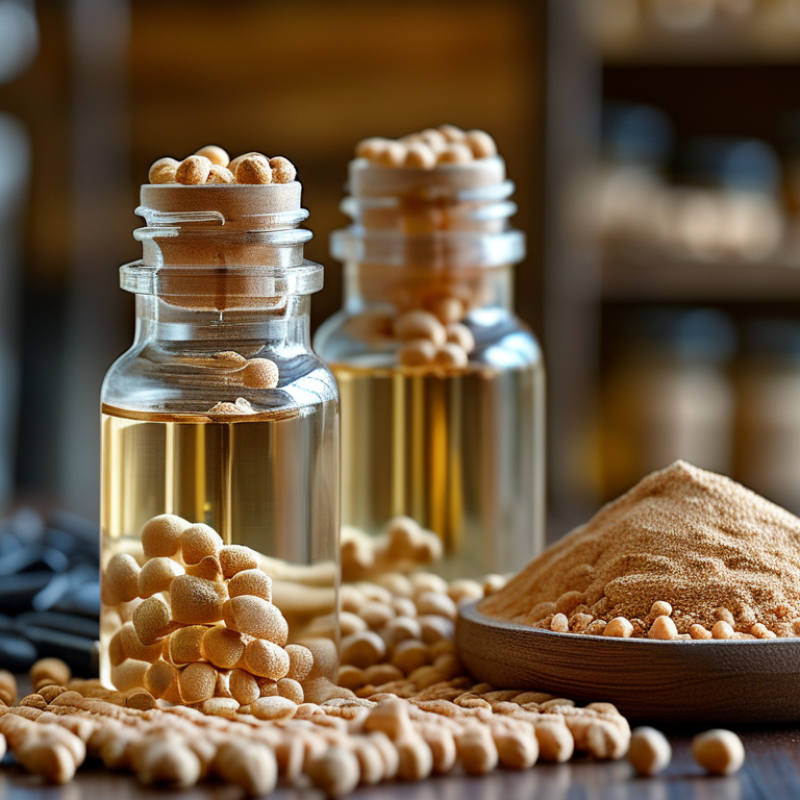
Iron Amino Acid Complex is a unique nutritional supplement. It combines iron with amino acids, enhancing absorption and bioavailability. This complex is particularly beneficial for individuals with iron deficiencies. It offers a gentler alternative to traditional iron supplements, minimizing gastrointestinal discomfort.
Understanding the structure of Iron Amino Acid Complex is key. Each amino acid acts as a carrier for iron, helping the body utilize it more efficiently. This synergy improves iron transport in the bloodstream. Moreover, it supports energy production and can enhance athletic performance. Many people report feeling more energetic after incorporating it into their diet.
However, not all sources of Iron Amino Acid Complex are created equal. Buyers should be cautious and seek reliable suppliers. Researching quality and purity is essential. Transparency about sourcing and manufacturing processes matters. Engaging with reputable industry experts can help ensure informed decisions. It’s important to reflect on personal health needs and consult with professionals when adding supplements.
How to Source Iron Amino Acid Complex for Global Buyers?
| Parameter |
Value |
| Product Name |
Iron Amino Acid Complex |
| Form |
Powder |
| Iron Content |
20% |
| Amino Acid Ratio |
95% |
| Solubility |
Excellent |
| Key Benefits |
Enhanced absorption, Reduced gastrointestinal discomfort, Supports overall health |
| Application Areas |
Nutritional supplements, Functional foods, Animal feed |
| Shelf Life |
24 months |
| Packaging Options |
25 kg bags, Custom packaging available |
Identifying Reputable Suppliers for Iron Amino Acid Complex
When sourcing Iron Amino Acid Complex, identifying reputable suppliers is crucial. Buyers should begin by verifying the supplier’s credentials. Look for manufacturers with certifications in quality control. ISO certification can indicate adherence to high production standards. Additionally, suppliers should provide transparency about their sourcing and manufacturing processes. This builds trust and reliability.
Engaging in conversations with potential suppliers can reveal their expertise. Ask specific questions about their production methods. Understanding their agricultural sources and processing techniques is beneficial. Gathering feedback from other clients can offer insight into their reputation. Online platforms and industry forums can serve as valuable resources for reviews and recommendations.
While there are many suppliers in the market, not all meet high standards. Some may lack proper certifications. Others might not have a proven track record. It is essential to conduct thorough research before committing. Seek out testimonials and case studies to understand the supplier's impact on others in the industry. The journey of finding a reputable supplier can be challenging, but it is vital for quality assurance.
Evaluating Quality Standards for Iron Amino Acid Complex Products
When sourcing Iron Amino Acid Complex, quality standards are paramount. The compound is essential in various applications, particularly in animal feed and dietary supplements. According to reports from the International Journal of Agriculture and Biology, iron deficiency is a leading nutritional problem globally. Ensuring that the iron amino acid complex meets specified quality metrics can significantly impact health outcomes.
Evaluating the quality of these products involves several critical factors. Firstly, the source of iron matters greatly. High-quality complexes often originate from bioavailable forms. Testing for contaminants, such as heavy metals, is also crucial. The World Health Organization suggests strict limits on such contaminants to ensure safety.
There are ways to streamline the sourcing process. Consider establishing relationships with reliable suppliers who provide certifications of analysis. Transparency regarding sourcing and manufacturing practices can reassure buyers. Regularly reviewing supplier audits can uncover potential flaws in quality assurance processes.
Assessing the iron amino acid complex through third-party testing can offer an additional layer of credibility. The Nutraceuticals World report highlights that 25% of supplements on the market do not comply with label claims. Thus, verifying authenticity aids in maintaining product integrity. This diligence not only fulfills consumer expectations but also builds a trustworthy market.
Navigating Import Regulations for Iron Amino Acid Complex
Navigating import regulations for Iron Amino Acid Complex can be complex. Each country has unique rules. Understanding these regulations is crucial for seamless importation. Many buyers overlook this aspect, often facing delays and fines.
Research is essential before sourcing. Review local regulations regarding import permits and documentation requirements. Ensure compliance to avoid setbacks. Reach out to local authorities if you have questions. This can save you time and money.
Logistics play a vital role in the import process. Partner with experienced logistics providers who understand the nuances of transporting Iron Amino Acid Complex. They can help select the right shipping methods and ensure all paperwork is in order. Missteps in logistics can lead to product confiscation or damaged goods.
When sourcing, consider quality certifications. Many countries require verification that products meet safety and quality standards. Always ask for documentation from suppliers. This process may take time, but it is worth the effort.
Establishing Long-Term Relationships with Suppliers Globally
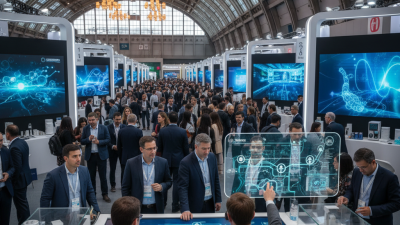
Building long-term relationships with suppliers is essential for sourcing iron amino acid complexes. Trust is a cornerstone of successful partnerships. Start by identifying reliable suppliers with expertise in this niche market. Attend industry conferences and trade shows to connect with potential partners. These events provide valuable networking opportunities. Engaging in direct conversations builds rapport and helps you assess suppliers' credibility.
Once you shortlist possible suppliers, conduct thorough evaluations. Request samples to verify product quality. Pay attention to their production processes and certifications. Good suppliers should be transparent about their operations. You should consider their responsiveness and communication skills. Effective communication fosters a collaborative environment, ensuring both parties work towards common goals.
However, not every partnership will flourish. Challenges may arise, and it's crucial to address any issues head-on. Frequent follow-ups can maintain engagement and allow for real-time feedback. Understand that fluctuation in market demands may strain relationships. Adapting to these changes requires patience and flexibility. Building a partnership takes time and effort, but the rewards are significant in the long run.