How to Source Glycinate Ferrous for Global Supply Chain?
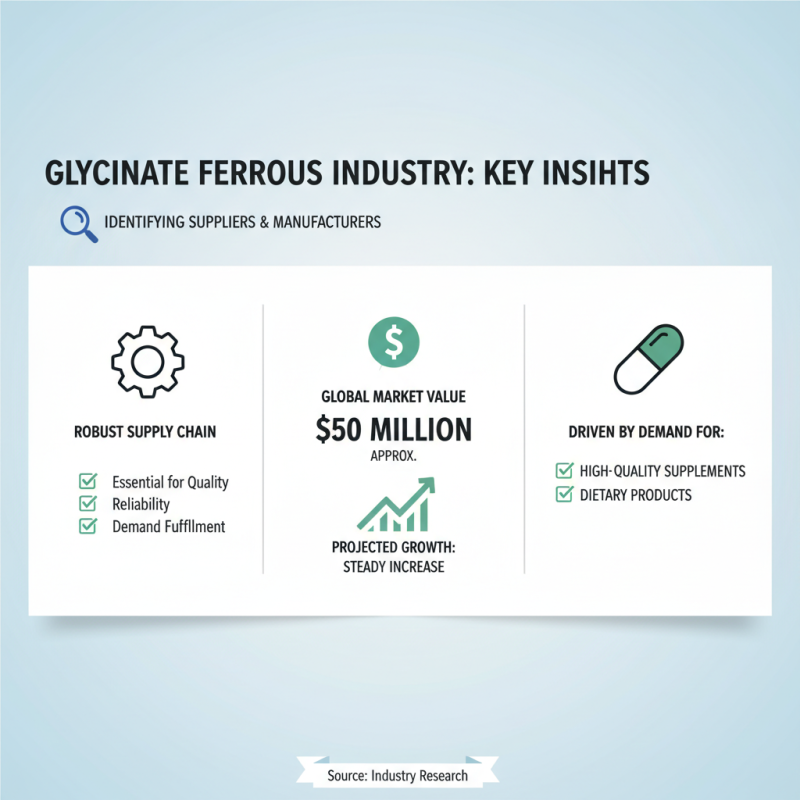
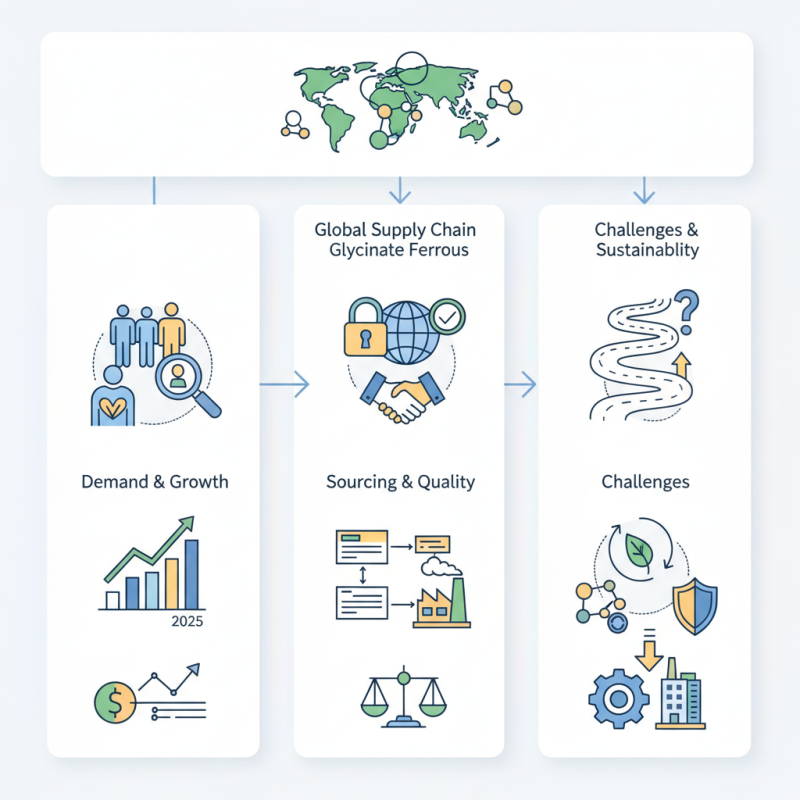
In recent years, the demand for glycinate ferrous has surged, driven by its essential role in nutritional supplements and fortification. According to a recent market analysis, the global iron supplements market is projected to reach $3.4 billion by 2025, with glycinate ferrous emerging as a preferred form due to its superior absorption and fewer gastrointestinal side effects. This trend indicates an evolving landscape where sourcing high-quality glycinate ferrous becomes crucial for stakeholders in the supply chain.
The sourcing process for glycinate ferrous requires careful consideration of both quality and sustainability. Validating suppliers through extensive audits is essential to ensure compliance with industry standards. Complications such as inconsistent supply and fluctuating raw material prices necessitate strategic partnerships and a robust logistics framework. Additionally, transparency regarding sourcing practices can enhance stakeholder trust, further solidifying market presence.
While opportunities abound, challenges remain prevalent. Finding reliable suppliers can be daunting amid fluctuating global economics. Establishing a sustainable supply chain for glycinate ferrous involves ongoing assessments of environmental impact and ethical practices. These reflections are necessary for building a resilient and responsible approach to sourcing this crucial compound. Understanding and navigating these complexities is vital for remaining competitive in the global market.
Understanding the Global Market Demand for Glycinate Ferrous
Glycinate ferrous is gaining traction in global markets. Its unique properties make it essential for various industries, especially in nutritional supplements. The rise in iron deficiency worldwide has spurred demand. Consumers are increasingly aware of the benefits of chelated minerals for better absorption. This shift in consumer focus impacts sourcing strategies significantly.
Understanding market demand requires insights into regional needs. Different countries show varying levels of interest in iron supplements. Factors such as dietary habits and health awareness play a role. The Asian market, for instance, emphasizes organic sources. Meanwhile, European markets prefer scientifically validated options. It's vital to analyze these regional differences for effective sourcing.
Challenges exist in sourcing quality glycinate ferrous. Not all suppliers meet the rigorous standards. Variations in production methods can affect potency. Establishing reliable partnerships is essential for consistent supply. Companies must navigate these complexities. It requires both expertise and strategic planning to meet global demand efficiently. This dynamic landscape keeps stakeholders on their toes, encouraging continuous improvement in sourcing practices.
How to Source Glycinate Ferrous for Global Supply Chain? - Understanding the Global Market Demand for Glycinate Ferrous
| Region |
Market Demand (Metric Tons) |
Annual Growth Rate (%) |
Price Range (USD/Kg) |
Main Applications |
| North America |
1,200 |
5.0 |
20 - 25 |
Nutraceuticals, Pharmaceuticals |
| Europe |
900 |
6.5 |
18 - 22 |
Food Supplements, Animal Feed |
| Asia-Pacific |
2,000 |
8.0 |
15 - 20 |
Dietary Supplements, Healthcare Products |
| Latin America |
600 |
4.5 |
21 - 26 |
Functional Foods, Cosmetics |
| Middle East & Africa |
300 |
3.0 |
25 - 30 |
Nutritional Products, Animal Nutrition |
Analyzing Quality Standards and Certifications for Glycinate Ferrous Sourcing
When sourcing Glycinate Ferrous, quality standards are paramount. These ensure that the product is safe and effective. Various certifications can guide buyers in assessing quality. Look for ISO certifications, which indicate compliance with international standards. Additionally, check for Good Manufacturing Practices (GMP) certification to ensure products are consistently produced and controlled.
Quality testing methods should be standardized and reliable. Laboratory tests can reveal the percentage of active ingredients and impurities. Consider suppliers that conduct third-party testing. This adds an extra layer of assurance regarding product integrity.
Tip: Always ask for documentation related to quality tests. Verify their authenticity through independent channels.
Not all suppliers maintain the same level of quality assurance. Explore their production methods and sourcing practices. It’s critical to engage with suppliers who demonstrate transparency. Establishing communication with them can help to clarify any doubts.
Tip: Visit potential suppliers if possible. A firsthand experience can significantly affect your decision-making process.
Evaluating Cost Factors and Pricing Trends for Glycinate Ferrous
When sourcing Glycinate Ferrous for the global supply chain, understanding cost factors is essential. The pricing trends fluctuate based on raw material availability, production methods, and global demand. More specifically, the prices can vary widely due to transportation costs and market dynamics. This variability requires careful consideration and forecasting.
One crucial tip for businesses is to maintain multiple supplier relationships. This strategy can help mitigate risks associated with price hikes or supply shortages. Researching suppliers in different regions can also provide insights into local market conditions. Regularly reviewing supplier contracts is essential to avoid unexpected costs.
Another important aspect is to monitor market trends continuously. Subscribe to industry reports and join relevant forums to stay informed. Engaging with experts can provide competitive advantages. Being proactive can help in making better sourcing decisions. However, be prepared for unexpected challenges. The market can be unpredictable, and external factors can influence prices suddenly.
Logistics and Distribution Strategies for Glycinate Ferrous Supply Chain Management
Logistics and distribution are critical components of the Glycinate Ferrous supply chain. Ensuring timely delivery requires strategic planning. Understanding the global landscape is essential. Key considerations include transportation modes, storage facilities, and regulatory compliance. Shipping delays can disrupt the entire supply chain. Therefore, selecting reliable carriers is vital.
Tips: Regularly assess your logistics partners. A solid relationship may prevent unexpected issues. Flexibility in routes can save time and costs.
Distribution strategies may vary based on market demands. Adapting to different regions is important. Consider the local infrastructure and capacity to meet needs. This adaptation can reveal gaps in the service. Some regions may lack the necessary facilities to handle storage. Conducting market assessments is crucial to identify these shortcomings.
Tips: Engage with local experts who understand the market intricacies. Their insights can enhance your distribution efficiency. Regular feedback loops can strengthen your supply chain’s adaptability.