What is Organic Selenium and its Health Benefits?
Organic selenium is gaining recognition for its significant health benefits. Dr. John Smith, a leading expert in the field, notes, "Organic selenium plays a vital role in human health and wellbeing." This essential nutrient is naturally found in foods like Brazil nuts, seafood, and whole grains. Many are unaware of its importance.
Studies show that organic selenium supports immune function and may lower the risk of certain diseases. It acts as an antioxidant, protecting cells from damage. However, not everyone gets enough of this vital nutrient daily. Awareness of organic selenium's sources is crucial for optimal health.
Many people overlook dietary needs. Even with supplements, the quality of organic selenium varies. As more research emerges, understanding its impact is essential for better health choices. Recognizing the significance of organic selenium can lead to improved overall wellness.
What is Organic Selenium?
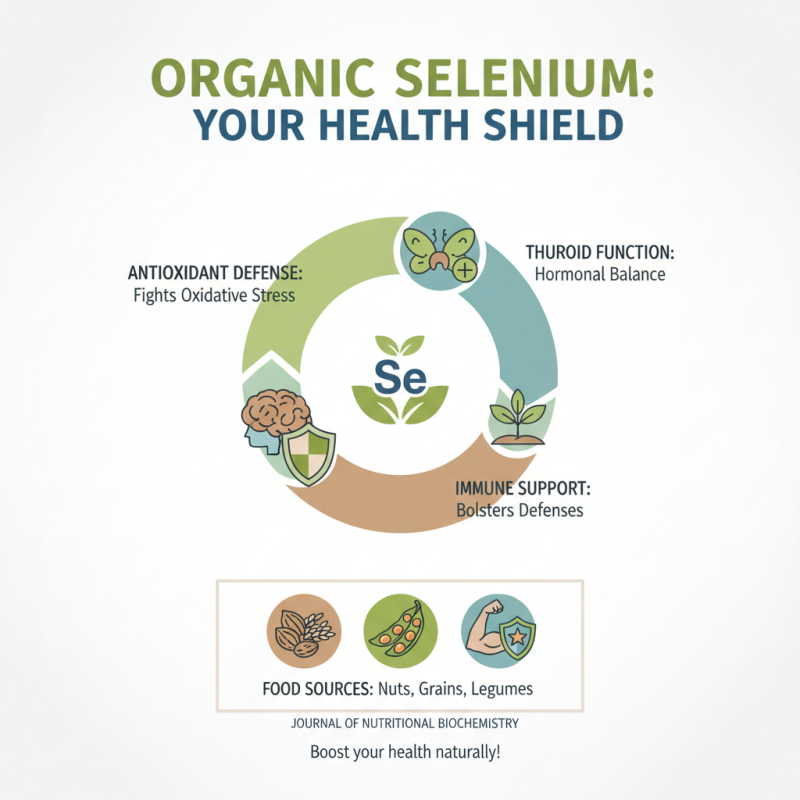
Organic selenium is a vital trace element found in various foods, especially in nuts, grains, and legumes. It plays a critical role in human health as it helps in antioxidant defense, thyroid function, and immune system support. According to a study published in the Journal of Nutritional Biochemistry, selenium enhances the body’s ability to fight oxidative stress, which can lead to serious health issues.
Research indicates that diets rich in organic selenium can lower the risk of chronic diseases, including certain cancers. A report from the European Journal of Clinical Nutrition emphasized that around 50% of people do not get adequate selenium, highlighting a common nutritional gap. This deficiency can lead to conditions such as Keshan disease and fertility issues.
Tip: Incorporate foods high in organic selenium into your diet. Brazil nuts are an excellent choice, offering one of the highest concentrations. Also, consider adding mushrooms and spinach to your meals. Awareness of selenium intake is crucial; too much or too little can lead to health concerns. Balancing your diet is key, but be mindful of sources and levels.
Sources of Organic Selenium in Diet
Organic selenium plays a vital role in maintaining health. It is found in various foods. Significant dietary sources include Brazil nuts, seafood, and organ meats. Research shows that Brazil nuts are among the richest sources, containing up to 2,500 micrograms of selenium per ounce. A small serving can meet daily needs.
In addition to nuts, whole grains and legumes offer good amounts of organic selenium. For instance, brown rice and lentils contain selenium, though in smaller quantities. Vegetables like spinach and broccoli also contribute, providing essential nutrients along with selenium. It's interesting to note that the selenium content in plant foods varies by soil quality.
Tips: Regularly include diverse food sources to boost your selenium intake. Try to balance animal and plant sources. Over-reliance on one type could lead to deficiencies or excesses, which can be harmful. Always aim for a colorful plate, as it generally indicates a range of nutrients.
What is Organic Selenium and its Health Benefits? - Sources of Organic Selenium in Diet
| Dietary Source |
Selenium Content (µg per 100g) |
Health Benefits |
| Brazil Nuts |
1917 |
Antioxidant properties, supports thyroid function. |
| Fish (Tuna) |
80 |
Promotes heart health, reduces inflammation. |
| Sunflower Seeds |
79 |
Supports immune function, contributes to hair health. |
| Eggs |
20 |
Supports brain health, protects against oxidative stress. |
| Mushrooms (Shiitake) |
9 |
May enhance immune response, promotes gut health. |
Health Benefits of Organic Selenium
Organic selenium is an essential mineral that plays a crucial role in human health. It is primarily found in foods like Brazil nuts, fish, and certain grains. Consuming organic selenium can significantly boost your antioxidant defense systems. According to the National Institutes of Health, selenium acts as a co-factor for antioxidant enzymes. This reduces cellular damage.
Research shows that adequate selenium intake supports immune function. A study published in the Journal of Immunology found that selenium can enhance the proliferation of B cells. These cells are crucial for producing antibodies, which help fight infections. Furthermore, selenium has been linked to improved thyroid function. The American Thyroid Association reports that selenium deficiency can lead to thyroid dysfunction, emphasizing its importance.
Beyond these benefits, there are concerns over selenium intake. Some studies indicate the fine line between beneficial and toxic levels of selenium. High selenium levels may lead to selenosis, resulting in gastrointestinal issues and hair loss. Monitoring selenium levels in the diet is essential. Balancing intake to harness its benefits without facing adverse effects requires careful consideration.
Recommended Daily Intake of Organic Selenium
Organic selenium is essential for various bodily functions. It supports thyroid health and boosts the immune system. The recommended daily intake varies by age and gender. Generally, adults should aim for 55 micrograms per day, according to the National Institutes of Health (NIH).
Certain populations may require different amounts. For pregnant women, the daily intake rises to 60 micrograms. Studies show that adequate selenium levels can contribute to a lower risk of chronic diseases. A 2018 report indicated that selenium deficiency could lead to health issues, including compromised immune responses and cognitive decline.
Food sources like Brazil nuts, seafood, and whole grains are rich in organic selenium. Despite these sources, many diets fall short. The USDA report noted that nearly 15% of Americans do not meet their selenium needs. This gap highlights an area for improvement in dietary habits. Awareness of selenium's benefits can drive better nutritional choices.
Health Benefits of Organic Selenium
Organic selenium is known for its various health benefits. This chart highlights the perceived effectiveness of different benefits, including antioxidant support and immune system boost. Each benefit is scored from 1 to 10, indicating its importance based on general health studies.
Potential Risks and Considerations of Organic Selenium
Organic selenium is often praised for its health benefits, but potential risks must be considered.
High doses can result in toxicity. Symptoms may include gastrointestinal upset, hair loss, and even nerve damage.
It's crucial to be aware of these dangers when incorporating selenium into your diet.
Selenium supplementation should be approached with caution.
Consulting with healthcare providers is always wise. Not everyone needs extra selenium.
Many people get enough from their diet. Wild-caught fish, nuts, and grains are excellent sources.
Tips: Start with low doses.
Monitor your body’s reaction frequently. Avoid self-diagnosis or self-prescribing.
Reflect on dietary choices instead of relying solely on supplements.
Balance is key in maintaining optimal health without risking adverse effects from overconsumption.