What are Organic Minerals and Their Benefits for Buyers?
Organic minerals are essential for various industries, particularly in agriculture and health. According to a report by the International Fertilizer Association, organic minerals enhance soil quality and promote sustainable farming. These minerals improve nutrient absorption, leading to healthier crops. More than 60% of farmers now incorporate organic minerals into their practices, recognizing their benefits.
In the health sector, organic minerals contribute to improved nutrition. A study by the Journal of Nutritional Science highlights that organic minerals are more bioavailable than their inorganic counterparts. This means they are absorbed more efficiently by the human body. They play a critical role in various metabolic processes and support overall well-being.
However, not all products labeled as organic minerals live up to their claims. Consumers must choose trustworthy brands that adhere to strict quality standards. It's vital to consider where the minerals are sourced. Transparency in production processes can help buyers make informed choices about the products they use. Understanding the true value of organic minerals is crucial for maximizing their benefits.

Understanding Organic Minerals: Definition and Composition
Organic minerals are essential nutrients derived from natural sources. They play a crucial role in human health and the ecosystem. Unlike inorganic minerals, organic minerals are bound to carbon, which often enhances their bioavailability. Reports from the United Nations Food and Agriculture Organization indicate that organic minerals can improve soil health and crop yields significantly. This is vital as more people demand healthier food options.
The composition of organic minerals includes elements like magnesium, calcium, and iron, intertwined with organic matter. This unique structure helps plants absorb nutrients more efficiently. A study published in the Journal of Soil Science in 2021 noted that plants grown with organic minerals showed a 20% increase in growth compared to those without. This might suggest that organic minerals lead to better agricultural practices and improved food quality.
However, consumers should tread carefully. The market for organic minerals can be confusing. Not all products labeled as "organic" meet the same standards. Transparency in sourcing and processing is key. Potential buyers should question the origin and composition of these minerals. Access to reliable data should guide their choices. It's essential to strike a balance between promising benefits and actual efficacy.
What are Organic Minerals and Their Benefits for Buyers?
| Mineral |
Source |
Benefits |
Recommended Daily Intake |
| Calcium |
Leafy Greens, Nuts |
Bone Health, Muscle Function |
1000 mg |
| Magnesium |
Seeds, Whole Grains |
Energy Production, Muscle Relaxation |
400 mg |
| Iron |
Legumes, Red Meat |
Oxygen Transport, Energy Levels |
18 mg |
| Zinc |
Nuts, Shellfish |
Immune Function, Wound Healing |
11 mg |
| Potassium |
Bananas, Potatoes |
Blood Pressure Regulation, Electrolyte Balance |
3500 mg |
The Role of Organic Minerals in Soil Health and Fertility
Organic minerals play a crucial role in
soil health and fertility. They are derived from natural processes and contribute to the overall ecosystem.
According to a report from the Soil Health Institute, organic minerals
enhance nutrient availability by improving soil structure. This leads to better water retention and aeration.
Research shows that the incorporation of organic minerals can increase
crop yields by an average of 15%. These minerals help
stimulate microbial activity in the soil. Healthy microbes are essential for breaking down organic matter.
They release nutrients that plants need to thrive.
However, incorporating organic minerals into soil management has its challenges. Not all farmers are aware of
the best practices. There can be inconsistencies in mineral quality.
Some minerals may be less effective depending on soil type. Addressing these issues requires ongoing education
and research. Understanding the balance of organic and inorganic inputs can lead to more productive agriculture.
Health Benefits of Organic Minerals for Human Nutrition
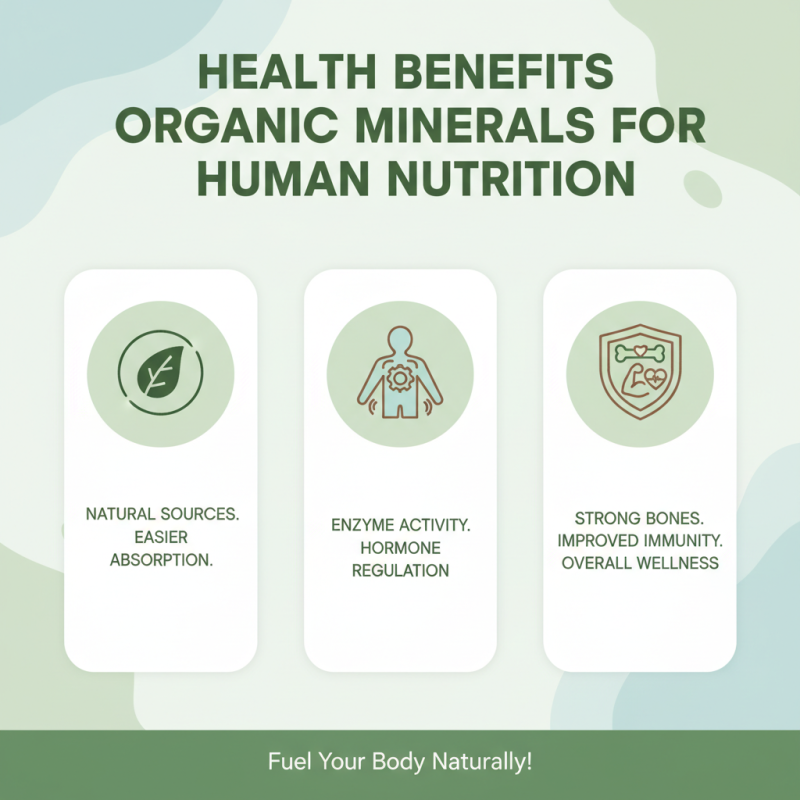
Organic minerals play a crucial role in human nutrition and offer remarkable health benefits. These minerals come from natural sources, making them easier for the body to absorb. They help in various bodily functions, including enzyme activity and hormone regulation. Regular consumption can strengthen bones, improve immune function, and enhance overall health.
When choosing organic minerals, consider your dietary needs. Not everyone requires the same minerals. For instance, athletes might need more magnesium for muscle recovery. Meanwhile, older adults may benefit from increased calcium for bone health. Tailoring your mineral intake can lead to better results.
Tips: Always consult with a healthcare professional before adding new supplements to your diet. Keep a food diary to track which minerals you might be lacking. This reflection can help you make informed choices about your nutrition, balancing your mineral intake effectively. Think critically about your sources—are they truly organic, or just labeled as such?
Comparing Organic Minerals with Inorganic Minerals
Organic minerals and inorganic minerals differ significantly in their origin and benefits. Organic minerals come from natural sources, such as plants and animals. They are more easily absorbed by the body. This enhanced absorption leads to greater utilization in various biological processes. In contrast, inorganic minerals usually originate from rocks and soil. The body often finds it harder to process these forms, which may result in less effective nutrition.
When considering dietary choices, organic minerals can offer unique health advantages. They often contain additional co-factors from their natural sources, promoting better health outcomes. For example, calcium from dairy products includes enzymes and vitamins that aid absorption. On the other hand, inorganic minerals, like those found in supplements, can sometimes lead to build-up or toxicity. Their benefits can be inconsistent, depending on individual dietary habits.
Buyers should weigh these factors carefully. The preference for organic minerals lies in their holistic benefits. However, not all organic sources are equally effective. Each individual's body may react differently, and it’s vital to evaluate personal health needs. Understanding these distinctions can empower consumers to make informed choices for their nutrition.
The chart above illustrates the comparative nutritional benefits of organic minerals versus inorganic minerals. Organic minerals score higher due to their bioavailability and effectiveness in the human body, making them more beneficial for health-conscious buyers.
How to Choose High-Quality Organic Minerals for Purchase
When choosing high-quality organic minerals, buyers should consider several key factors. First, look for products that are sustainably sourced. Sustainable practices often result in better quality minerals. Examine the color, texture, and purity. Organic minerals should have a consistent appearance without unnatural colors or additives. These details can reflect their overall quality.
Additionally, pay attention to the documentation and certifications. Reliable suppliers will provide lab results or certifications showing the mineral's origin and potency. This transparency builds trust in the product. Remember to check for any signs of contamination, such as foreign particles or odd smells. Quality decreases when purity is compromised.
It’s also essential to consider your specific needs. Different minerals serve various purposes. Research their benefits and find what aligns with your health goals. Engaging with knowledgeable sources or professionals can enhance your understanding. Always be cautious about your choices. The best organic minerals can significantly impact your well-being, but not every product on the market meets those high standards.