How to Increase Your Health with Organic Selenium Benefits and Sources
In an era where health consciousness is on the rise, the significance of incorporating essential nutrients into our diets cannot be overstated. Among these vital nutrients is organic selenium, a trace mineral that plays a crucial role in maintaining optimal health. Organic selenium is known for its antioxidant properties, supporting immune function, and promoting overall well-being. As research continues to unveil its myriad benefits, individuals are increasingly seeking ways to enhance their health through diet and supplementation.
This article delves into the numerous advantages of organic selenium and its natural sources. From its role in enhancing thyroid function to its potential in reducing the risk of chronic diseases, organic selenium stands out as an essential component of a balanced diet. By understanding the importance of this mineral and identifying the best dietary sources, individuals can make informed choices that contribute to their long-term health. Engaging in a discussion of organic selenium not only highlights its individual benefits but also emphasizes the broader impact of organic nutrition in fostering a healthier lifestyle.

Understanding Selenium: An Essential Trace Mineral for Health
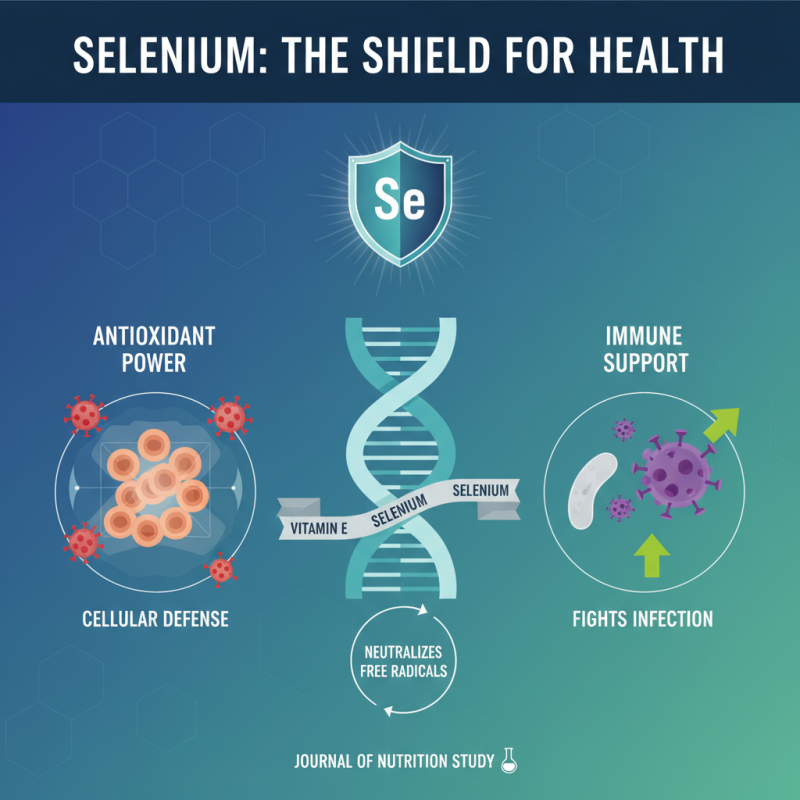
Selenium is an essential trace mineral that plays a pivotal role in maintaining optimal health. Recognized for its antioxidant properties, selenium contributes to the protection of cells against oxidative stress, which is linked to chronic diseases such as cancer and cardiovascular conditions. According to a study published in the Journal of Nutrition, selenium has been shown to support the immune system, enhancing the body’s ability to fend off infections. This mineral works synergistically with vitamin E to neutralize free radicals, thereby aiding in the prevention of cellular damage.
The recommended dietary allowance (RDA) for selenium varies by age and gender, with adults needing approximately 55 micrograms per day. A deficiency in selenium can lead to significant health issues, including immune dysfunction and increased risk of chronic diseases. The World Health Organization estimates that around 1 billion people worldwide may have insufficient selenium levels, underscoring the importance of incorporating selenium-rich foods into one's diet. Foods such as Brazil nuts, seafood, and whole grains are excellent sources of this vital mineral, providing a natural way to enhance health and support overall wellness. By understanding and integrating selenium into our diets, we can harness its numerous benefits and promote better health outcomes.
The Health Benefits of Organic Selenium for the Human Body
Organic selenium is a trace mineral that plays a crucial role in maintaining optimal health. It acts as a powerful antioxidant, protecting cells from damage caused by free radicals, which can lead to chronic diseases. Selenium is essential for the functioning of various enzymes in the body, supporting metabolism and immune function. Studies have shown that sufficient selenium levels may help reduce the risk of heart disease, improve thyroid function, and even enhance reproductive health.
To incorporate organic selenium into your diet, consider adding foods rich in this important mineral. Sources include Brazil nuts, sunflower seeds, fish, and whole grains. It's recommended to consume these foods in moderation to avoid excessive selenium intake, which can lead to toxicity. Look for organic varieties of these foods to ensure you are getting the highest quality nutrients.
Tip: To boost your selenium intake, sprinkle sunflower seeds over your salads or yogurt for a nutritious snack. Additionally, try including Brazil nuts in your morning smoothie for a delicious way to enhance your health. Remember, balance is key—aim for a diverse diet that includes various sources of selenium without over-reliance on a single food item.
How to Increase Your Health with Organic Selenium Benefits and Sources
| Dimension |
Details |
| Selenium Sources |
Brazil Nuts, Seafood, Eggs, Sunflower Seeds, Whole Grains |
| Health Benefits |
Supports immune system, Antioxidant properties, Promotes thyroid function, Reduces cancer risk |
| Recommended Daily Allowance |
55 micrograms for adults |
| Deficiency Symptoms |
Fatigue, Weakness, Immune dysfunction, Cognitive decline |
| Foods High in Selenium |
Tuna, Spinach, Mushrooms, Chicken, Cottage Cheese |
Natural Sources of Organic Selenium: Where to Find It
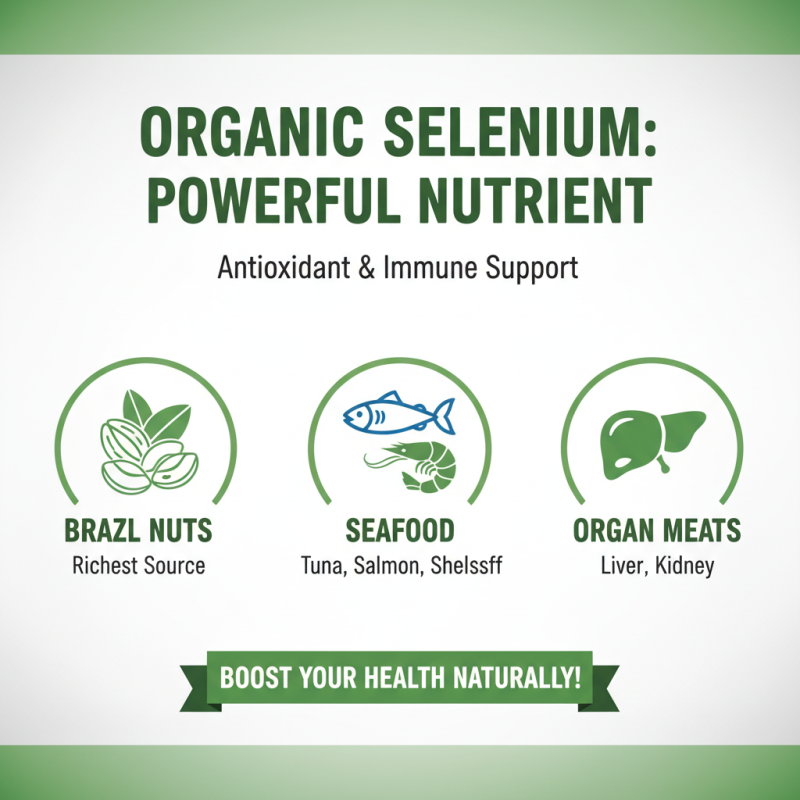
Organic selenium is a vital trace mineral that plays a key role in various bodily functions, including antioxidant defense and immune support. To increase your intake of organic selenium, focusing on natural food sources is essential. Foods rich in selenium include Brazil nuts, seafood, and organ meats, all of which offer bioavailable forms of this important nutrient. Brazil nuts are particularly noteworthy, as just a small amount can provide several times the daily recommended intake, making them a powerful and delicious option for boosting selenium levels.
In addition to Brazil nuts, individuals can also find organic selenium in various plant-based sources. Whole grains such as brown rice and whole wheat bread contain moderate levels of this mineral. Legumes like lentils and chickpeas can contribute to your selenium intake, particularly when included in a balanced diet. Additionally, mushrooms, specifically those grown in selenium-rich soils, can serve as another excellent plant-based source. By incorporating a diverse range of these foods into your meals, you can naturally enhance your selenium levels while enjoying a nutritious diet.
Incorporating Organic Selenium into Your Diet: Tips and Recipes
Incorporating organic selenium into your diet can be a simple yet effective way to enhance your health. Selenium is a trace mineral that plays a vital role in various bodily functions, including supporting thyroid health and boosting the immune system. To ensure you're getting enough of this essential nutrient, consider adding selenium-rich foods to your meals.
One of the best ways to incorporate organic selenium is through nuts and seeds, especially Brazil nuts, which are known for their exceptionally high selenium content. A small handful can meet your daily requirement. Additionally, seafood such as tuna and sardines, along with whole grains like brown rice and quinoa, can also provide ample amounts of selenium. Try incorporating these ingredients into your favorite recipes—such as adding nuts to salads or using whole grains as a base for various dishes.
When planning your meals, here are a few tips to help you easily integrate selenium into your diet. First, make a habit of meal prepping by including a variety of selenium-rich foods to keep your meals nutritious and diverse. You can create a weekly schedule to try new recipes featuring ingredients like garlic, mushrooms, and eggs, which also contain good levels of selenium. Lastly, consider cooking with selenium-containing spices, such as turmeric and mustard powder, to not only enhance flavor but also boost the nutritional profile of your dishes.
Health Benefits of Organic Selenium
This bar chart illustrates the impact of various health benefits attributed to organic selenium on a scale from 1 to 10, highlighting how selenium can contribute to overall well-being.
Potential Risks of Selenium Deficiency and Toxicity to Watch For
Selenium is an essential micronutrient that plays a vital role in numerous bodily functions, including immune response and thyroid hormone metabolism. However, a deficiency in selenium can lead to serious health risks. According to a report from the World Health Organization, selenium deficiency is associated with increased susceptibility to infections, impaired immune function, and even thyroid dysfunction. Regions with low selenium levels in the soil, such as parts of Europe and China, showcase a greater incidence of these health issues among their populations.
On the other hand, while selenium is crucial for health, excessive intake can lead to toxicity. The National Institutes of Health warns that selenium toxicity can result in symptoms such as gastrointestinal distress, hair loss, and neurological damage. A balance is critical; therefore, it is essential to monitor selenium levels, especially for those considering supplementation.
Tips: To maintain optimal selenium levels, incorporate natural sources into your diet, such as Brazil nuts, sunflower seeds, and mushrooms. Regularly check your selenium status through blood tests if you're at risk of deficiency or toxicity. Additionally, consult healthcare professionals when considering selenium supplements to ensure safe and effective usage.