Why is Organic Zinc Important for Health and Wellness?
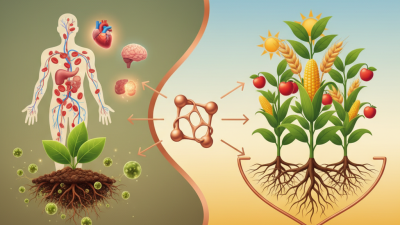
Organic zinc plays a crucial role in our health and wellness. According to Dr. Mark Lewis, a renowned expert in nutrition, "Organic zinc is essential for immune function and overall vitality." Zinc is a trace mineral found in many foods, affecting numerous body processes. It supports enzyme activity and helps with DNA synthesis.
Many people overlook the importance of organic zinc. This oversight can lead to deficiencies, impacting health significantly. Symptoms may include weakened immunity, delayed wound healing, and even hair loss. The body cannot store zinc, so continuous intake is necessary.
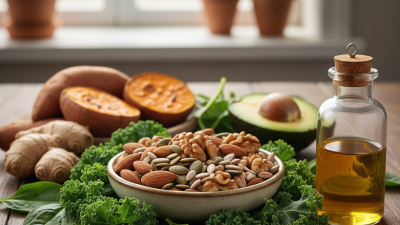
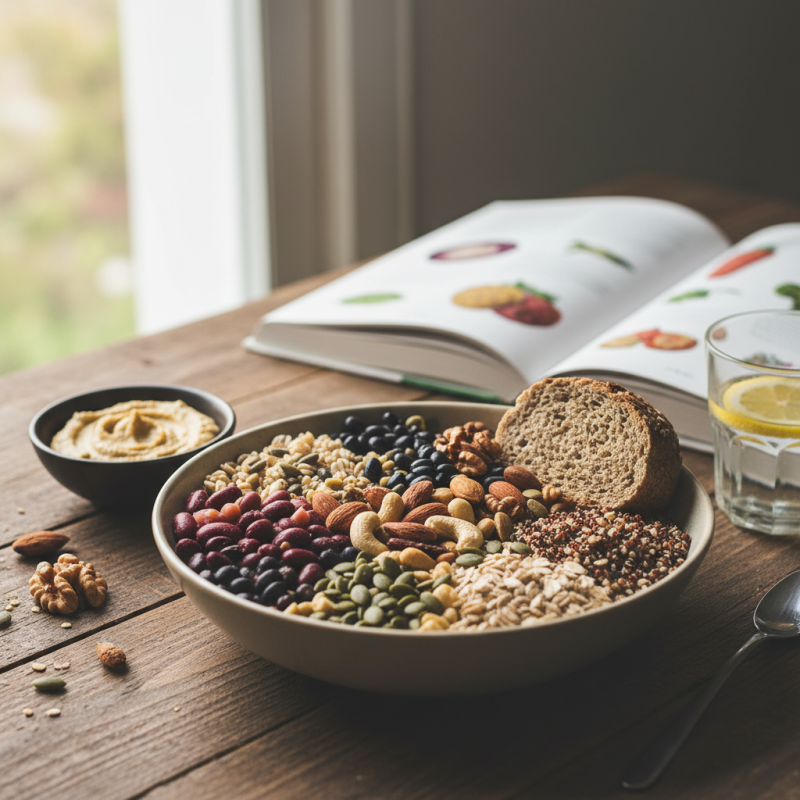
Incorporating organic zinc into a diet can be simple. It is present in foods like beans, nuts, and whole grains. Each food choice matters. Many diets may be deficient, leading to health concerns. Recognizing the need for adequate organic zinc is a step toward better well-being. Reflection on dietary habits is crucial for growth and health improvement.
What is Organic Zinc and How Does It Differ from Inorganic Zinc?
Organic zinc is a vital nutrient for our health. It is found in the cells of our body and plays a role in various processes. Unlike inorganic zinc, organic zinc is more easily absorbed by our bodies. This enhances its effectiveness in supporting the immune system and promoting overall wellness.
Inorganic zinc, such as zinc oxide or zinc sulfate, may offer lower bioavailability. This means our body struggles to absorb these forms. Organic zinc is typically bound with organic compounds. This can improve its assimilation and reduce gastrointestinal side effects. Many people may not realize how crucial this difference is for their health.
Quality food sources of organic zinc include nuts, seeds, and whole grains. Choosing organic options can lead to better uptake. Yet, over-relying on supplements can create imbalances. We need to consider our diet and lifestyle carefully. Finding the right balance is essential for optimal health. Awareness of organic versus inorganic sources is the first step toward better health choices.
Why is Organic Zinc Important for Health and Wellness? - What is Organic Zinc and How Does It Differ from Inorganic Zinc?
| Dimension |
Organic Zinc |
Inorganic Zinc |
| Source |
Naturally derived from plants or organic compounds |
Synthetic or mineral-based sources |
| Bioavailability |
Higher absorption rates in the body |
Lower absorption compared to organic forms |
| Side Effects |
Generally well-tolerated |
May cause gastrointestinal issues |
| Health Benefits |
Supports immune function, skin health, and wound healing |
May assist in various metabolic processes |
| Common Forms |
Zinc citrate, zinc gluconate |
Zinc sulfate, zinc oxide |
The Role of Zinc in the Immune System: Benefits of Organic Zinc
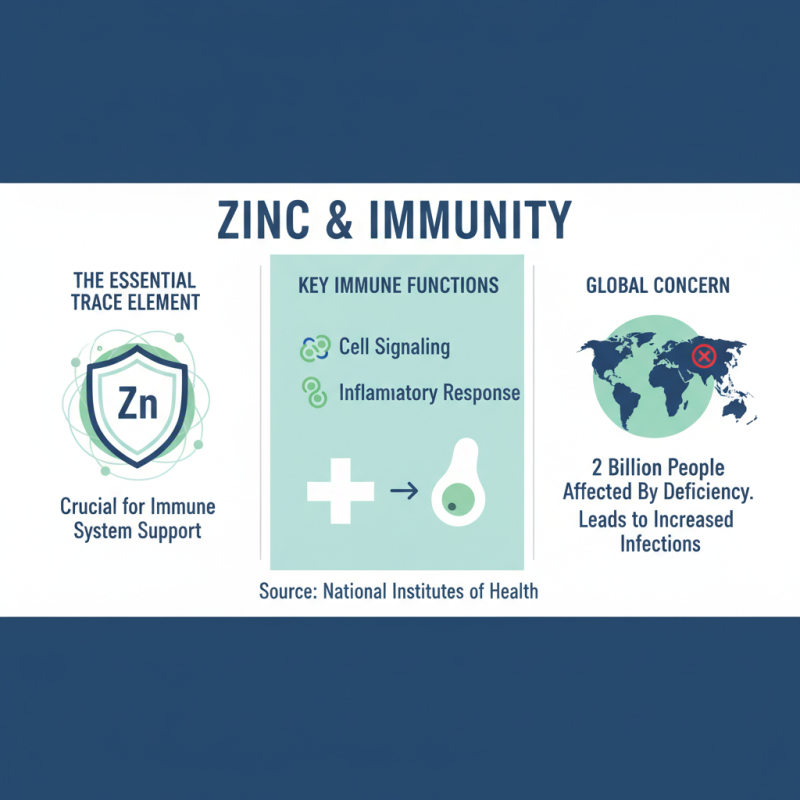
Zinc is a crucial trace element for the immune system. It plays a key role in various immune functions, including cell signaling and inflammatory responses. According to the National Institutes of Health, zinc deficiency can impair immunity, leading to higher susceptibility to infections. Approximately 2 billion people worldwide may be affected by zinc deficiency, making it a significant public health concern.
Organic zinc offers several advantages over inorganic forms. Studies suggest that organic zinc is better absorbed by the body. This enhanced bioavailability can lead to improved immune responses. BioMed Central's research indicates that individuals with sufficient zinc intake experience fewer infections and shorter illness durations. The immune system relies on zinc to activate T-cells, a vital component in fighting pathogens.
Additionally, maintaining optimal zinc levels is not straightforward. Over-supplementation can lead to adverse effects, hindering the immune system’s efficiency. Before increasing zinc intake, many should reflect on their diet. Whole foods can often provide sufficient zinc. However, many may overlook this aspect, leading to unbalanced nutrition and potential deficiencies. Balancing zinc intake is essential for lasting health and wellness.
Sources of Organic Zinc: Natural Foods and Supplements
Organic zinc plays a crucial role in maintaining health. It supports the immune system, aids in wound healing, and promotes cell growth. Many people do not get enough zinc from their diets. According to the National Institutes of Health, about 2 billion people globally are zinc deficient. This is surprising, considering how vital this mineral is.
Natural food sources of organic zinc include meat, shellfish, legumes, seeds, and nuts. For instance, oysters are known to be one of the richest sources of zinc. Just six medium oysters can provide approximately 33 mg of zinc. Other foods, like chickpeas and pumpkin seeds, can also help meet daily zinc needs. However, some people may struggle to consume adequate amounts.
Supplements are another option for those needing extra nutrition. Zinc supplements can help boost levels but must be used wisely. Over-supplementation can lead to adverse effects, such as nausea or interference with copper absorption. Awareness of one's dietary intake is essential. Balancing food sources with supplements is key for optimal health.
Importance of Organic Zinc for Health and Wellness
Organic zinc plays a crucial role in various bodily functions, including immune response and cell division. The chart above represents the zinc content found in some natural food sources, showcasing the importance of including these foods in your diet for optimal health and wellness.
Health Benefits of Organic Zinc for Skin, Hair, and Overall Well-being
Organic zinc plays a crucial role in promoting skin health, supporting hair vitality, and enhancing overall well-being. Zinc is essential for collagen synthesis, which helps maintain skin elasticity and repair. According to the National Institutes of Health, zinc deficiency can lead to skin problems, including acne and delayed wound healing. Many individuals overlook how critical this mineral is for their daily health.
For hair health, organic zinc nourishes hair follicles and helps prevent hair loss. A study published in the Dermatology Research and Practice journal found a significant correlation between zinc levels and hair growth. Maintaining adequate zinc levels supports hair thickness and texture, making it vital for a healthy mane.
Tips: Incorporate zinc-rich foods into your diet, like legumes and nuts. Consider supplements if you struggle to get enough zinc. Always consult a healthcare professional before starting any new supplements. It's crucial to remember that too much zinc can also be harmful, leading to nausea and other health issues. Balance is key.
Recommended Daily Intake of Organic Zinc and Potential Deficiencies
Organic zinc plays a vital role in supporting overall health. It contributes to immune function and cellular repair. Many people don't get enough zinc, leading to potential deficiencies. The recommended daily intake for adult men is about 11 mg and for women, 8 mg. However, dietary habits can make it challenging to meet these levels.
Food sources rich in organic zinc include meat, shellfish, legumes, and seeds. Vegetarians and vegans might struggle without adequate supplementation. Signs of deficiency may include hair loss, impaired immune response, and slow wound healing. It's not always easy to pinpoint these issues. Sometimes, we overlook our diets and their impacts on our well-being.
Assessing your zinc intake is crucial. A food diary could help track your habits. Reflect on your meals and snack choices. Consider whether you're incorporating enough zinc-rich foods into your diet. Understanding these factors can lead to better health outcomes. Addressing potential deficiencies is a step toward improved wellness.