Unlocking the Health Benefits of Glycinate Ferrous for Optimal Iron Absorption and Enhanced Energy Levels
In the quest for optimal health, maintaining adequate iron levels is crucial, and one of the most effective forms of iron supplementation is Glycinate ferrous. This chelated form of iron not only enhances absorption but also minimizes gastrointestinal discomfort commonly associated with other iron supplements. Glycinate ferrous is recognized for its superior bioavailability, which leads to improved iron status in the body, ultimately contributing to enhanced energy levels and overall well-being. As many individuals face iron deficiency due to dietary restrictions or increased physiological demands, understanding the benefits of Glycinate ferrous becomes essential. This article will explore the health advantages of Glycinate ferrous, examining its mechanisms for optimal absorption and its pivotal role in combating fatigue and supporting bodily functions. By unlocking the potential of Glycinate ferrous, individuals can take proactive steps towards achieving better health and vitality.
Benefits of Glycinate Ferrous: A Comprehensive Overview of Iron Absorption
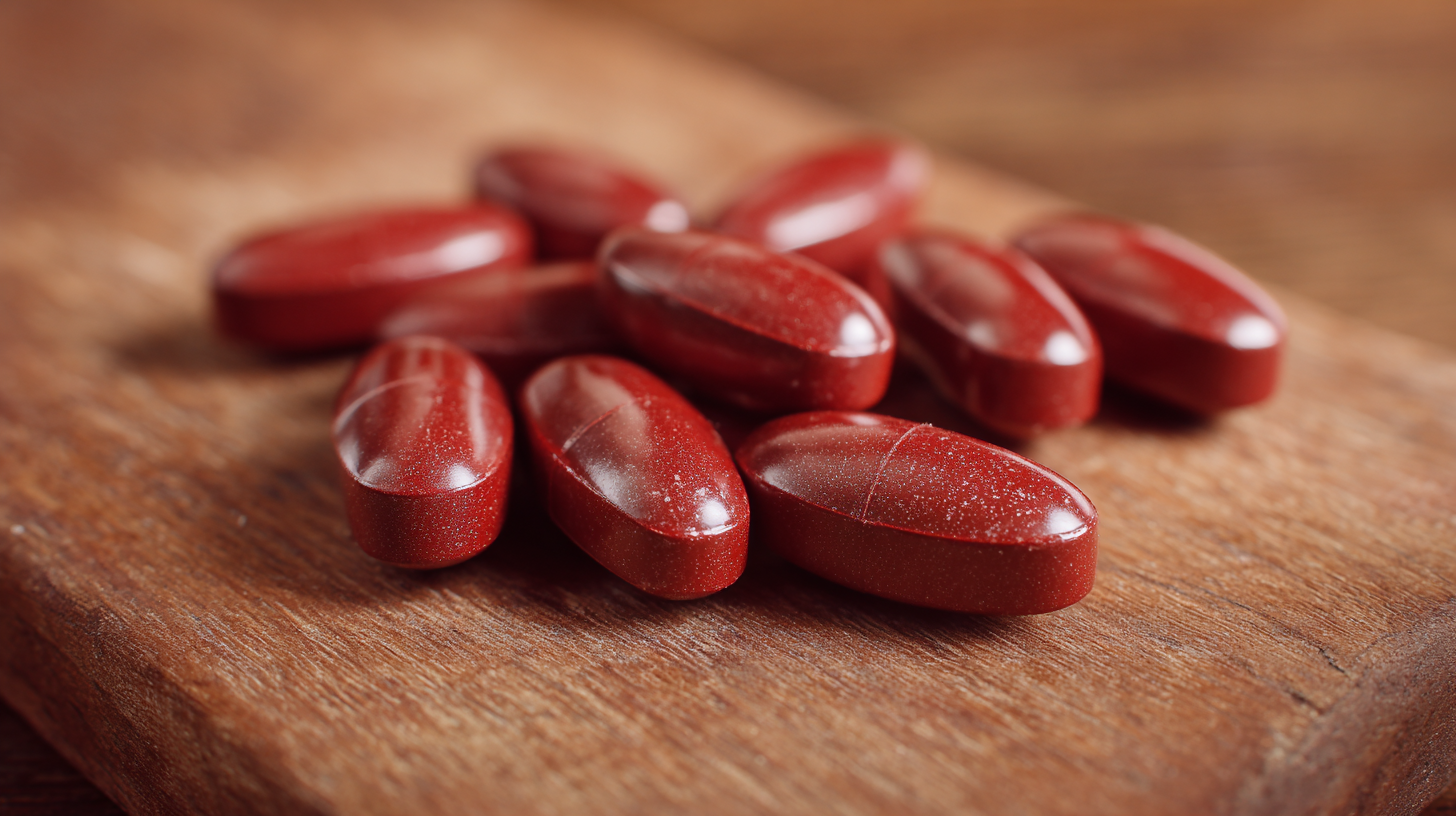 Glycinate ferrous is gaining attention for its effectiveness in promoting optimal iron absorption and enhancing energy levels. As an essential nutrient, iron plays a vital role in various bodily functions, notably in the transportation of oxygen in red blood cells. Many women, especially of reproductive age, are at risk of iron deficiency; estimates suggest that up to 20 percent may be affected. By choosing glycinate ferrous as a supplement, individuals can benefit from its high bioavailability, making it an excellent option for those aiming to boost their iron levels.
Tips for Maximizing Iron Absorption:
1. Pair iron supplements with vitamin C-rich foods like oranges or bell peppers to enhance absorption.
2. Avoid taking iron supplements with calcium-rich foods or beverages, as calcium can inhibit iron absorption.
3. Consider your overall diet; incorporating lean meats, legumes, and dark leafy greens can naturally increase your iron intake.
With the right supplementation strategy, glycinate ferrous not only helps in improving hemoglobin and ferritin levels but also supports overall energy and well-being, making it a crucial ally for those struggling with anemia and fatigue.
Optimal Iron Absorption Rates: How Glycinate Ferrous Compares to Other Forms
Glycinate ferrous, particularly in its bisglycinate form, is emerging as a leading choice for optimal iron absorption. Its chelated structure allows for better bioavailability compared to traditional iron supplements, which often lead to gastrointestinal discomfort. Recent studies indicate that up to 20% of women are iron deficient, a condition that can significantly impact energy levels and overall health. Reports from registered dietitians highlight that iron supplements formulated with bisglycinate cause less digestive upset and provide more efficient absorption rates, making them suitable for those with sensitive stomachs.
Furthermore, industry analysis shows that as individuals age, their iron requirements change, particularly after the age of 50. This demographic is at a higher risk for deficiencies, which can lead to fatigue and decreased vitality. Glycinate iron not only aids in meeting these increased nutritional demands but also supports energy levels without unwanted side effects often associated with conventional iron supplements. In a market flooded with options, the gentle approach of glycinate ferrous positions it as a preferred choice for those seeking both efficacy and comfort in supplementation.
The Science of Energy Production: Iron's Role in Cellular Metabolism
Iron is a crucial mineral that plays a significant role in cellular metabolism, particularly in the production of energy. It is a key component of hemoglobin, which transports oxygen throughout the body. When oxygen is efficiently delivered to tissues, it enhances cellular respiration, allowing cells to convert nutrients into energy. Glycinate ferrous, a chelated form of iron, is known for its superior absorption and minimal gastrointestinal side effects, making it an excellent choice for those seeking improved iron levels to boost energy.
To optimize energy production through iron absorption, consider incorporating foods rich in vitamin C into your diet, as they enhance iron absorption. Additionally, avoid consuming calcium-rich foods or beverages, like dairy and certain leafy greens, at the same time as iron supplements, since they can inhibit absorption. Hydration also plays a crucial role; ensure you drink plenty of water to support overall metabolic functions and energy levels.
When selecting iron supplements, look for glycinate ferrous for its bioavailability and gentle impact on the stomach. Consult with a healthcare professional to determine the right dosage tailored to your individual needs, especially if you are prone to iron deficiency. This strategic approach can lead to sustained energy levels and improved overall well-being.
Recommended Daily Intake: Ensuring Adequate Iron Levels for Enhanced Performance
Iron is a crucial mineral for maintaining optimal health, particularly for those engaged in physical activity or with higher nutritional needs. The recommended daily intake of iron varies depending on factors such as age, gender, and activity level, typically ranging from 8 to 18 mg. For example, menstruating women often require higher levels to account for iron lost during their menstrual cycle. Meeting these daily intake requirements is essential not only to prevent deficiencies but also to ensure sustained energy levels and enhanced performance in both athletic and daily activities.

Incorporating glycinate ferrous, a highly bioavailable form of iron, can be particularly beneficial for those seeking to improve their iron absorption. This chelated form reduces gastrointestinal discomfort commonly associated with other iron supplements while promoting higher absorption rates. By integrating glycinate ferrous into one’s diet, individuals can more effectively meet their iron requirements, leading to improved oxygen transport, reduced fatigue, and better overall vitality. This is especially important for athletes and those with demanding lifestyles, as adequate iron levels directly correlate with energy and performance.
Tips for Maximizing Glycinate Ferrous Efficacy: Timing, Dosage, and Diet Considerations
Glycinate ferrous is a highly bioavailable form of iron that offers significant health benefits, especially for individuals dealing with iron deficiency. To maximize its efficacy, it’s essential to consider timing, dosage, and dietary habits. Studies indicate that the optimal time to take glycinate ferrous is on an empty stomach, as this enhances absorption. Research published in the American Journal of Clinical Nutrition suggests that iron absorption can increase by 67% when taken without food. However, if gastrointestinal discomfort occurs, it may be beneficial to take it with a small meal.
When it comes to dosage, adhering to the recommended daily intake is crucial. The World Health Organization recommends a daily iron intake of 18 mg for adults; however, individuals with iron deficiency may require higher doses under medical supervision. Additionally, pairing glycinate ferrous with vitamin C-rich foods can further enhance absorption. According to a study in the Journal of Nutrition, vitamin C can triple iron absorption, making it a vital dietary consideration for those looking to boost their energy levels through improved iron status.