What is Glycinate Ferrous Benefits and Uses?
Glycinate ferrous is gaining attention in the health community. This compound is known for its potential benefits in combatting iron deficiency. Iron plays a crucial role in red blood cell production and overall energy levels.
Many individuals suffer from low iron, leading to fatigue and weakness. Glycinate ferrous offers a solution. It is a more absorbable form of iron, causing fewer digestive issues compared to traditional supplements. This makes it appealing for those sensitive to side effects.
While it has advantages, not everyone responds the same way. Some people might still experience mild discomfort. It's essential to consult a healthcare provider before starting any supplement regimen. The journey towards better health is often complex and requires careful consideration. Glycinate ferrous could be a valuable tool in this process.
Benefits of Glycinate Ferrous for Iron Deficiency Anemia
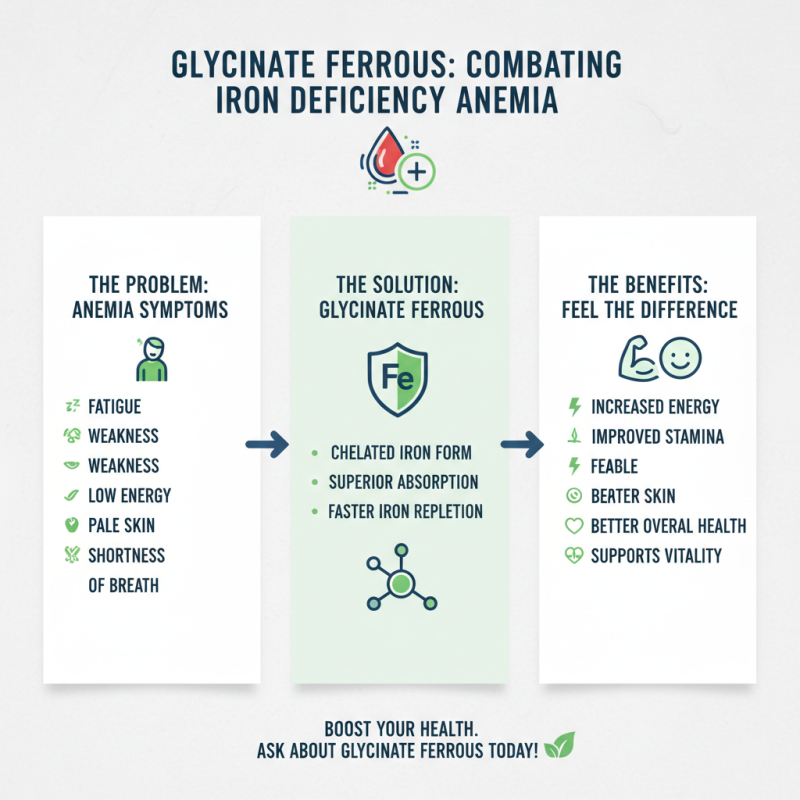
Glycinate ferrous is gaining attention for its beneficial effects on iron deficiency anemia. This condition often leaves individuals feeling fatigued and weak. Glycinate ferrous is a chelated form of iron that is more easily absorbed by the body. This improved absorption can lead to faster replenishment of iron levels. Many people report feeling increased energy and better overall health after incorporating glycinate ferrous into their diets.
Individuals suffering from iron deficiency anemia may benefit from the gentle nature of glycinate ferrous. Unlike some iron supplements, it typically causes fewer gastrointestinal side effects. This can make a significant difference for those who struggle with traditional iron forms. However, it is important to note that not everyone responds the same way to supplements. Some may still experience discomfort or other issues.
While glycinate ferrous can help, it’s essential to consider dietary sources of iron as well. Foods like red meat, beans, and leafy greens are valuable too. Monitoring iron levels regularly is crucial in managing anemia effectively. People should reflect on their nutrition and identify any gaps. Balancing supplements with a healthy diet may optimize benefits.
How Glycinate Ferrous Promotes Better Iron Absorption
Glycinate ferrous is a form of iron supplement that offers significant benefits for those with iron deficiency. One of its key advantages is its enhanced absorption. Studies show that glycinate ferrous is well-tolerated and more easily absorbed compared to standard iron supplements. According to research published in the Journal of Nutrition, this form can improve iron status by 30% more than conventional options.
What makes glycinate ferrous unique is its chelation process. This bonds the iron to amino acids, enhancing bioavailability. A report by the American Journal of Clinical Nutrition indicates that amino acid chelates can prevent gastrointestinal discomfort, a common side effect of iron intake. As a result, users often experience fewer side effects like constipation or nausea.
Tips: When taking iron supplements, consider vitamin C intake. This vitamin enhances absorption. Consuming foods rich in vitamin C, such as citrus fruits, can be beneficial. Additionally, timing matters. Avoid taking iron with calcium or caffeine, as these can hinder absorption. Staying informed on your body’s needs is crucial, and consulting a healthcare professional may provide deeper insights into proper dosage and usage.
Benefits of Glycinate Ferrous and Iron Absorption
This bar chart compares the iron absorption rates of Glycinate Ferrous, Ferrous Sulfate, Ferrous Gluconate, and Non-Heme Iron. Glycinate Ferrous shows significantly higher absorption rates, illustrating its effectiveness in promoting better iron uptake in the body.
Potential Side Effects and Safety of Glycinate Ferrous
Glycinate ferrous, a chelated form of iron, offers various health benefits. However, awareness of potential side effects is crucial. While this supplement aids in preventing iron deficiency anemia, some users may experience gastrointestinal issues. According to a study published in the "Journal of Nutrition.", iron supplements can lead to nausea and constipation in 20-30% of users.
Allergic reactions can occur. Signs may include rashes, itching, or swelling. Some individuals report feeling dizzy or fatigued after taking the supplement. The risk of these effects increases with higher doses. Research shows that gradual dosage is essential for minimizing discomfort. A controlled intake can help the body adapt better, reducing adverse reactions.
Safety regulations suggest monitoring iron levels while using glycinate ferrous. Overconsumption can lead to iron overload, causing symptoms like joint pain or liver damage. Regular testing can prevent complications. Reflecting on usage patterns reveals the importance of customization in dosage and frequency. Not every individual responds the same way, emphasizing the significance of personal health assessments.
Recommended Dosage and Usage Guidelines for Glycinate Ferrous
Glycinate ferrous is an iron supplement that offers several health benefits. It may help increase iron levels, which are crucial for energy production and overall well-being. Many people use it to combat iron deficiency anemia, a condition that can lead to fatigue and weakness. However, the effectiveness of this supplement depends on proper dosage and usage.
For most adults, the recommended dosage is usually between 20 to 30 mg of elemental iron per day. This can be adjusted based on individual needs, but it's essential not to exceed the upper limit. Taking the supplement with vitamin C can enhance absorption. However, some individuals may experience gastrointestinal discomfort. It is crucial to monitor your body's response. Consulting with a healthcare provider can ensure safety and efficacy in such cases.
It’s also important to consider dietary sources of iron. Foods like red meat, beans, and leafy greens should complement supplementation. Relying solely on supplements may not address the underlying issue of dietary intake. An over-reliance could lead to health complications, such as iron overload. Awareness of these factors can lead to better health outcomes.
What is Glycinate Ferrous Benefits and Uses? - Recommended Dosage and Usage Guidelines for Glycinate Ferrous
| Benefit |
Description |
Recommended Dosage |
Usage Guidelines |
| Enhances Iron Absorption |
Glycinate ferrous is chelated to improve absorption in the body compared to non-chelated iron supplements. |
30-120 mg of elemental iron per day |
Take with food to reduce gastrointestinal discomfort. |
| Supports Energy Production |
Iron is essential for the formation of hemoglobin, which carries oxygen and aids in energy production. |
Iron needs vary by age and gender; consult a healthcare provider for personalized advice. |
Consider splitting doses if taking higher amounts to enhance overall absorption. |
| Improves Cognitive Function |
Adequate iron levels are necessary for improved cognitive performance and mental clarity. |
Follow the dosage as directed; up to 60 mg may be taken efficiently. |
Monitor for signs of iron overload; regular blood tests may be recommended. |
| Reduces Fatigue |
Increasing iron levels can help alleviate symptoms of fatigue, especially in those with iron deficiency. |
Consult with a healthcare professional for appropriate dosing. |
Stay hydrated and maintain a well-balanced diet to support iron intake. |
Comparison of Glycinate Ferrous with Other Iron Supplements
Glycinate ferrous is gaining attention for its benefits in iron supplementation. Compared to other iron forms, it is known for its high bioavailability. Bioavailability refers to how well the body absorbs a substance. Studies show glycinate ferrous has a bioavailability of around 90%, a significant improvement over traditional iron forms. Ferrous sulfate, by contrast, has a bioavailability of only 30%. This difference is crucial, especially for individuals with iron deficiency.
Side effects are a common concern with iron supplements. Many people experience gastrointestinal discomfort from forms like ferrous gluconate or sulfate. In trials, glycinate ferrous demonstrated fewer side effects, with only 10% of users reporting discomfort. This attribute makes it appealing for long-term use. However, it is essential to note that individual reactions can vary widely. Some may still experience issues even with glycinate ferrous.
When comparing costs, glycinate ferrous often sits at a higher price point. While the benefits may justify the expense for some users, others may hesitate. This decision often leads to reflections on value versus expense. The market needs transparency about which supplements work effectively for whom. As research continues, understanding personal needs becomes vital in choosing the right iron supplement.