Top 10 Food Attractant Tips to Enhance Your Outdoor Experience
In the realm of outdoor adventures, one often overlooked yet vital element is the use of food attractants. Renowned wildlife expert Dr. Jennifer Moss emphasizes the importance of this component, stating, "Food attractants can significantly enhance wildlife observation by creating a natural gathering space." As outdoor enthusiasts seek to connect with nature, understanding how to effectively utilize food attractants can transform a mundane experience into a memorable and enriching encounter with wildlife.
The strategic selection and application of food attractants not only draws animals closer to our environment but also supports an immersive experience for observers. Whether you are an avid birdwatcher or a novice hiker, incorporating these tips into your outdoor activities can lead to fascinating moments shared with diverse species. From understanding the preferences of local wildlife to utilizing seasonal ingredients, this guide aims to provide you with essential insights that will enhance your time spent in nature.
By focusing on the synergy between food attractants and wildlife behavior, we can deepen our appreciation for the ecosystem while creating opportunities for responsible wildlife engagement. Join us as we explore the top 10 food attractant tips designed to elevate your outdoor adventures and foster a greater connection with the natural world around you.
Understanding the Importance of Food Attractants in Outdoor Activities
Food attractants play a critical role in enhancing outdoor experiences, whether for camping, hiking, or wildlife observation. They serve to draw in wildlife, creating opportunities for enthusiasts to observe animals in their natural habitats. Understanding the natural behavior and feeding patterns of various species can help enthusiasts select food attractants effectively, leading to more vibrant and immersive outdoor encounters. By using natural food sources, enthusiasts can create a connection between themselves and the environment, increasing appreciation for wildlife and the ecosystems they inhabit.
Moreover, food attractants can also enhance social interactions among outdoor enthusiasts. Sharing experiences centered around cooking or preparing meals with natural attractants encourages a sense of community and collaboration. Whether it’s collectively setting up a campfire or crafting snacks that appeal to local wildlife, these activities foster camaraderie and enrich the outdoor experience. By prioritizing food attractants in outdoor activities, individuals can gain deeper insights into nature while forging lasting memories with friends and family, thus enhancing the overall enjoyment of their outdoor adventures.
Choosing the Right Food Attractants for Specific Wildlife
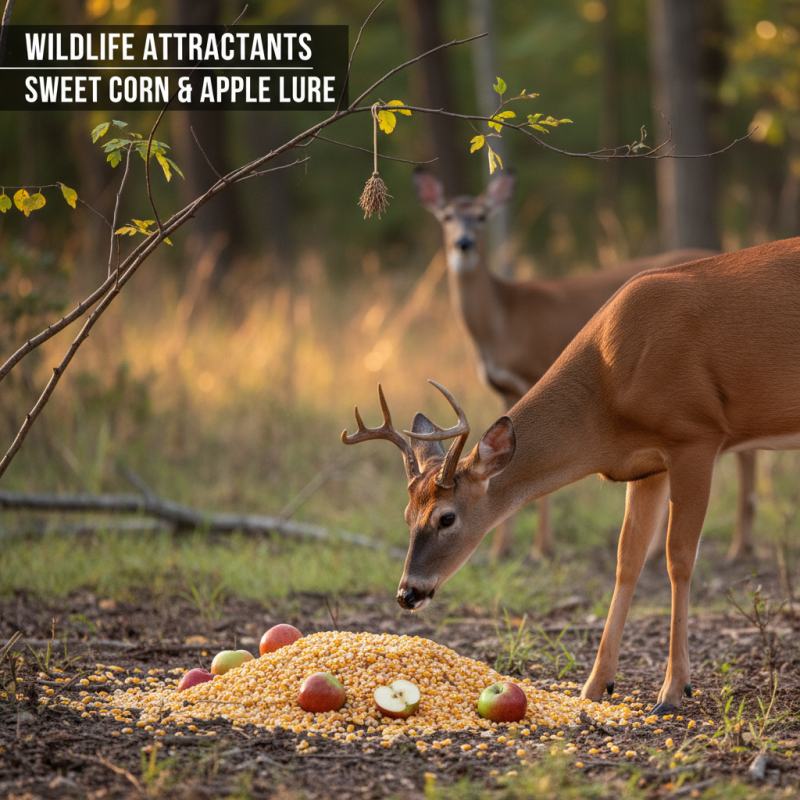
When it comes to enhancing your outdoor experience, selecting the right food attractants tailored for specific wildlife can make all the difference. Research indicates that different species respond to various scents and food types, which can significantly impact their behavior and presence. For example, studies show that deer are highly attracted to sweet corn and apples, which can increase their visitation rates by as much as 50% during seasons where these food sources are readily available. Utilizing scent-specific lures designed for particular wildlife can lead to more successful encounters in the field.
Moreover, understanding the dietary preferences of local wildlife can optimize your attractant strategy. According to recent surveys, around 70% of hunters and outdoor enthusiasts reported better results when selecting food attractants based on behavioral patterns rather than random selections. For instance, bears are often drawn to high-calorie foods like peanut butter or fish oil, particularly in the early spring when they emerge from hibernation. Utilizing these insights can help create a more effective and enjoyable experience while respecting the natural patterns and habits of the wildlife you aim to attract.
Effective Techniques for Applying Food Attractants in Nature
When it comes to enhancing your outdoor experience, using food attractants can significantly increase the likelihood of wildlife encounters. Understanding how to effectively apply these attractants is key. According to the National Wildlife Federation, strategic placement of food sources can increase animal sightings by over 60%. This showcases the importance of knowing where and how to use these attractants in nature.
One effective technique is to consider the natural feeding habits of the wildlife you’re trying to attract. For instance, positioning attractants near natural food sources that animals already frequent can create a compelling draw. Planning your placements during early morning or late evening hours, when animals are most active, can further improve success rates. Always ensure that the application respects local wildlife regulations and best practices to minimize disruption to habitats.
Additionally, using scent-based attractants can heighten your outdoor experience. Studies in wildlife management indicate that animals have an acute sense of smell and are drawn to specific scents during foraging. Incorporating natural scents from plants or herbs in your attractant strategy can enhance its effectiveness. Remember to change locations regularly to prevent wildlife from becoming overly habituated to one spot, ensuring a fresh experience with every outing.
Top 10 Food Attractant Tips to Enhance Your Outdoor Experience
| Tip No. |
Attractant Type |
Application Method |
Best Time to Use |
Effectiveness Rating |
| 1 |
Corn |
Scatter on the ground |
Spring and Fall |
8/10 |
| 2 |
Peanut Butter |
Apply to tree trunks |
Year-round |
9/10 |
| 3 |
Fruits |
Hang in mesh bags |
Late summer |
7/10 |
| 4 |
Fish Oil |
Soak cotton balls and place in area |
Spring |
9/10 |
| 5 |
Honey |
Mix with water and spray |
Anytime |
8/10 |
| 6 |
Sugar Water |
Place in feeding stations |
Summer |
6/10 |
| 7 |
Stable Manure |
Spread in small piles |
Fall |
7/10 |
| 8 |
Bait Traps |
Load with preferred foods |
Spring and Summer |
8/10 |
| 9 |
Vegetable Oil |
Spray on feeding areas |
Year-round |
7/10 |
| 10 |
Bread |
Tear and scatter |
Early morning |
6/10 |
Timing Your Attractant Use for Maximum Wildlife Engagement
When it comes to enhancing your outdoor experience through wildlife engagement, the timing of your food attractant use is crucial. Research indicates that wildlife behavior varies significantly with seasonal changes and environmental conditions. For example, studies show that deer are more active during dawn and dusk, particularly in fall and winter when they are actively foraging for food before the harsh conditions set in. Utilizing food attractants during these peak times can dramatically increase your chances of observing and engaging with wildlife. According to the National Wildlife Research Institute, employing attractants during these critical feeding windows can boost wildlife sightings by up to 40%.
Moreover, understanding weather patterns is essential to effectively time your attractant use. Animals often seek food sources immediately after a rain event or during cloudy days when the temperature is cooler, as these conditions can increase their comfort and chances of safer foraging. A 2021 study published in the Journal of Wildlife Management found that hunters utilizing food attractants shortly after rainfall experienced a 50% higher visitation rate from targeted species. Therefore, aligning your attractant strategy to coincide with these natural rhythms can enhance your outdoor adventure, making it not only more fruitful but also more enjoyable.
Top 10 Food Attractant Tips to Enhance Your Outdoor Experience
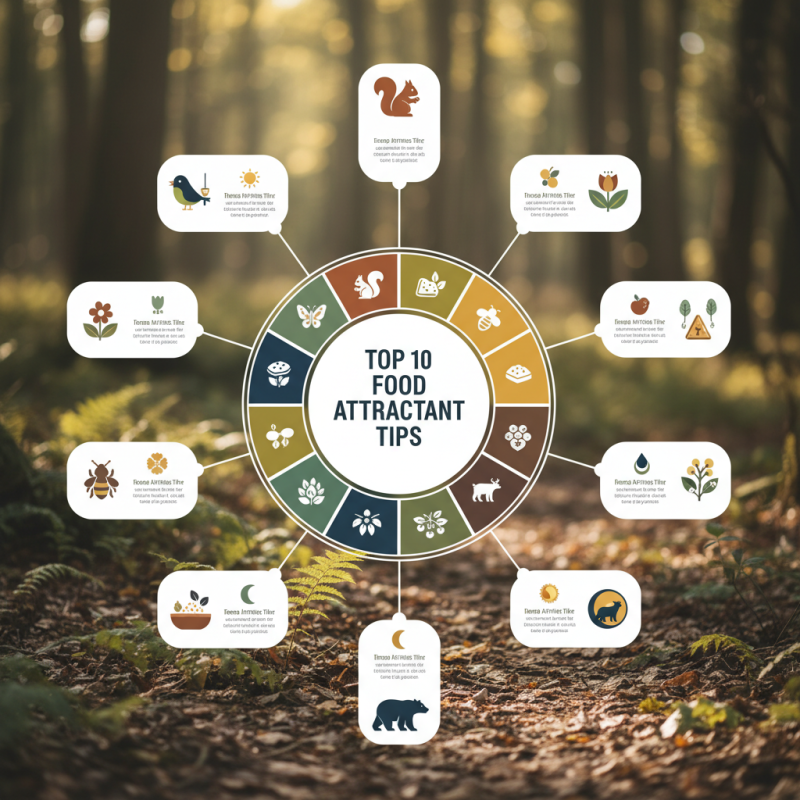
This chart illustrates the engagement levels of various food attractant tips for enhancing outdoor wildlife experiences. The ratings are based on factors such as timing, type of food, location, and more, with scores ranging from 1 to 10. Use these insights to optimize your wildlife engagement strategies.
Safety and Ethical Considerations When Using Food Attractants
When utilizing food attractants to enhance outdoor experiences, safety and ethical considerations should be a top priority. First and foremost, one must always be aware of the local wildlife and their behaviors. Certain food attractants can inadvertently lead to habituation, where animals become overly reliant on human-provided food sources, potentially leading to dangerous encounters. It's crucial to use quantities of food bait that are minimal and temporary, ensuring that wildlife does not become dependent on these attractants for sustenance. Additionally, when choosing food types, opting for natural or non-processed items can reduce the potential harm to wildlife and the environment.
Another essential consideration is the proper disposal of any leftover food. Leaving food remnants behind can attract scavengers or pests that disrupt local ecosystems. It is vital to follow Leave No Trace principles, such as packing out all waste, including any food scraps. Furthermore, ensuring that food attractants do not lure in non-target species is key to preserving the local biodiversity. Being mindful and responsible while using food attractants can lead to a more enjoyable and respectful outdoor experience, helping to maintain the balance between human activity and nature.