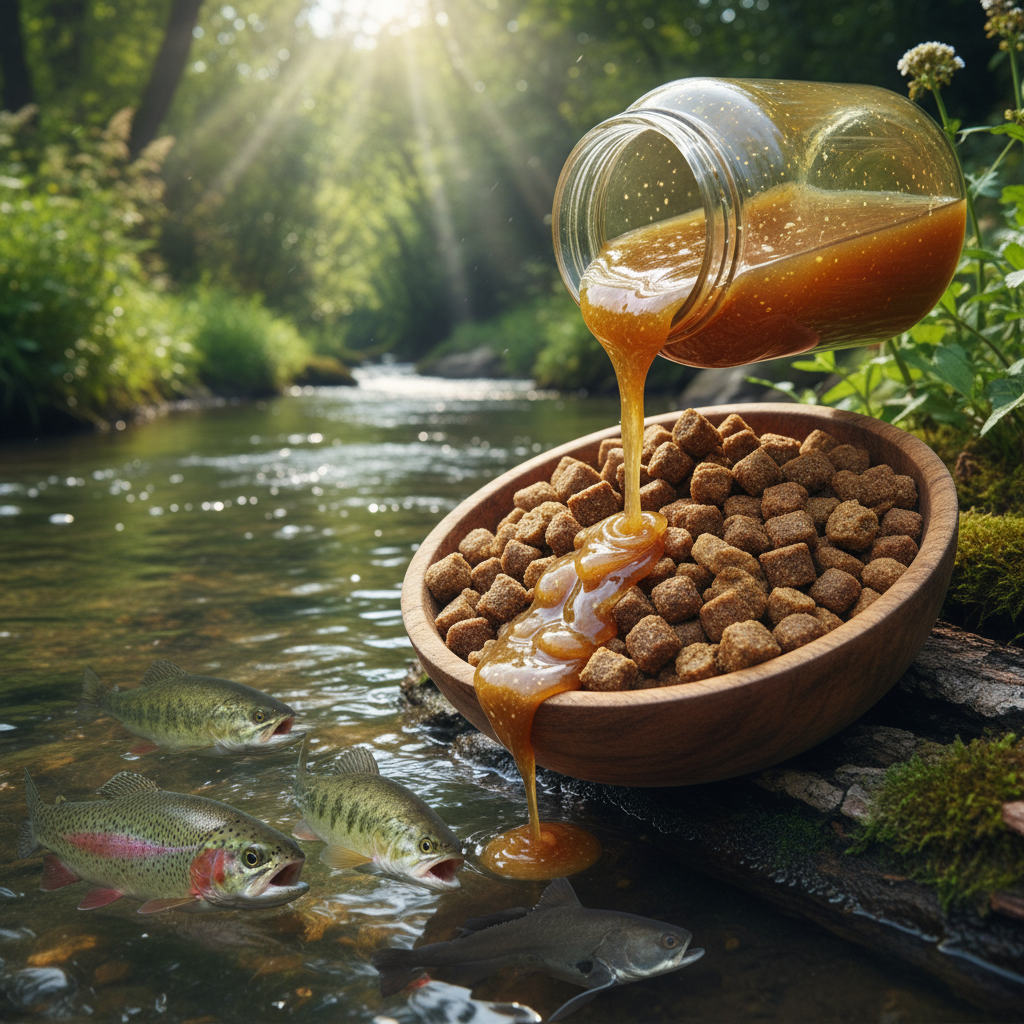
What is a Food Attractant and How Does It Work to Enhance Your Baits?
In the world of fishing and hunting, the use of effective baits is crucial for optimizing success rates. One significant tool that has gained traction among anglers and trappers alike is the food attractant. Food attractants are specially formulated substances designed to mimic the scents and flavors of natural food sources, thereby appealing to the sensory receptors of target species. According to a report by the American Sportfishing Association, the use of attractants can increase catch rates by up to 30%, demonstrating their vital role in enhancing bait effectiveness.
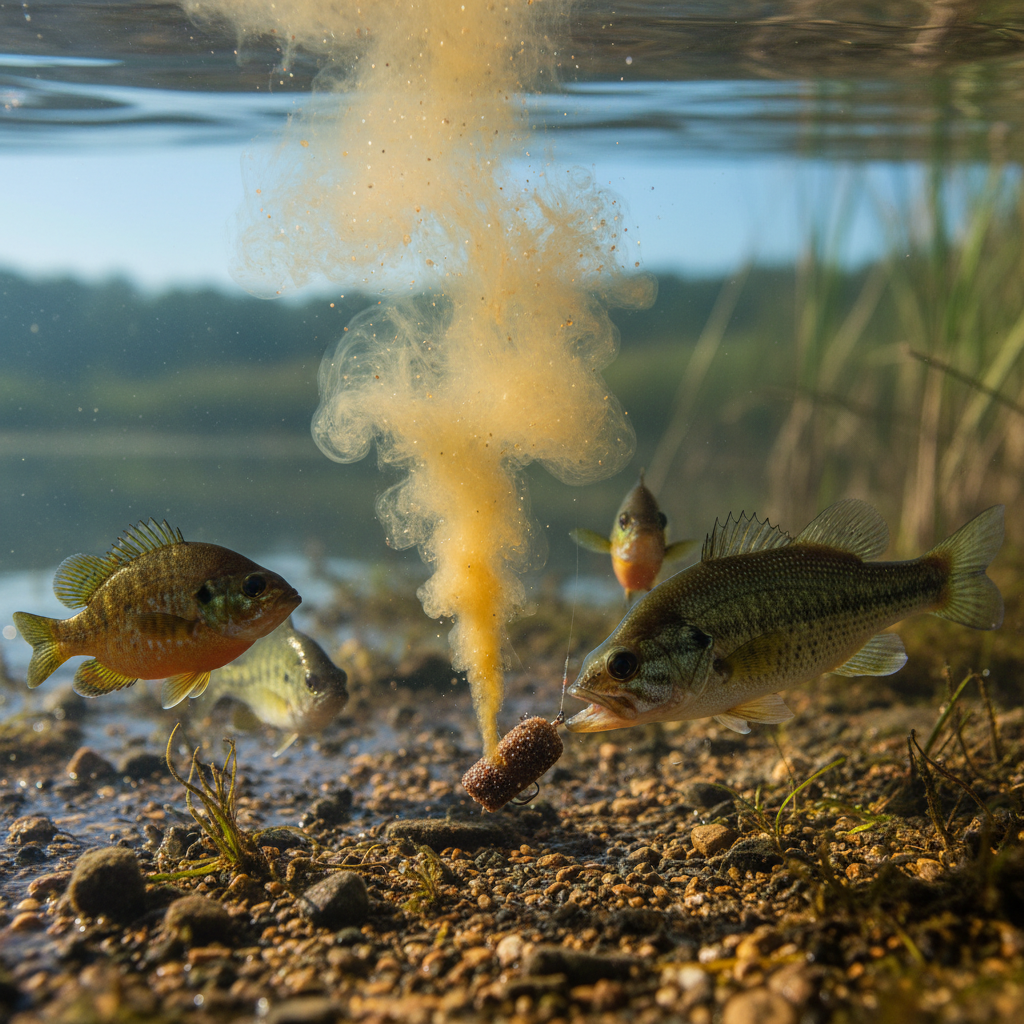
Food attractants work by creating a sensory stimulus that lures fish or wildlife towards baited areas. The efficiency of these attractants lies in their ability to trigger instinctual responses in the animals, prompting them to investigate the source of the enticing scent. Research indicates that 70% of a fish's feeding behavior is influenced by its sense of smell, underscoring the importance of quality attractants in any baiting strategy. By understanding how food attractants operate, enthusiasts can significantly improve their baiting techniques, leading to more enjoyable and productive outings in the great outdoors.
Understanding Food Attractants: Definition and Purpose
Food attractants play a crucial role in enhancing the effectiveness of various baits. Defined as substances that are added to bait to increase its appeal to fish or wildlife, food attractants work by eliciting a natural feeding response. According to industry studies, up to 80% of successful fishing trips can be attributed to the use of effective attractants, which tap into the natural instincts of animals to find food. This increased appeal not only improves catch rates but also enables more sustainable fishing practices by minimizing unnecessary disturbance to ecosystems.
In recent discussions surrounding baiting regulations, particularly with the rise of human-wildlife conflicts, the use of specific food attractants can raise ethical considerations. Reports indicate that improper use of bait can exacerbate tensions between human populations and wildlife, as seen in various regions where baiting practices have led to increased wildlife encounters. It is essential for anglers and hunters to be informed about the implications of their bait choices, ensuring they utilize attractants responsibly while complying with local laws and regulations. This underscores the importance of understanding food attractants not only for enhancing bait effectiveness but also for promoting responsible outdoor activities.
The Science Behind Food Attractants: How They Work
Food attractants are critical components used in various baiting strategies, whether in fishing, wildlife management, or pest control. Understanding the science behind how these attractants operate helps in effectively enhancing bait efficiency. Generally, food attractants are designed to mimic natural food sources, releasing specific scents or flavors that trigger a response in target species. According to a study published in the Journal of Experimental Biology, certain compounds found in food attractants can enhance the sensory response in fish by up to 50%, making them more likely to approach and sample the bait.
The effectiveness of food attractants lies in their ability to engage olfactory receptors, signaling the presence of food. Research conducted by the North American Wildlife Management Association indicates that scents derived from real food sources, such as oils and extracts, are significantly more effective than synthetic options. For instance, baits infused with natural fish oils can lead to a 60% increase in catch rates compared to standard bait setups. This empirical data underscores the vital role that scientifically formulated food attractants play in improving bait performance and overall success in attracting target organisms.
What is a Food Attractant and How Does It Work to Enhance Your Baits?
| Attractant Type |
Key Components |
Mechanism of Action |
Target Species |
Usage Tips |
| Fish Oil |
Omega-3 Fatty Acids |
Releases scent in water, attracting fish through olfactory receptors. |
Trout, Bass, Catfish |
Use in combination with bait to enhance effectiveness. |
| Sweeteners |
Sugars, Amino Acids |
Attracts fish and enhances taste, encouraging feeding behavior. |
Carp, Panfish |
Dissolve in water for a more widespread scent distribution. |
| Flavor Additives |
Natural Extracts, Essential Oils |
Stimulates feeding instincts by mimicking natural food sources. |
Salmon, Catfish |
Apply directly to bait or mix into bait formulations. |
| Scent Trail |
Fish Byproducts, Organic Compounds |
Creates a scent trail in water that leads fish to the bait. |
Pike, Walleye |
Use in dirty or murky water for enhanced visibility. |
Top 5 Types of Food Attractants for Effective Baiting
Food attractants play a crucial role in enhancing the effectiveness of baits by mimicking the scents and flavors of natural prey. This enticing aroma draws fish or game animals towards the bait, improving the chances of a successful catch. The right attractant can make all the difference, whether you’re targeting freshwater species or pursuing larger game.
Among the top five types of food attractants, the first is enzymatic attractants, which release natural fish enzymes that trigger feeding responses. Next are oil-based attractants, known for their strong scents that disperse in water, effectively attracting fish from a distance. Third, there are flavor-enhanced attractants, which combine sweet or savory compounds to create a more irresistible bait. Additionally, amino acid attractants exploit the biological signals that signify food presence, while pheromone-based attractants harness natural mating scents to lure specific game. Each type serves a unique purpose, ensuring that anglers and hunters can find success with their targeted species.
Application Techniques: Maximizing Attractant Efficacy

Attractant pheromones play a crucial role in enhancing the effectiveness of pesticide sprays designed to control nuisance ants. By embedding these pheromones into bait, pest control professionals can significantly increase the likelihood of ants being drawn to the treated areas. When ants detect the pheromone, they are more inclined to approach and ingest the bait, leading to improved control of ant populations. This strategic approach not only enhances the immediate impact of the pesticide but also contributes to long-term management by targeting the colony as a whole.
In addition to pheromone-based methods, innovative bait delivery systems are being explored to address the limitations of traditional ant baits. Researchers have tested various applications to optimize how bait is distributed in infested areas. Techniques like precise bait placement and the use of specialized spreading methods improve the efficacy of ant control measures. These advancements highlight the continuous efforts in pest management strategies, ensuring that bait solutions are both effective and minimally disruptive to the environment and non-target species.
Common Mistakes to Avoid When Using Food Attractants
When utilizing food attractants to enhance your baits, it's crucial to avoid several common mistakes that can undermine your efforts. One prevalent error is neglecting to match the attractant with the target species.
Different fish and wildlife respond to specific scents; using an attractant that is not appealing to your chosen species can lead to ineffective results. Always research the preferences of the organisms you aim to attract and select a product that aligns with those needs.
Another mistake to watch out for is overusing the attractant. While it may seem that more is better, excess can create a negative impact, overwhelming the intended target and causing them to shy away from the bait. A balanced approach is essential; apply a moderate amount that effectively enhances the bait without overpowering it. Additionally, consider the timing of application. Activating the attractant too early or too late in the baiting process can diminish its effectiveness. By being mindful of these pitfalls, you can significantly improve your chances of successfully attracting your target species.