10 Essential Tips for Using Glycinate Zinc Effectively
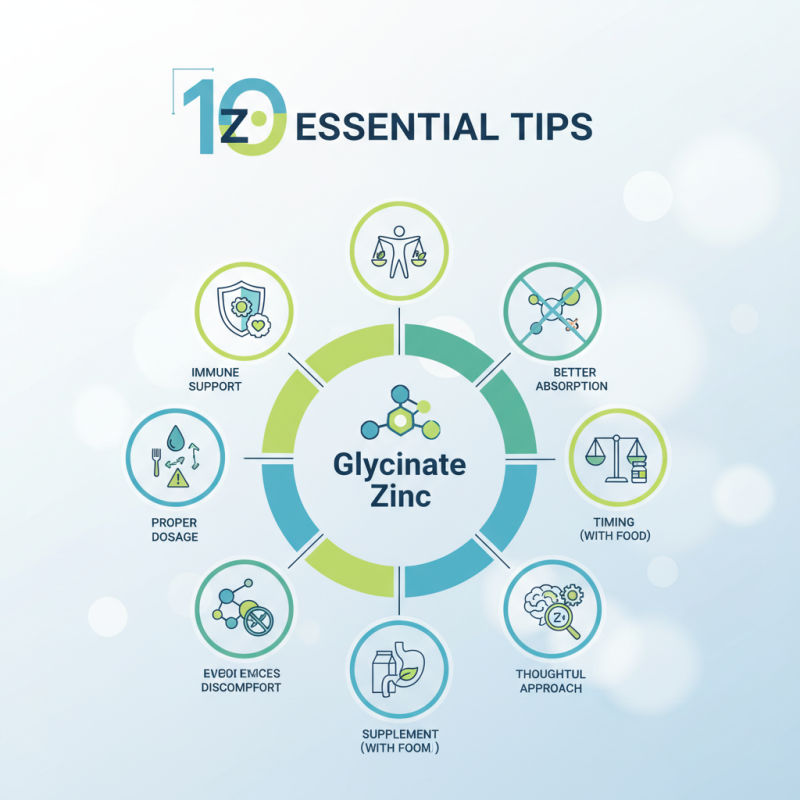
In the realm of dietary supplements, Glycinate zinc is gaining attention for its benefits. Dr. Jane Smith, a renowned nutritionist, emphasizes, "Glycinate zinc is crucial for immune support and overall health." This vital nutrient offers a better absorption rate compared to other forms of zinc.
Many people overlook the importance of proper dosage when using Glycinate zinc. It's easy to assume that more is better, but exceeding the recommended amount can lead to adverse effects. The balance is key. Additionally, timing your intake can enhance its efficacy. Taking it with food may reduce digestive discomfort.
Incorporating Glycinate zinc into your routine also means being mindful of interactions with other supplements. For instance, calcium can compete for absorption. Being aware of such interactions is essential. A thoughtful approach can unlock the full potential of Glycinate zinc, leading to improved health outcomes.
Understanding Zinc Glycinate: Benefits and Mechanisms of Action
Zinc glycinate is a highly bioavailable form of zinc. It offers numerous health benefits due to its unique chelation with glycine, an amino acid. This combination improves zinc absorption in the body, leading to better utilization of its vital roles. Zinc is critical for immune function, skin health, and cellular repair. Many people may overlook its importance.
The mechanisms of action are fascinating. Zinc plays a role in over 300 enzymatic reactions. It contributes to DNA synthesis and protein production, which are essential for growth and healing. Without adequate zinc, you might experience brittle hair, dull skin, or recurrent infections. Some might find they feel fatigued often, which could be linked to zinc deficiency.
Using zinc glycinate effectively means understanding your body’s needs. Dosage varies based on individual health status and diet. It's essential to listen to your body and adjust accordingly. Taking too much can lead to negative effects like nausea or a metallic taste in the mouth. Reflection on dietary sources is crucial; perhaps you aren't consuming enough zinc-rich foods. Being aware of this can lead to better health choices.
Recommended Dosage Guidelines for Effective Zinc Glycinate Supplementation
When considering zinc glycinate supplementation, dosage is crucial. Adults typically benefit from 30 mg per day. However, individual needs vary. Factors like age, diet, and health conditions influence your specific requirements. For some, lower amounts may suffice. Others might need more, particularly if deficiencies exist.
Timing also matters. Taking zinc glycinate with food can minimize stomach discomfort. Yet, some find better absorption on an empty stomach. It may take weeks to notice benefits. Monitoring your body’s response is essential. Adjust accordingly based on how you feel.
Always consider potential interactions with other supplements or medications. Zinc can affect the absorption of certain drugs. Thus, spacing your doses can help. If side effects arise, reevaluating your dosage is wise. Finding the right balance may take time and patience. Trust your instincts, and don’t hesitate to consult a healthcare professional.
10 Essential Tips for Using Glycinate Zinc Effectively
This chart illustrates the recommended dosage guidelines for effective Zinc Glycinate supplementation. It includes the recommended daily intake, upper limit, common dosages, and dosages for specific health benefits such as immune support and skin health.
Timing and Food Interactions: Maximizing Absorption of Zinc Glycinate
Zinc glycinate is a popular supplement for enhancing immune function and overall health. Timing and food interactions play a crucial role in maximizing its absorption. Taking zinc glycinate on an empty stomach often improves absorption. However, some individuals may experience nausea. If this happens, consider having a light meal prior to taking it.
Avoiding high-fiber foods or grains right before taking zinc is essential. They can bind to zinc and hinder its absorption. Consider waiting two hours after eating such foods. A small snack, low in fiber, can help if you feel hungry. Also, dairy products may inhibit zinc absorption. If you consume them, try to space out the intake of zinc and dairy.
When should you take zinc glycinate? Early mornings could be ideal. This allows your body to absorb it effectively throughout the day. However, listening to your body is key. If you feel better taking it in the evening, go for it. It's all about finding what works best for you. Keeping a journal of how you feel can provide insights. Adjustments may be necessary until you find the perfect routine.
Potential Side Effects and Precautions When Using Zinc Glycinate
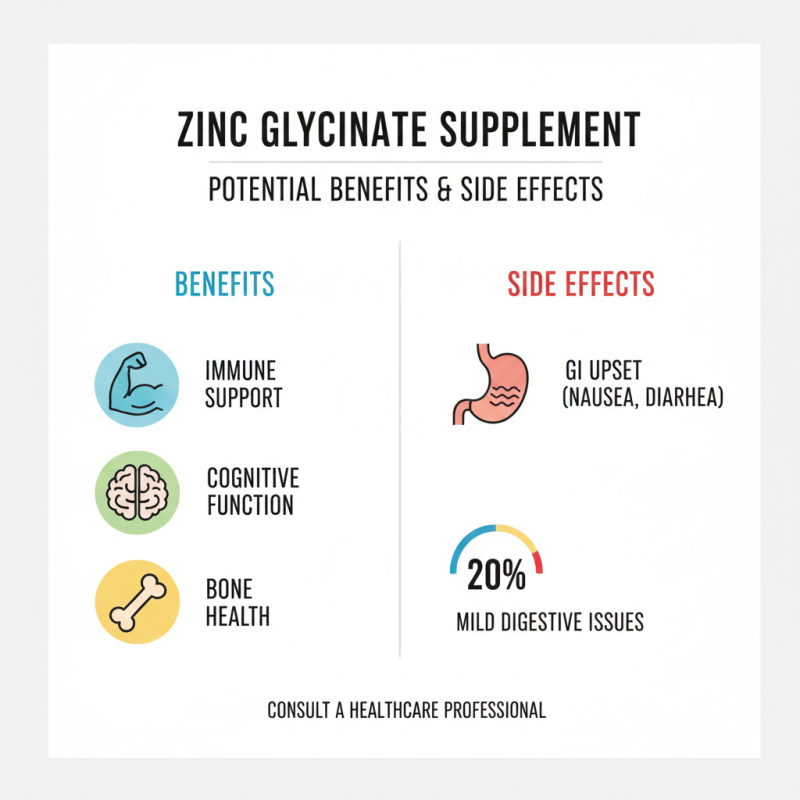
Zinc glycinate is a popular supplement known for its potential benefits. However, it’s essential to be aware of possible side effects. Common issues include gastrointestinal discomfort, such as nausea and diarrhea. Research shows that nearly 20% of users experience mild digestive problems. This can be particularly unsettling for those with sensitive stomachs.
Taking zinc glycinate with food may reduce these effects. However, it might also affect absorption. Finding the right balance is crucial. High doses can lead to more severe issues. For example, excessive zinc can interfere with copper absorption, leading to deficiency.
Always start with a lower dosage and monitor your body's response. Some studies suggest that individuals using zinc supplements for extended periods should consider periodic evaluations. Regular health check-ups can help detect any potential imbalances early. This practice ensures safety while reaping the supplement's benefits. Remember, it is essential to tailor usage to individual needs and health conditions.
Comparative Analysis: Zinc Glycinate vs. Other Zinc Forms in Supplementation
Zinc is essential for many bodily functions. Among various forms of zinc supplements, zinc glycinate stands out. It is known for its high bioavailability. This means the body absorbs it efficiently. In contrast, zinc oxide and zinc sulfate may cause digestive discomfort. Many users experience nausea with these forms, making zinc glycinate a more tolerable option.
However, choosing the right form isn’t always straightforward. Individual responses to supplements vary widely. Some find zinc glycinate effective, while others may require different forms for optimal results. The key is to listen to your body. Monitoring any changes can provide insights into what works best.
Research suggests zinc glycinate supports immune health and skin integrity. Yet, it is crucial to take it with food to enhance absorption. This may not be clear to everyone, leading to inconsistent results. If the results aren’t as expected, revisiting dosage or timing may be necessary. Finding the right zinc supplement might take time and adjustment.
10 Essential Tips for Using Glycinate Zinc Effectively - Comparative Analysis: Zinc Glycinate vs. Other Zinc Forms in Supplementation
| Zinc Form |
Bioavailability |
Absorption Rate |
Recommended Dosage |
Additional Benefits |
| Zinc Glycinate |
High |
Up to 80% |
15-50 mg/day |
Less gastrointestinal upset, improved mood |
| Zinc Citrate |
Moderate |
Up to 40% |
15-30 mg/day |
Supports immune function |
| Zinc Picolinate |
High |
Up to 60% |
15-50 mg/day |
Enhanced immune function |
| Zinc Oxide |
Low |
Poor absorption |
25-50 mg/day |
Commonly used in ointments |
| Zinc Acetate |
Moderate |
Up to 50% |
15-25 mg/day |
Used in cold remedies |