How to Use Food Attractants Effectively for Maximum Results in Fishing
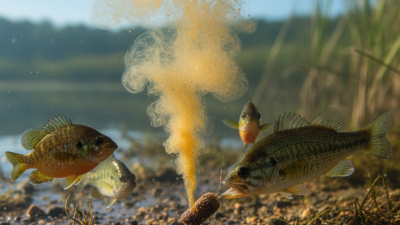
In the world of fishing, understanding the dynamics of attracting fish is paramount for success. Food attractants play a pivotal role in enhancing one’s catch by appealing directly to the sensory perception of various fish species. Renowned fisheries biologist Dr. Emily Carson states, "Effective use of food attractants not only increases the likelihood of a catch but also improves the overall fishing experience." This highlights the importance of strategically employing these substances to yield maximum results.
Utilizing food attractants can significantly change the way anglers approach fishing. By appealing to the natural instincts of fish, these attractants can provide a competitive edge even in the most challenging conditions. In the following sections, we will delve deeper into the effective techniques for using food attractants, ensuring that both novice and seasoned anglers can enhance their fishing endeavors and connect with aquatic life more successfully.
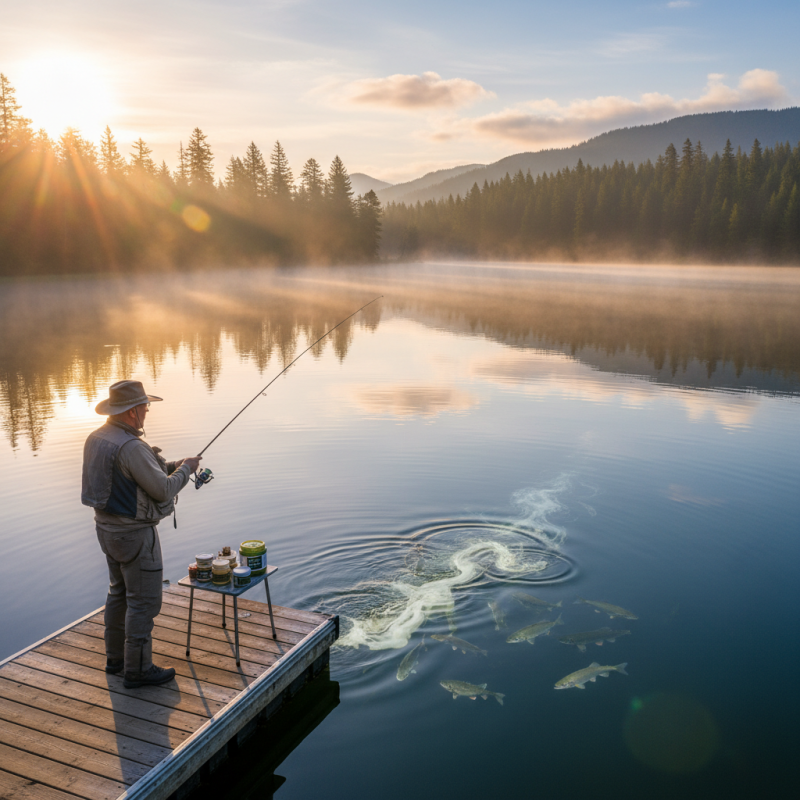
Understanding Food Attractants and Their Role in Fishing
Food attractants play a crucial role in the fishing industry, acting as enticing agents that lure fish to bait or lures. According to recent studies, including a report from the American Fishing Tackle Manufacturers Association, nearly 70% of anglers utilize some form of attractant in their fishing endeavors. These attractants can take various forms, including scents, flavors, or natural food particles, each designed to appeal to specific species of fish.
Understanding the biology and feeding behavior of target fish is essential to selecting the right attractant for maximum effectiveness.
Research indicates that fish have a highly developed sense of smell, with some species capable of detecting odors at concentrations as low as parts per billion. Scents such as anise or garlic can stimulate feeding responses in certain freshwater species, while saltwater fish may respond more favorably to fish oils or amino acids.
The strategic application of these food attractants not only increases the likelihood of a catch but can significantly enhance the overall fishing experience. By tailoring the attractant used to the species and conditions, anglers can improve their chances of success in their fishing outings.
Types of Food Attractants: Natural vs. Synthetic Options
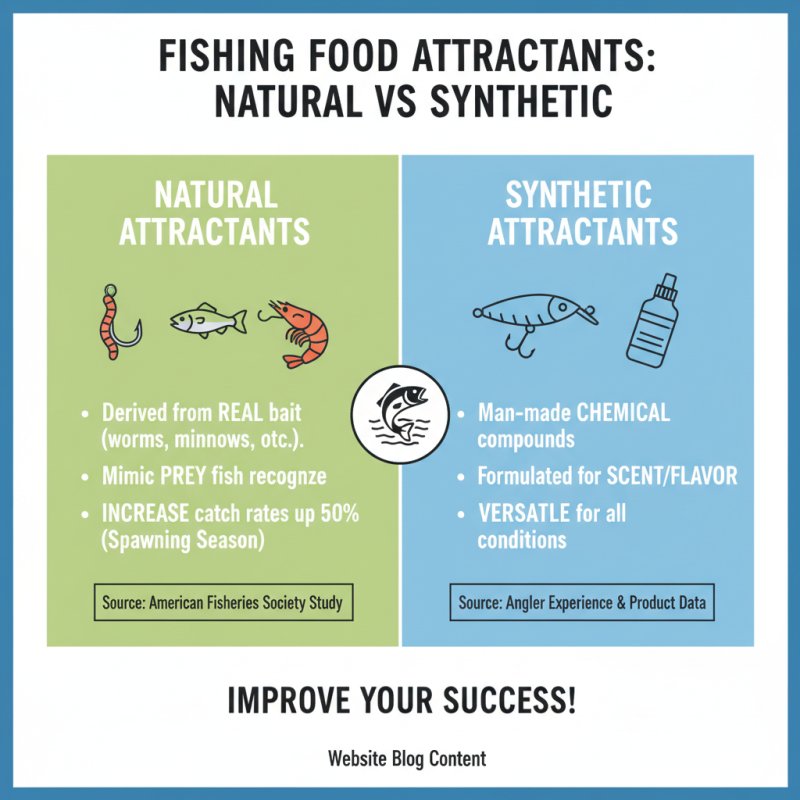
When it comes to improving your fishing success, understanding the differences between natural and synthetic food attractants can significantly influence your results. Natural food attractants, derived from real bait sources like worms, minnows, or crustaceans, tend to be favored by many anglers for their ability to mimic the prey that fish readily recognize. According to a study by the American Fisheries Society, natural baits can increase catch rates by up to 50% compared to using lures alone, particularly during the spawning season when fish are more active and feeding aggressively.
On the other hand, synthetic food attractants have gained popularity due to their convenience and the wide variety of scents and flavors available. These products are designed to create an alluring scent trail in the water, enticing fish from a distance. A report from the Fisheries Research Institute indicates that anglers using synthetic attractants experienced a 30% increase in strike rates when compared to anglers using generic lures without any enhancement. It’s essential to choose the right attractant based on the species of fish you are targeting and the environmental conditions.
**Tips:**
1. Experiment with both natural and synthetic attractants to determine which yields better results in your local waters.
2. Pay attention to water temperature and fish behavior; certain conditions may favor one type of attractant over the other.
3. Consider using a combination of natural bait and synthetic scents to create a more potent attractant effect, especially in murky waters where visibility is low.
How to Choose the Right Food Attractant for Your Fishing Environment
Choosing the right food attractant is crucial for success in fishing, as it plays a significant role in luring fish to your bait. Different fishing environments, such as freshwater lakes, rivers, or saltwater areas, present unique challenges and require specific attractant selections. For instance, if you're fishing in a murky river, a strong-scented attractant that disperses well in the water can help draw fish from a distance. On the other hand, in clearer waters, subtle scents may be more effective, mimicking the natural food sources available to aquatic life.
Understanding the types of fish targeted is also vital when selecting a food attractant. Species vary in their feeding habits and preferences; for example, catfish are often attracted to strong-smelling baits, while bass may respond better to more natural scents. Additionally, seasonal changes can influence fish behavior, making it important to adjust attractant choices accordingly. Researching the local ecosystem and observing what other anglers are using can provide valuable insights into which foods are most effective in attracting your desired catch in a particular location.
Effectiveness of Different Food Attractants in Fishing
Best Practices for Applying Food Attractants for Optimal Results
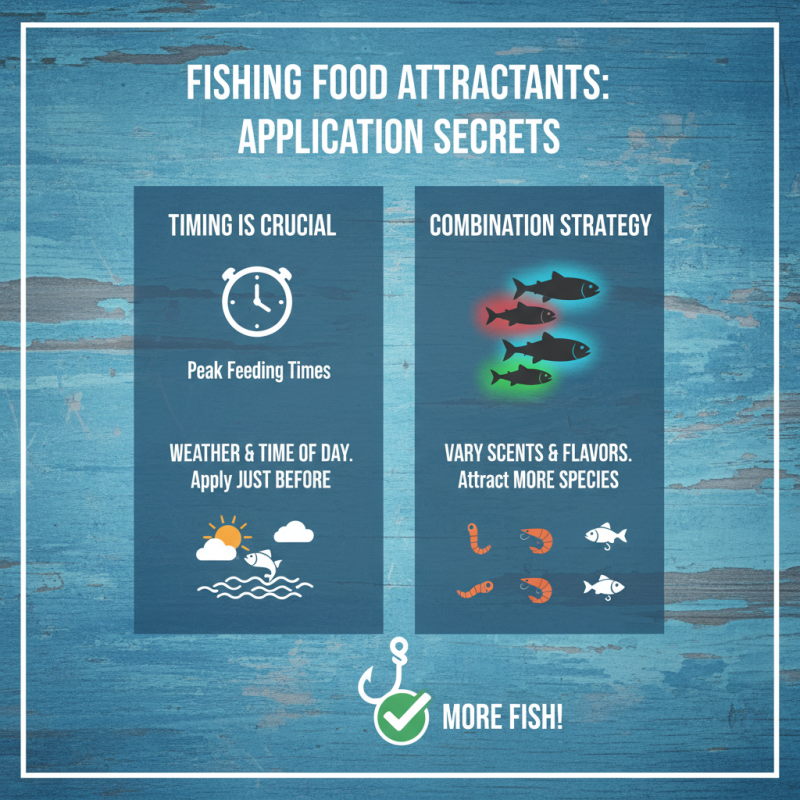
When it comes to using food attractants for fishing, the key to success lies in the application methods. First, timing is crucial. Fish are more likely to respond to attractants during periods of their natural feeding times, which are often influenced by factors such as weather conditions and time of day. Applying food attractants just before these peak feeding times can significantly increase your chances of catching more fish. Additionally, using a combination of attractants can effectively appeal to various species, as different fish may respond to different scents and flavors.
Another best practice is to strategically place attractants in areas where fish are known to congregate. This could be near structures like rocks, vegetation, or drop-offs where fish often hunt for food. Using the right amount is also essential – too little might not create a noticeable scent trail, while too much could overwhelm the fish, leading to a lack of interest. Experimenting with different methods of application, such as using a spray, soaking baits, or adding them to the fishing area, will help you determine what works best in your specific fishing location. By combining timing, placement, and quantity, anglers can maximize their fishing results through effective use of food attractants.
Timing and Location: Maximizing the Effectiveness of Food Attractants
When using food attractants in fishing, timing and location are crucial factors that can significantly enhance their effectiveness. Understanding the natural feeding habits of fish can help anglers identify the optimal times to deploy attractants. For instance, early mornings and late evenings often coincide with peak feeding activity, particularly for species like bass and catfish. By timing the application of food attractants during these periods, anglers can increase their chances of drawing fish to their bait.
Location also plays a pivotal role in the success of using food attractants. Each aquatic environment presents unique features that attract fish, such as structures like rocks, weed beds, and drop-offs. Positioning bait where these features are present can create a compelling scenario for fish searching for food. Additionally, factors such as water temperature, currents, and seasonal changes should inform the choice of location. By carefully selecting areas where fish are likely to congregate and using attractants to enhance the appeal of bait, anglers can effectively maximize their results while fishing.
How to Use Food Attractants Effectively for Maximum Results in Fishing - Timing and Location
| Attractant Type |
Best Timing |
Effective Locations |
Target Species |
Duration of Effectiveness |
| Scent Bait |
Early Morning & Late Evening |
Shallow Waters, Weedy Areas |
Bass, Trout |
1-2 hours |
| Fish Oil |
Mid-Morning |
River Mouths, Docks |
Catfish, Panfish |
2-3 hours |
| Sweet Corn |
Noon |
Lakes, Ponds |
Carp, Koi |
3-4 hours |
| Artificial Lures |
Afternoon |
Open Water, Drop-offs |
Pike, Walleye |
Varies with Water Temperature |