Copper Glycinate Benefits and Usage Tips You Should Know?
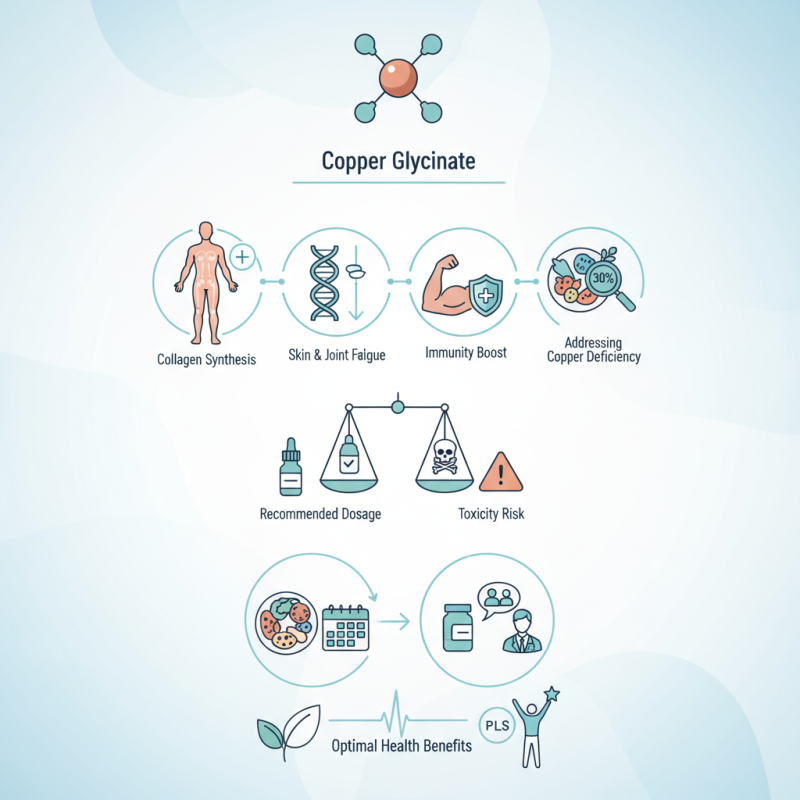
Copper Glycinate is gaining attention in the health industry for its numerous benefits. Research indicates that this supplement is more bioavailable than traditional copper sources. According to a study published in the *Journal of Nutritional Biochemistry*, Copper Glycinate aids in collagen synthesis, which is crucial for skin and joint health.
Many people are unaware of their copper deficiency, which may lead to issues like fatigue and weakened immunity. The World Health Organization has reported that up to 30% of the global population may lack sufficient copper intake. This deficiency highlights the importance of supplements like Copper Glycinate. While it can be beneficial, individuals need to consider recommended dosages carefully. Too much copper can lead to toxicity, which is not often discussed.
Incorporating Copper Glycinate into your routine can offer substantial health benefits. However, it is essential to remember that supplementation should not replace a balanced diet. Regular consultations with healthcare providers are crucial for safe usage. Understanding how Copper Glycinate can fit into your health regimen is vital for optimal benefits.
Benefits of Copper Glycinate for Health and Wellness
Copper glycinate is gaining attention in the wellness community. This chelated form of copper offers impressive benefits for health. Research highlights copper's role in collagen formation and energy production. A study published in the "Journal of Nutrition" emphasizes copper's necessity for iron metabolism. Adequate copper levels can improve heart health. It aids the body in absorbing iron, reducing anemia risk.
Tips: Consider incorporating copper glycinate into your daily routine. It's essential to pair it with a balanced diet. Foods rich in zinc can enhance its benefits.
Copper also supports the immune system. It acts as an antioxidant, combating oxidative stress. A review from the "American Journal of Clinical Nutrition" noted that copper deficiency may lead to increased inflammation. For those looking to improve joint health, copper glycinate might be particularly beneficial.
Tips: Monitor your body's response to supplemental copper. Not everyone needs additional copper, and excess can be harmful. Start with small doses and consult a healthcare provider if unsure.
How Copper Glycinate Supports Immune Function and Antioxidant Activity
Copper glycinate is gaining attention for its health benefits. This compound supports immune function and enhances antioxidant activity. It contains copper, a vital mineral for our body. Copper plays a role in iron metabolism and nerve health.
Antioxidants are crucial for fighting oxidative stress. Copper glycinate helps boost the body's natural defenses. The immune system requires zinc and copper. These minerals work together to maintain balance. They improve the effectiveness of immune cells. Increasing copper levels may help in managing infections.
However, it's essential to consider dosage. Too much copper can lead to toxicity. Balance is key, and everyone is different. Some may need more, while others may require less. Consulting a healthcare professional is advisable. Incorporating copper glycinate into your routine can help, but be mindful of your body's needs.
Usage Instructions: Optimal Dosage and Administration of Copper Glycinate
When considering copper glycinate, understanding the optimal dosage is essential. It is generally recommended for adults to start with 1-2 mg per day. Adjust doses based on individual needs. Some may require more, while others need less. Always consult a healthcare professional before beginning any supplement.
Administer copper glycinate ideally with food. This can enhance absorption. Taking it alongside meals may reduce digestive discomfort. Stay consistent with timing to maximize benefits. Daily reminders can help in maintaining this routine.
Monitor how your body responds. Some may experience improvements in energy levels or skin health. However, be aware of potential side effects like nausea or headaches. Keeping a journal of your experience can aid in identifying any patterns. Copper glycinate can be beneficial, but personal reflections on its effects are crucial.
Potential Side Effects and Precautions When Using Copper Glycinate
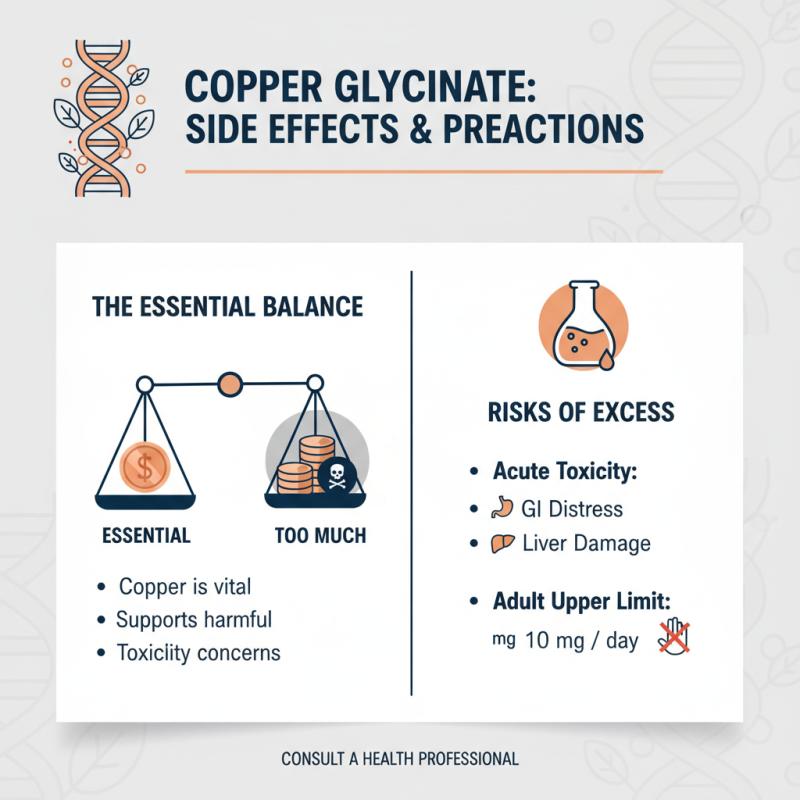
When considering copper glycinate, it’s important to be aware of potential side effects and necessary precautions. Copper is essential, but too much can be harmful. Excessive copper intake can lead to toxicity. Reports indicate that acute copper toxicity may result in gastrointestinal distress and liver damage. The tolerable upper intake level for adult copper is set at 10 mg per day.
Some individuals may experience allergic reactions. Symptoms can include itching, rashes, or even gastrointestinal issues. Monitoring how your body responds is vital. People with Wilson’s disease should avoid copper supplements entirely. Pregnant and breastfeeding women must consult healthcare providers before taking copper glycinate.
Inadequate dosing practices are another concern. Over-supplementation can occur easily if proper guidelines are not followed. It's wise to use copper glycinate under professional supervision. Always prioritize a balanced diet. Whole foods can provide necessary copper, reducing the need for supplements. Nutrient synergy matters; excessive copper may interfere with zinc absorption, leading to deficiencies over time.
Comparing Copper Glycinate to Other Copper Supplements: What to Know
When considering copper supplements, it's essential to compare copper glycinate with other forms. Unlike copper sulfate, copper glycinate is chelated. This means it's bound to glycine, making it more bioavailable. As a result, your body can absorb it more efficiently. You might notice fewer side effects, too. Some people experience stomach upset with other forms.
One interesting aspect is how copper glycinate can benefit overall health. It's known for supporting the immune system and promoting healthy skin. For those who struggle with joint pain, copper may provide relief. But individual responses can vary. It’s essential to monitor how your body reacts.
Tips for using copper glycinate include starting with a lower dosage. Gradually increase it while observing any changes. Taking it on an empty stomach may enhance absorption, yet some find it easier with meals. Always consider individual health needs and consult a healthcare provider if unsure. This helps in making informed choices. The balance between benefits and potential side effects is crucial.