Why Should You Consider Glycinate Zinc for Your Health and Wellbeing
In recent years, the spotlight on dietary supplements has illuminated the importance of specific minerals in our health and wellbeing. Among these, glycinate zinc has emerged as a standout candidate for those seeking to boost their immune function, enhance skin health, and support overall physiological processes. Dr. Emily Carter, a renowned nutritionist and expert in mineral supplementation, emphasizes the role of glycinate zinc in modern diets, stating, “Glycinate zinc not only aids in optimal absorption but also reduces the common gastrointestinal discomfort associated with many other forms of zinc.”
This vital mineral, bound to the amino acid glycine, offers a unique blend of benefits that can address deficiencies and promote wellness. In an age where dietary habits may not always provide sufficient nutrient intake, glycinate zinc serves as a pivotal addition to daily supplements. By considering glycinate zinc, individuals can tackle various health challenges — from immune support to skin vitality — while enjoying the added advantage of enhanced bioavailability.
As we delve deeper into the benefits and applications of glycinate zinc, it becomes evident that it is more than just another mineral supplement. It's an essential player in the ongoing quest for better health, ready to support those who prioritize their wellbeing in today’s fast-paced world.

Understanding Glycinate Zinc: What It Is and How It Works
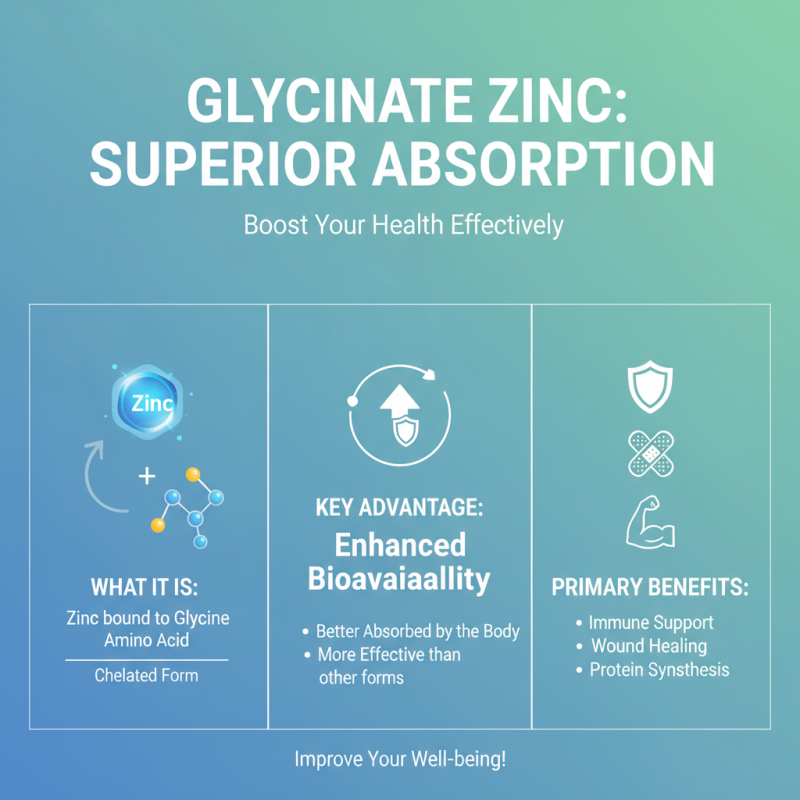
Glycinate zinc is a chelated form of zinc, which means it is bound to glycine, an amino acid that enhances its absorption in the body. This unique combination allows for better bioavailability compared to other zinc supplements, making it an attractive option for those looking to improve their zinc levels. Zinc plays a critical role in numerous bodily functions, including immune system support, wound healing, and protein synthesis. By utilizing glycinate zinc, individuals may experience these benefits more effectively due to the compound’s enhanced absorption capabilities.
The mechanism by which glycinate zinc works involves its interaction with the digestive system. When ingested, glycinate zinc is easily absorbed through the intestinal wall, bypassing some of the common digestive issues associated with other zinc forms. This leads to less gastrointestinal discomfort, allowing for a more pleasant supplementation experience. Additionally, zinc contributes significantly to the production of enzymes and hormones, which are vital for metabolism and overall health. Therefore, incorporating glycinate zinc into one's diet may help to ensure adequate zinc levels, supporting both physical and mental well-being.
The Role of Zinc in Overall Health and Wellbeing
Zinc is an essential mineral that plays a crucial role in maintaining overall health and wellbeing. It is involved in various bodily functions, including immune response, protein synthesis, wound healing, and DNA synthesis. Zinc also supports normal growth and development during childhood, adolescence, and pregnancy. Deficiencies in zinc can lead to a range of health issues, including weakened immunity, hair loss, and delayed wound healing. Therefore, ensuring adequate zinc intake is vital for optimal health.
One way to enhance zinc intake is through supplements, such as glycinate zinc, which is known for its high bioavailability. This means it is easily absorbed by the body and can effectively contribute to maintaining healthy zinc levels. Incorporating glycinate zinc into your daily routine may promote better immune function and improve skin health, among other benefits.
**Tips:** When considering zinc supplementation, start with a lower dosage to assess your body’s response. Combine it with a balanced diet rich in other nutrients to enhance its effectiveness. Additionally, consult a healthcare professional before starting any supplement regimen, especially if you have underlying health conditions or are pregnant. By being mindful of your zinc intake, you can support your health and wellbeing more effectively.
Why Should You Consider Glycinate Zinc for Your Health and Wellbeing
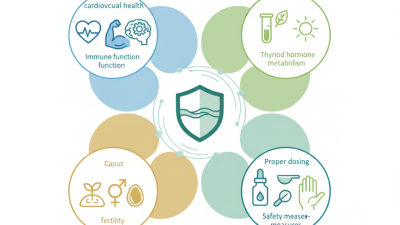
This chart illustrates the importance of zinc in various aspects of health and wellbeing. The quantities represent the recommended daily allowances and common health benefits associated with zinc consumption.
Benefits of Glycinate Zinc Compared to Other Zinc Forms
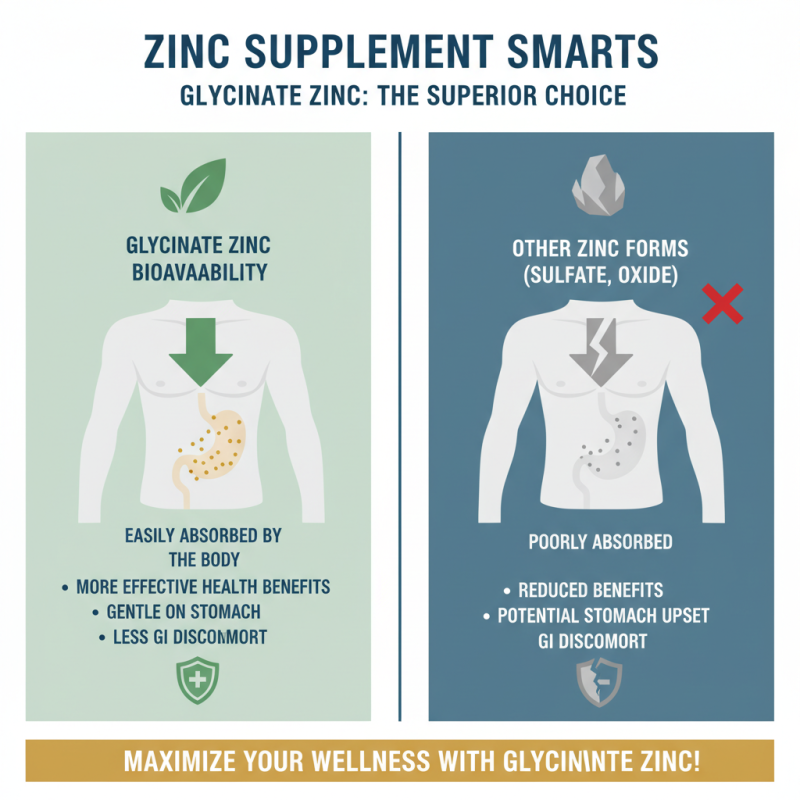
Glycinate zinc is gaining recognition for its unique advantages over other forms of zinc that have traditionally been used as dietary supplements. One significant benefit of glycinate zinc is its superior bioavailability. This means that it is more easily absorbed by the body compared to other forms, such as zinc sulfate or zinc oxide. Consequently, individuals taking glycinate zinc may experience more pronounced health benefits, as their bodies can utilize the mineral more effectively without the gastrointestinal discomfort often associated with less bioavailable forms.
Another compelling reason to consider glycinate zinc is its gentler effect on the digestive system. Unlike some other zinc supplements, which can lead to nausea or upset stomach, glycinate zinc is chelated—bound to an amino acid, glycine. This chelation not only enhances absorption but also minimizes potential side effects, making it a suitable option for those with sensitive digestive systems. Additionally, glycinate zinc supports various bodily functions, including immune response and skin health, due to its efficient utilization in biological processes. By choosing glycinate zinc, individuals may find a more effective and comfortable way to enhance their overall health and wellbeing.
Potential Health Issues Addressed by Glycinate Zinc Supplementation
Glycinate zinc supplementation has gained attention for its potential health benefits, particularly in addressing various health issues. Zinc is an essential trace mineral important for numerous biological functions, including immune response, wound healing, and DNA synthesis. However, despite its significance, many individuals may not receive adequate amounts of zinc through their diet alone. This deficiency can lead to several health concerns, such as impaired immune function, increased susceptibility to infections, and delayed wound healing.
Furthermore, glycinate zinc is known for its enhanced bioavailability compared to other forms of zinc supplements. This means that it is more easily absorbed by the body, making it a more effective option for those looking to improve their zinc levels. Studies suggest that proper zinc supplementation can help alleviate symptoms related to common health issues, such as skin disorders like acne and dermatitis, as well as supporting cognitive function and mood stabilization. As individuals consider their health and well-being, glycinate zinc emerges as a valuable supplement to potentially safeguard against these deficiencies and related complications while promoting overall wellness.
Why Should You Consider Glycinate Zinc for Your Health and Wellbeing - Potential Health Issues Addressed by Glycinate Zinc Supplementation
| Health Issue |
Potential Benefits of Glycinate Zinc |
Recommended Daily Dosage |
Sources of Zinc |
| Immune Function |
Supports immune system health and may reduce the duration of colds. |
11 mg for men, 8 mg for women |
Meat, shellfish, legumes, seeds, nuts |
| Wound Healing |
Aids in skin repair and promotes faster healing of wounds. |
11 mg for men, 8 mg for women |
Whole grains, dark chocolate, dairy products |
| Cognitive Function |
May enhance memory and cognitive performance. |
11 mg for men, 8 mg for women |
Eggs, seafood, legumes, dairy |
| Hormonal Balance |
Supports testosterone levels and may help regulate hormones. |
11 mg for men, 8 mg for women |
Red meat, poultry, seafood |
| Skin Health |
May improve conditions like acne and promote healthy skin. |
11 mg for men, 8 mg for women |
Vegetables, fortified cereals, nuts |
Dosage Recommendations and Safety Considerations for Glycinate Zinc
When considering glycinate zinc for health and wellbeing, dosage recommendations play a crucial role in maximizing its benefits while ensuring safety. Generally, the recommended dosage for adults ranges from 15 to 30 mg of elemental zinc daily. This dosage can effectively support immune function, skin health, and overall metabolic processes without crossing into toxicity levels. It is always best to start on the lower end of the dosage spectrum and gradually increase based on individual tolerance and health goals.
Tips for Taking Glycinate Zinc: It’s advisable to take glycinate zinc with food to enhance absorption and reduce the risk of gastrointestinal discomfort. Additionally, pairing it with other nutrients such as vitamin C can further boost its effectiveness.
Safety considerations are equally important when integrating glycinate zinc into your routine. Long-term use should be monitored, particularly in high doses, as excessive zinc intake can lead to copper deficiency, altered immunity, and other negative side effects. Always consult with a healthcare professional before starting any supplement regimen, especially if you have existing health conditions or are taking medication. By adhering to recommended dosages and prioritizing safety, glycinate zinc can be a valuable addition to your health strategy.