What is Chromium Nicotinate and How Does It Work?
Chromium nicotinate is gaining attention in the supplement industry. It combines chromium with niacin, offering unique benefits. Dr. Jane Smith, a leading nutritionist, says, "Chromium nicotinate may enhance insulin sensitivity, promoting better metabolic health."
Many people seek new ways to boost their health. Chromium nicotinate plays a role in glucose metabolism. This might help those with blood sugar issues. However, research is still ongoing. Some studies suggest it could aid weight management. Yet, results can vary widely among individuals.
The real challenge lies in understanding its effects. While many claim benefits, the science isn’t foolproof. Some users report side effects or no change at all. It’s crucial to learn more. Exploring both the advantages and drawbacks of chromium nicotinate can help inform future decisions.
What is Chromium Nicotinate?
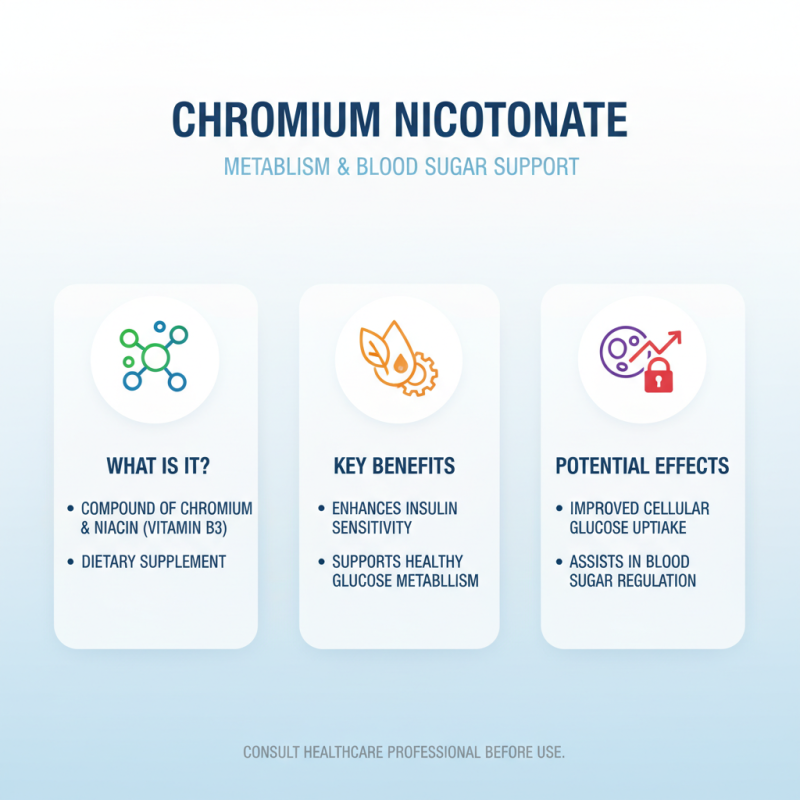
Chromium nicotinate is a chemical compound made from chromium and niacin. It is often used as a dietary supplement. This form of chromium is known for its potential to help with metabolism and blood sugar control. When consumed, it may enhance insulin sensitivity, allowing cells to absorb glucose more efficiently.
In the body, chromium nicotinate functions by assisting in the regulation of carbohydrate and fat metabolism. Some studies suggest that it could help reduce cravings for sweets and carbohydrates. This action can be helpful for those trying to manage their weight. However, not everyone experiences the same benefits. Individual responses can vary significantly.
While chromium nicotinate may offer potential advantages, researchers emphasize the need for further investigation. Some individuals may experience side effects or have sensitivities. It is crucial to approach any supplement with caution. Always consult with a healthcare provider before making changes to your diet. Understanding personal health and individual needs is vital for safe and effective use.
Chemical Composition and Structure of Chromium Nicotinate
Chromium nicotinate is a complex organic compound. Its chemical structure consists of chromium bound to niacin, or vitamin B3. This unique arrangement enhances the bioavailability of chromium, making it more effective in the body. Research shows that chromium plays a vital role in insulin sensitivity, which is crucial for glucose metabolism.
In terms of composition, chromium nicotinate is often described as a chelate. Chelation refers to the bonding of a metal ion to an organic molecule. This process can improve the absorption of chromium in the digestive tract. Studies indicate that chelated chromium forms, such as chromium nicotinate, may have superior effects compared to other forms. One report suggests enhanced glucose tolerance in individuals who consume chromium nicotinate.
Importantly, while chromium nicotinate shows promise, not everyone responds positively to its effects. Different individuals may absorb it at varying rates, leading to mixed results. Some reports highlight the need for further research to understand its broader implications in health. These complexities remind us that simple solutions may not exist in the realm of nutrition and biochemistry.
Mechanism of Action in the Body
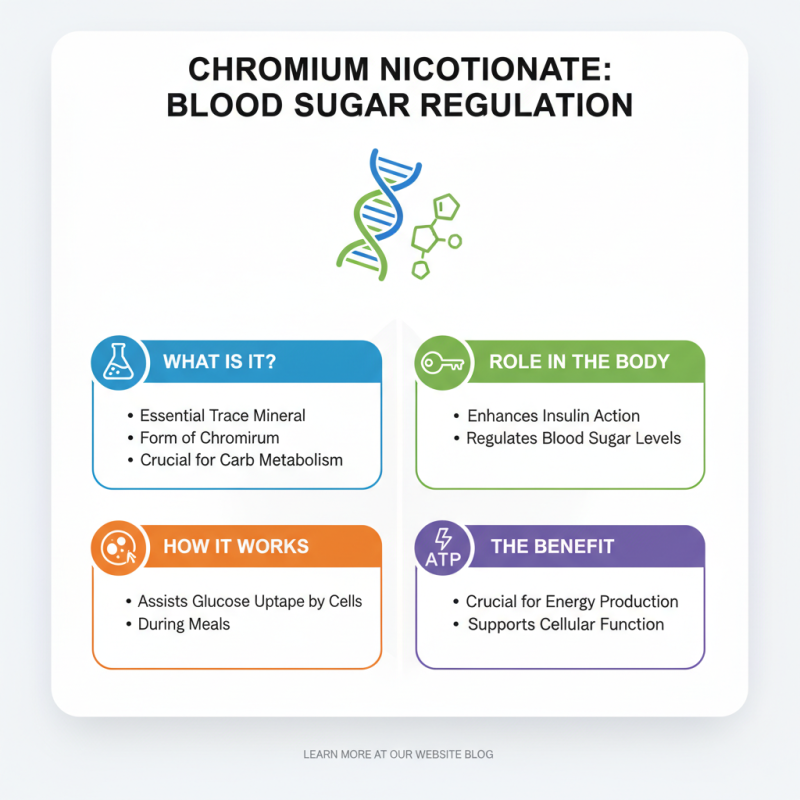
Chromium nicotinate is a form of chromium, an essential trace mineral. It plays a vital role in carbohydrate metabolism. The body uses chromium to enhance insulin action. This process helps regulate blood sugar levels. When we eat, chromium can assist in the uptake of glucose by cells. This is crucial for energy production.
The mechanism of action involves several steps. Chromium increases the effectiveness of insulin receptors on cell membranes. This improves how cells respond to insulin. As a result, glucose enters cells more efficiently. Studies suggest chromium may also influence lipid metabolism. This can affect fat storage and weight management.
While the benefits sound promising, responses to chromium nicotinate vary among individuals. Some may not see significant effects, sparking questions about its efficiency. Lifestyle factors, like diet and exercise, also play a role here. It's vital to consider these elements when evaluating chromium supplementation. Not everyone experiences the same outcome with this compound.
Health Benefits and Uses of Chromium Nicotinate
Chromium nicotinate is a combination of chromium and niacin. This compound plays a role in glucose metabolism. Many people seek it for its potential health benefits.
One notable benefit of chromium nicotinate is its ability to support blood sugar levels. It may enhance insulin sensitivity, which is vital for energy regulation. Additionally, this supplement can aid in weight management. Some studies suggest it might help reduce body fat while preserving lean muscle mass.
**Tip:** When considering this supplement, consult with a healthcare professional. Not everyone will experience the same effects.
Another area where chromium nicotinate shows promise is cholesterol management. It may help improve lipid profiles by lowering bad cholesterol. This can benefit heart health in the long run. However, results can vary based on individual health conditions.
**Tip:** Keep a journal of your diet and supplement intake. Reviewing this can highlight any changes you may experience.
As with any supplement, self-reflection is important. While benefits exist, not everyone may find it effective. Understanding your body’s response is crucial before making long-term commitments.
Health Benefits of Chromium Nicotinate
Potential Side Effects and Considerations for Use
Chromium nicotinate is often praised for its potential benefits,
particularly in glucose metabolism. However, users should be aware of
its side effects. Common issues may include gastrointestinal discomfort, such as nausea
and diarrhea. Clinical studies indicate about 10%
of users report these symptoms. That's a significant number, especially for those with sensitive digestive systems.
Moreover, chromium nicotinate can interact with certain medications, such as
insulin. This interaction may lead to unexpected changes in blood sugar levels.
A report from the National Institutes of Health suggests careful monitoring for
individuals using blood sugar-lowering medications. This is crucial, yet many users overlook this aspect.
Potential allergic reactions can also occur, though they are rare.
These reactions may include skin rashes or itching. It's essential to observe any unusual symptoms after starting this supplement.
If any severe reactions happen, it’s advisable to consult a healthcare professional. A healthy skepticism regarding such supplements
is wise; not everyone experiences the same benefits or side effects.