What is Chromium Nicotinate and its Health Benefits?
Chromium nicotinate is gaining attention for its potential health benefits. Dr. Sarah Thompson, a leading nutritionist, states, "Chromium nicotinate plays a vital role in regulating blood sugar levels." This compound combines chromium with niacin, improving absorption in the body. As research progresses, we see more interest from health enthusiasts.
Many people look to chromium nicotinate for managing weight and improving metabolic function. It may aid in reducing cravings and stabilizing blood glucose levels. However, it is crucial to approach it with caution. Not everyone responds equally. Some individuals may not experience significant benefits.
The growing popularity of chromium nicotinate raises questions about its overall effectiveness. Are we overlooking its limitations? Discussions surrounding this compound remind us to consider personal health goals carefully. A balanced diet and exercise remain essential. Exploring supplements should never replace these foundations.

Definition and Composition of Chromium Nicotinate
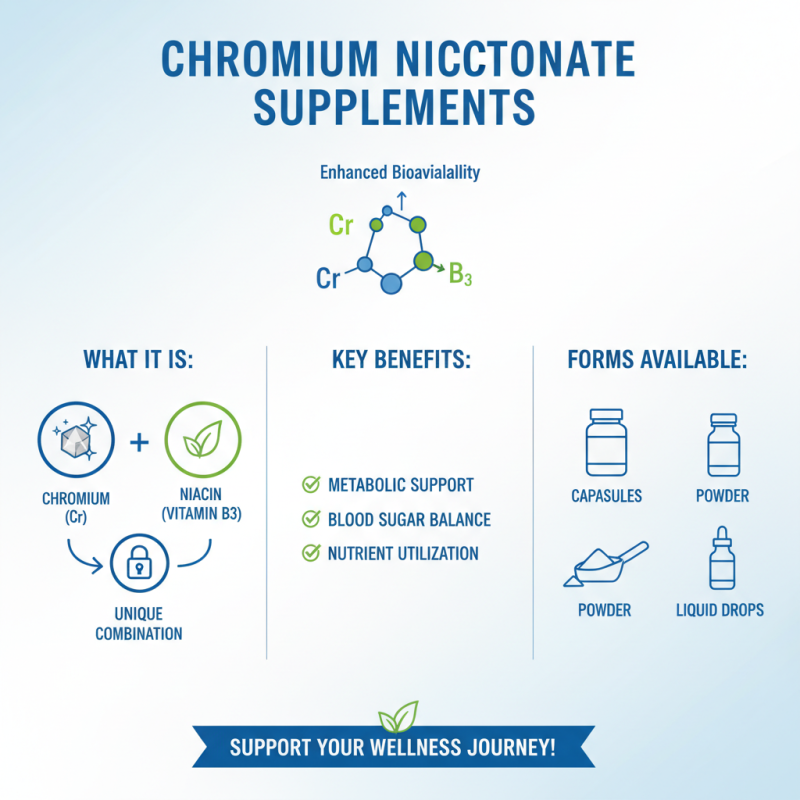
Chromium nicotinate is a compound where chromium is combined with niacin, or vitamin B3. This combination makes it an interesting dietary supplement. It plays a role in insulin sensitivity and glucose metabolism. This is critical for people aiming to maintain healthy blood sugar levels.
In terms of its composition, chromium nicotinate contains both chromium and niacin. Chromium is a trace mineral, essential for various bodily functions. Niacin, on the other hand, helps convert food into energy. Together, they create a supplement that may support metabolism in unique ways. Yet, individual responses can vary widely. Some may experience benefits, while others find little to no difference.
The interaction between these two compounds is noteworthy. However, the science behind it is still evolving. People should approach chromium nicotinate with an open mind, but also with caution. What works for one may not work for another. Further research is always needed to fully understand its effects on health.
Role of Chromium in Human Health
Chromium plays a vital role in human health. It is a trace mineral that helps regulate blood sugar levels. This regulation is essential for those with insulin resistance. People with diabetes may find chromium especially beneficial. Studies suggest that chromium can enhance insulin sensitivity, improving glucose metabolism.
Moreover, chromium is involved in lipid metabolism. It aids in the breakdown of fats in the body. This can contribute to heart health. However, the effectiveness of chromium can vary among individuals. Not everyone experiences the same benefits. Some may even find supplements ineffective, leading to frustration.
Additionally, chromium can influence appetite control. It may help reduce cravings, particularly for sweets. However, relying solely on chromium for weight loss is unrealistic. Balanced eating and regular exercise remain crucial. The journey to health is complex. Understanding chromium's role is just one piece of the puzzle.
Health Benefits Associated with Chromium Nicotinate
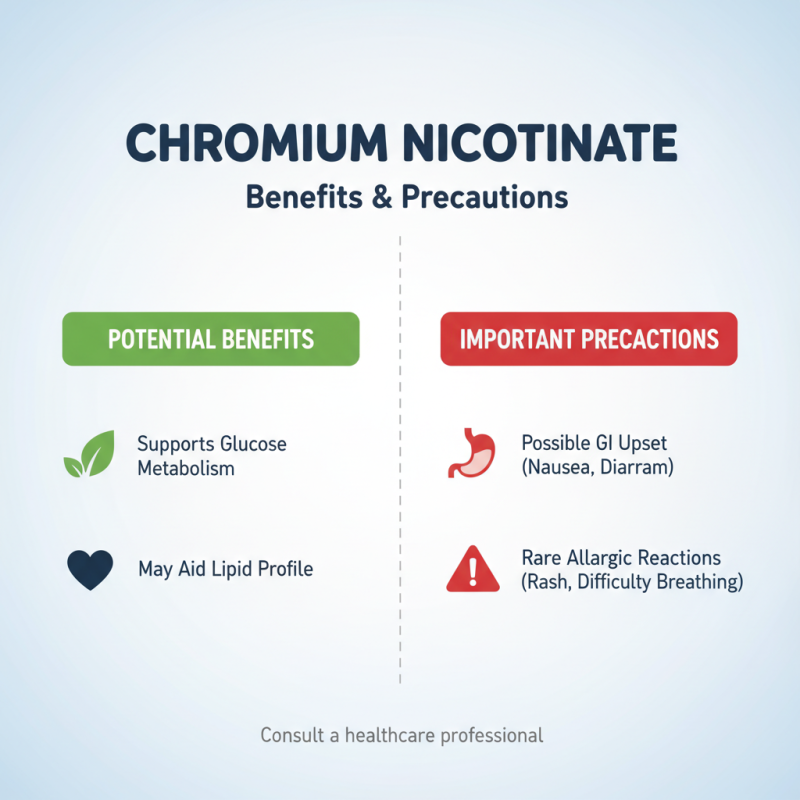
Chromium nicotinate is a compound that combines chromium with niacin. This combination may enhance the body's ability to handle insulin. Some studies indicate that chromium may improve glucose metabolism. This can be vital for maintaining balanced blood sugar levels.
Research shows that chromium nicotinate may reduce body fat and increase muscle mass. In one study, participants who took chromium lost more weight compared to those who didn’t. This suggests that chromium can play a role in weight management. Additionally, it may aid in appetite control. Some users report feeling less hungry.
Furthermore, chromium nicotinate may influence cholesterol levels. A review from a health journal indicates that it can lower LDL cholesterol and increase HDL cholesterol. This balance is crucial for cardiovascular health. However, more research is needed for definitive results. Individual responses can vary significantly. Users should proceed with caution and consult healthcare professionals when considering supplements like chromium nicotinate.
Health Benefits of Chromium Nicotinate
Chromium nicotinate is known for its various health benefits. The following chart illustrates the potential health benefits based on a survey of individuals who have incorporated chromium nicotinate into their diets.
Sources and Forms of Chromium Nicotinate Supplements
Chromium nicotinate is a popular dietary supplement known for its potential health benefits, including supporting metabolic health. It is a combination of chromium and niacin, offering enhanced bioavailability. Various forms of chromium nicotinate supplements are available, catering to diverse health needs.
Common sources include capsules and tablets. These forms are convenient for individual use. Some people prefer powder forms, which can be mixed into smoothies or shakes. Reports indicate that over 30% of adults consider dietary supplements to improve their health. However, adherence to recommended dosages is crucial. Too much chromium can lead to adverse effects, such as gastrointestinal issues.
In the market, not all supplements are created equal. Variability in manufacturing can affect quality. Research highlights that a significant portion of supplements may not contain what they claim. Therefore, individuals should choose sources carefully. Engaging with healthcare professionals can ensure safe use. While chromium nicotinate may offer benefits, users need to be cautious and well-informed.
Potential Side Effects and Precautions of Chromium Nicotinate
Chromium nicotinate is often praised for its potential health benefits. However, it is essential to be aware of its possible side effects and necessary precautions. While many individuals tolerate this supplement well, some may experience adverse reactions. Reports indicate that gastrointestinal issues, such as nausea and diarrhea, can occur in susceptible individuals. More severely, allergic reactions, though rare, may lead to symptoms like rash or difficulty breathing.
Certain health conditions can amplify these risks. Individuals with diabetes should proceed with caution. Chromium nicotinate affects insulin sensitivity, which can pose challenges for blood sugar control. Moreover, those on medications for diabetes or other chronic conditions should consult healthcare professionals before use. The interactions can complicate treatment and lead to unintended side effects.
Minimal research addresses the long-term safety of chromium nicotinate. Some studies suggest a threshold for daily intake, generally not exceeding 1,000 micrograms. Exceeding this amount may not only be ineffective but could also impact health negatively. As our understanding of supplements evolves, a careful approach to chromium nicotinate is prudent. Awareness of personal health and external factors remains crucial in making informed choices regarding its use.