Top 10 Tips for Choosing the Right Mineral Premix for Your Livestock
As livestock production continues to evolve, the importance of a well-balanced diet cannot be overstated. One critical component of livestock nutrition is the use of mineral premixes, which provide essential vitamins and minerals that enhance animal health, growth, and productivity. Dr. John Smith, a renowned expert in animal nutrition, once stated, “Selecting the right mineral premix can make the difference between thriving livestock and those that struggle to reach their full potential.” His insight underscores the necessity for farmers and producers to carefully consider their choice of mineral premix.
In the pursuit of optimal livestock health, understanding the nuances of mineral premix selection is vital. Not all premixes are created equal; they vary significantly in composition, quality, and suitability for different types of livestock. This guide aims to provide valuable tips for making informed decisions that align with specific nutritional requirements, thus ensuring that livestock receive the right balance of nutrients. By exploring factors such as the specific needs of the animals, local soil quality, and the type of feed being used, producers can enhance the overall well-being and productivity of their herds with the right mineral premix.

Understanding the Role of Mineral Premixes in Livestock Health
Mineral premixes play a crucial role in maintaining livestock health, ensuring that animals receive the essential nutrients they need for optimal growth and productivity. According to a report by the National Animal Feed Alliance, about 70% of livestock health issues stem from nutritional deficiencies. Without a balanced mineral diet, animals can suffer from ailments such as poor bone development, reproductive failures, and decreased immune response.
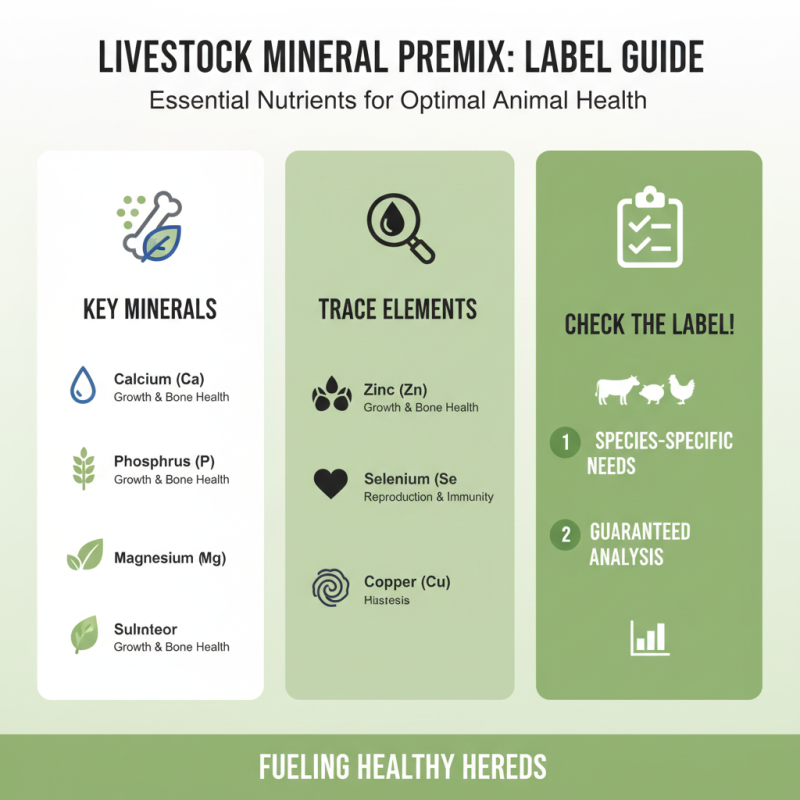
Specifically, minerals like calcium, phosphorus, magnesium, and trace elements such as zinc and copper are vital for metabolic functions and overall well-being.
When selecting a mineral premix, understanding the specific mineral requirements of different livestock species is essential. Research published in the Journal of Animal Science indicates that ruminants need higher levels of certain minerals compared to monogastric animals due to their unique digestive systems. For example, sheep require a diet rich in copper, while swine benefit from increased selenium levels.
Furthermore, adapting mineral supplementation based on regional soil deficiencies can significantly improve the health of livestock, with studies showing that addressing local mineral shortages results in a 15-20% increase in productivity. By tailoring mineral premixes to meet the specific needs of their animals, farmers can enhance not only the health of their livestock but also their economic viability.
Identifying Nutritional Needs Specific to Your Livestock Type
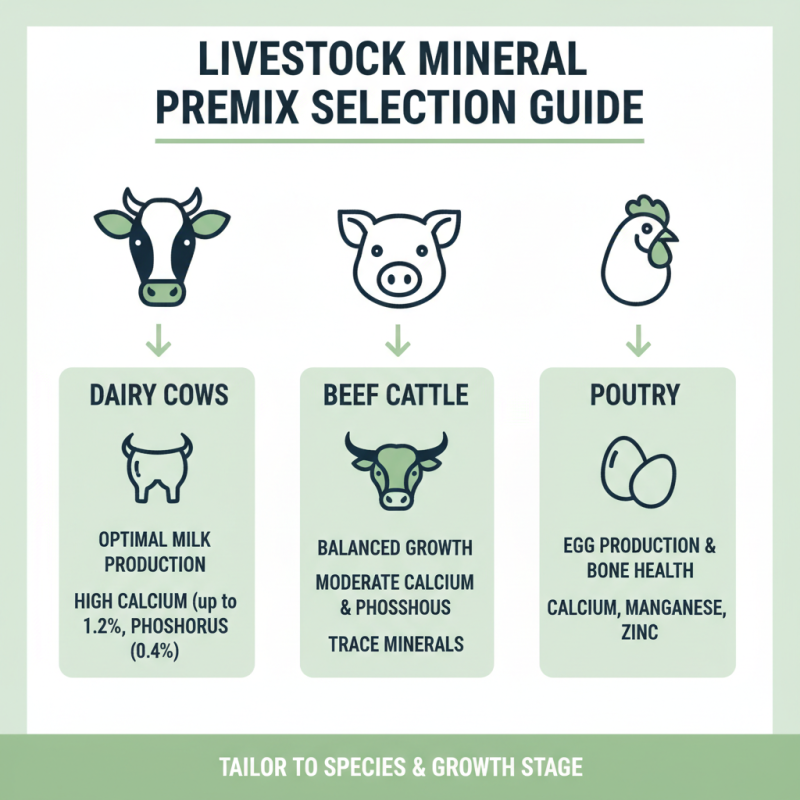
When selecting the appropriate mineral premix for livestock, understanding the specific nutritional needs of each livestock type is crucial. Different species and stages of growth have unique requirements for minerals and vitamins, which can significantly impact their health and productivity. For instance, dairy cows require higher levels of calcium and phosphorus for optimal milk production, with recommended dietary allowances suggesting up to 1.2% calcium and 0.4% phosphorus in their diet. In contrast, beef cattle may require lower levels of these minerals, emphasizing a balanced approach tailored to their growth phases.
Moreover, research from the National Animal Feed Alliance indicates that deficiencies in trace minerals, such as zinc and copper, can lead to decreased reproductive performance and higher susceptibility to diseases in livestock. For example, cattle can benefit from zinc supplementation to enhance immune response and fertility. Similarly, poultry nutrition studies suggest that adequate selenium levels are key for egg production and hatchability, with recommended levels between 0.2 to 0.3 mg/kg of feed. Understanding these specific nutrient needs not only optimizes livestock performance but also contributes to overall herd health and profitability.
Evaluating Ingredient Quality and Source for Mineral Premixes
When selecting a mineral premix for livestock, the quality and source of ingredients play a pivotal role in ensuring optimal health and productivity. The first step in evaluating ingredient quality is to research the mineral forms included in the premix. High-quality minerals, such as chelated or organic minerals, are often more bioavailable, allowing for better absorption by the animals. In contrast, lower-quality inorganic minerals may not meet the nutritional requirements effectively, which can lead to deficiencies and health issues.
In addition to ingredient quality, sourcing is equally important. It is vital to ensure that the minerals are sourced from reputable suppliers who adhere to stringent quality control measures. This can often be gauged by reviewing suppliers' certifications and the presence of third-party testing, which confirms the purity and efficacy of the minerals. Understanding whether the minerals are derived from trusted geological sources or synthetic processes also aids in making informed decisions about the premix. By prioritizing both the quality and source of ingredients, livestock owners can help ensure their animals receive balanced nutrition for optimal growth and performance.
Reading and Interpreting Label Information on Mineral Premixes
When choosing the right mineral premix for your livestock, understanding label information is crucial. The label typically lists essential minerals and trace elements that your animals need for optimal health. Look for vital nutrients such as calcium, phosphorus, magnesium, and trace minerals like zinc and selenium. These elements play a significant role in growth, reproduction, and overall well-being, so it's essential to verify that the premix meets the specific requirements of the species you are raising.
Additionally, pay attention to the guaranteed analysis on the label, which indicates the minimum and maximum concentrations of nutrients in the premix. This information can guide you in selecting a product that balances cost with nutritional needs effectively. Instead of merely relying on brand names, it’s wise to scrutinize the composition and sourcing of the minerals included. By carefully reading and interpreting label information, you can make informed decisions that ensure your livestock receive the right balance of nutrients for healthier, more productive lives.
Consulting with Experts for Tailored Mineral Supplementation Advice
When it comes to optimizing livestock health and productivity, consulting with experts is key. Tailored mineral supplementation advice can make a significant difference in ensuring that your animals receive the specific nutrients they need. Experts in animal nutrition can evaluate your livestock's individual requirements based on factors such as species, age, and production goals. By leveraging their knowledge, you can avoid common pitfalls associated with one-size-fits-all solutions and create a customized mineral premix that supports overall well-being.
In addition to expert consultations, consider these tips for choosing the right mineral premix. First, assess the nutritional gaps specific to your livestock, which can often be identified through forage testing. Understanding the baseline can help guide your supplementation strategy. Furthermore, monitor the performance and health indicators of your animals regularly. This ongoing observation allows for timely adjustments in mineral intake and ensures that your livestock thrive at every stage of production. Remember, informed decisions lead to better outcomes for your herd.