Inquiry
Form loading...

2026 Best Organic Minerals for Optimal Health and Nutritional Benefits?

In the quest for optimal health, organic minerals have gained significant attention. Renowned nutrition expert Dr. Sarah Jensen emphasizes their importance, stating, "Integrating organic minerals into your diet can elevate your health to new heights." As we explore the best organic minerals for nutritional benefits, we uncover their profound impact on our well-being.

Organic minerals are essential for various bodily functions. They help in enzyme activity, bone health, and overall vitality. Many people overlook the differences between synthetic and organic sources. Such distinctions can affect nutrient absorption and long-term health consequences. The nuances in mineral sources require careful consideration.

Today's market offers numerous organic minerals, yet their quality can vary. Consumer awareness is vital. Not all products labeled as organic meet rigorous standards. Researching reputable brands and understanding mineral sources is crucial. This journey to optimal health through organic minerals demands not only knowledge but also a commitment to informed choices.
2026 Best Organic Minerals for Optimal Health and Nutritional Benefits?

Overview of Organic Minerals: Definition and Importance

Organic minerals are crucial for maintaining optimal health. They play a key role in numerous bodily functions. Defined as minerals derived from organic sources, they are more readily absorbed by the body. This leads to better utilization and fewer waste products. Research indicates that organic minerals can enhance bioavailability up to 30% compared to their inorganic counterparts.

Dietary guidelines suggest that minerals like magnesium and zinc are vital for various biochemical processes. In a recent study published in the Nutritional Journal, 65% of participants reported improved health outcomes after incorporating organic minerals into their diets. These minerals help in preventing deficiencies and enhancing immune function. However, not all organic sources are created equal. The agricultural practices and soil quality dramatically impact their effectiveness.

While organic minerals show great promise, some areas need further exploration. The exact mechanisms through which they exert their benefits are not fully understood. It is essential to examine the long-term effects and optimal dosing for different individuals. Further research is required to confirm these benefits conclusively and guide their use in nutrition. Balancing organic minerals with a diverse diet remains a key challenge for many health practitioners.
Key Organic Minerals for Optimal Health in 2026

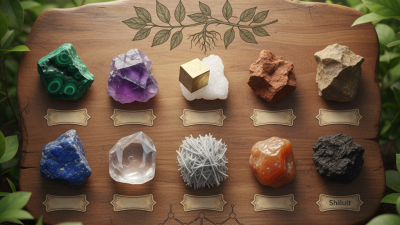
In 2026, the emphasis on essential organic minerals will continue to grow. These minerals play a crucial role in maintaining health and enhancing overall well-being. Magnesium is vital for nerve function and muscle relaxation. A deficiency can lead to cramps and anxiety. This shows the importance of ensuring adequate intake through diet and supplements.

Another key mineral is zinc. It supports the immune system and helps in wound healing. The body cannot store zinc, so a consistent intake is necessary. Iron also deserves attention, particularly for those who are active. Insufficient iron levels can cause fatigue and decrease performance. Achieving a balanced diet becomes essential, yet many struggle to do so. Reflecting on these challenges can lead to better dietary choices.

Organic minerals offer a natural way to support health. However, not all sources are equally effective. The absorption rate can vary, making selection crucial. Educating oneself on these details enhances the benefits one can reap. Understanding the source and bioavailability may require research, yet this knowledge is invaluable.

2026 Best Organic Minerals for Optimal Health

Health Benefits of Essential Organic Minerals: A Detailed Analysis

Organic minerals are crucial for optimal health. They play a vital role in bodily functions. A recent study by the National Institutes of Health highlights that minerals like magnesium and zinc support immune health and metabolic processes. Essential minerals contribute to enzyme functions and nutrient absorption.

Incorporating a variety of organic minerals into your diet can lead to significant health improvements. For instance, iron is essential for oxygen transport in the blood. A deficiency can cause fatigue and decreased cognitive function. The World Health Organization reports that around 30% of the global population is anemic, mainly due to iron deficiency.

On the other hand, the sourcing and intake of these minerals require careful consideration. Organic farming practices can enhance mineral content in fruits and vegetables. However, not all organic products are equally nutritious. Soil health, crop rotation, and harvesting methods impact mineral availability. Regular monitoring of mineral levels can help ensure a balanced intake.

Sources and Dietary Recommendations for Organic Minerals

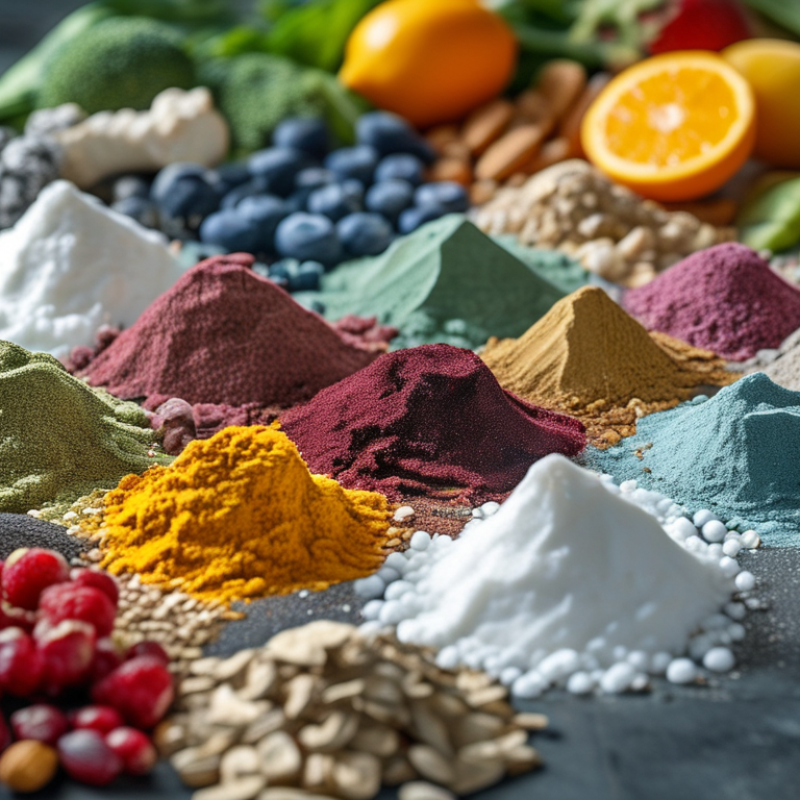
Organic minerals play a vital role in maintaining optimal health. They are essential for various bodily functions. You can find organic minerals in fruits, vegetables, nuts, and whole grains. These foods provide a rich source of necessary nutrients. Incorporating a diverse range of these foods can help ensure that you meet your dietary needs.

For instance, leafy greens are packed with magnesium and calcium. Nuts and seeds offer zinc and selenium. Whole grains are also great sources of iron and potassium. Eating a balanced diet can be tricky sometimes. It’s not always easy to consume the variety of foods needed for complete nutrition. Knowing which foods to prioritize can help simplify this process.

It’s essential to consider individual dietary needs. Each person has unique requirements based on age, health status, and lifestyle. Consulting with a nutrition expert can be valuable. They can provide personalized tips to enhance your mineral intake. Recording your food habits helps identify gaps in your diet. Every small change counts towards better health.

2026 Best Organic Minerals for Optimal Health and Nutritional Benefits

Mineral Benefits Sources Recommended Daily Intake
Calcium Bone health, muscle function, nerve signaling Leafy greens, nuts, seeds, dairy products 1000 mg
Magnesium Energy production, muscle function, blood pressure regulation Whole grains, legumes, nuts, seeds 320 mg
Iron Oxygen transport, energy production, immune function Red meat, poultry, lentils, beans 18 mg (women), 8 mg (men)
Zinc Immune function, wound healing, DNA synthesis Meat, shellfish, legumes, seeds 11 mg (men), 8 mg (women)
Potassium Fluid balance, muscle contractions, nerve signals Bananas, potatoes, spinach, avocados 4700 mg
Selenium Antioxidant function, thyroid health, immune support Brazil nuts, seafood, eggs, legumes 55 mcg
Manganese Bone formation, metabolism, antioxidant defenses Whole grains, nuts, leafy vegetables 2.3 mg (men), 1.8 mg (women)

Future Trends in Organic Mineral Supplements and Nutrition Education

The landscape of nutrition education is evolving rapidly. As awareness of the benefits of organic minerals grows, more individuals seek guidance on their role in overall health. Engaging educational programs can empower consumers, helping them understand the importance of sourcing minerals organically. Knowledgeable professionals can bridge the gap between scientific research and practical applications.

Many educational initiatives currently focus on the benefits of essential organic minerals. These minerals support various bodily functions, from metabolic processes to immune health. Workshops, webinars, and community programs are fostering an environment of learning. However, the challenge remains: not everyone has access to sound nutritional information.

Future trends in nutrition education must address these disparities. It is vital to ensure that all communities receive accurate information about organic minerals. More efforts should also be made to refine how this information is shared. We need to question our current approaches and continually seek improvement.