The Benefits of Organic Copper for Health and Agriculture You Need to Know
Organic copper, a vital micronutrient, plays an essential role in both human health and agricultural productivity. According to a report published by the National Institutes of Health, copper is crucial for various biological functions, including forming red blood cells and maintaining nerve health. The growing interest in organic farming has shifted focus toward the use of natural sources of minerals, including organic copper, which is considered safer and more environmentally friendly compared to synthetic alternatives. Moreover, the Food and Agriculture Organization highlights that copper deficiency in crops can lead to significant yield losses, making the use of organic copper a strategic choice for sustainable agriculture.
Recent studies indicate that organic copper not only enhances plant health but also improves soil quality by promoting beneficial microbial activity. This is particularly important in a time when soil degradation and nutrient depletion are pressing concerns for farmers worldwide. The application of organic copper has been associated with increased crop resilience to diseases and pests, thereby minimizing the need for chemical pesticides and fertilizers. As such, adopting organic copper in agricultural practices not only fosters a healthier ecosystem but also contributes to improved food security and sustainable farming practices, presenting a win-win solution for both growers and consumers alike.
Understanding Organic Copper: Definition and Sources
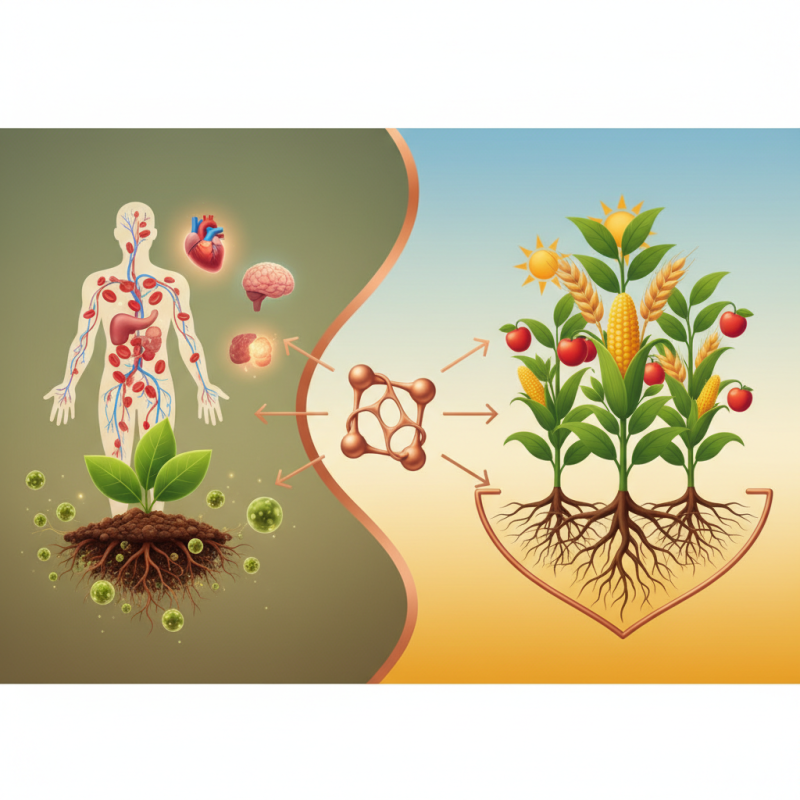
Organic copper refers to copper compounds that are bound to organic molecules, making them more bioavailable and environmentally friendly. Unlike conventional copper forms, which may be derived from synthetic sources, organic copper is generally sourced from natural products, ensuring that it contributes positively to both health and agriculture. These natural sources include plant-based materials, seaweed extracts, and certain minerals that enhance the organic properties of the copper.
In agriculture, organic copper is utilized as a nutrient and a trace element essential for plant growth. It plays a vital role in photosynthesis, enzyme production, and overall plant metabolism. Additionally, organic copper can help protect crops from certain pathogens, improving resilience and reducing the need for synthetic pesticides.
On the health front, organic copper supports various bodily functions, including the formation of red blood cells, collagen synthesis, and the maintenance of nerve health. Its organic form allows for better absorption in the body, minimizing the risk of toxicity associated with excessive copper in its inorganic form.
Health Benefits of Organic Copper for Human Physiology
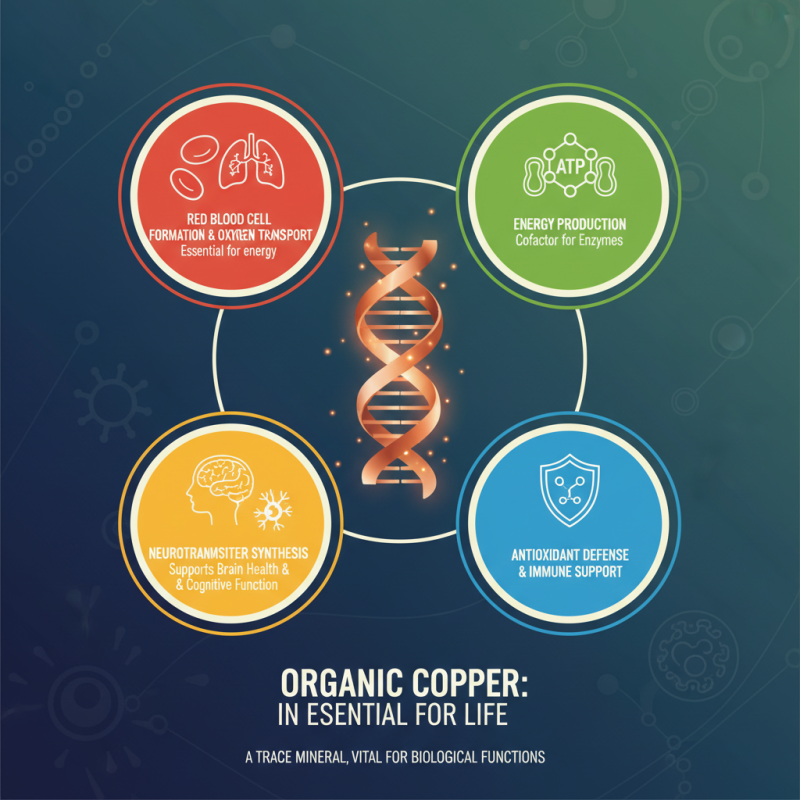
Organic copper plays a vital role in human physiology, contributing to various essential biological functions. As a trace mineral, copper is fundamental for the formation of red blood cells, ensuring that oxygen is efficiently transported throughout the body. It acts as a cofactor for several enzymes, facilitating crucial biochemical reactions such as energy production and the synthesis of neurotransmitters, which are vital for brain health and cognitive function.
Moreover, copper supports the immune system by promoting the development of immune cells and enhancing inflammatory responses. Its antioxidant properties help combat oxidative stress, protecting cells from damage caused by free radicals. This protective effect is particularly important for maintaining cardiovascular health and reducing the risk of chronic diseases. Additionally, copper is necessary for maintaining healthy connective tissues and supports the absorption of iron, further accentuating its importance in metabolic processes and overall well-being.
Role of Organic Copper in Sustainable Agriculture Practices
Organic copper plays a crucial role in sustainable agriculture practices, serving as an essential micronutrient for various crops. In organic farming, the focus is on maintaining soil health and promoting eco-friendly methods that enhance the natural growth processes. Copper contributes to several physiological functions in plants, including photosynthesis, respiration, and the synthesis of essential enzymes. By ensuring plants receive adequate copper, farmers can improve crop quality and yield, ultimately leading to more resilient agricultural systems.
In addition to benefiting individual crops, organic copper is a key player in soil management practices that support sustainable agriculture. It helps in the development of healthy soil microbiomes, promoting the growth of beneficial microorganisms that are vital for nutrient cycling. This not only aids in maintaining soil fertility but also enhances the ecological balance within farming systems. By integrating organic copper into their practices, farmers can reduce their reliance on synthetic fertilizers and pesticides, thereby minimizing environmental impact while improving crop productivity and sustainability.
The Benefits of Organic Copper for Health and Agriculture You Need to Know
| Dimension |
Data |
| Copper Deficiency in Soil |
15% of agricultural soils |
| Impact on Crop Yield |
Increases by 20-30% with organic copper |
| Role in Plant Health |
Essential for photosynthesis and enzyme function |
| Sustainable Practices Adoption |
40% increase in organic practices |
| Health Benefits for Animals |
Reduces infection rates and increases growth |
| Environmental Impact |
Lower pollution compared to synthetic alternatives |
Comparative Analysis: Organic Copper vs. Synthetic Copper Compounds
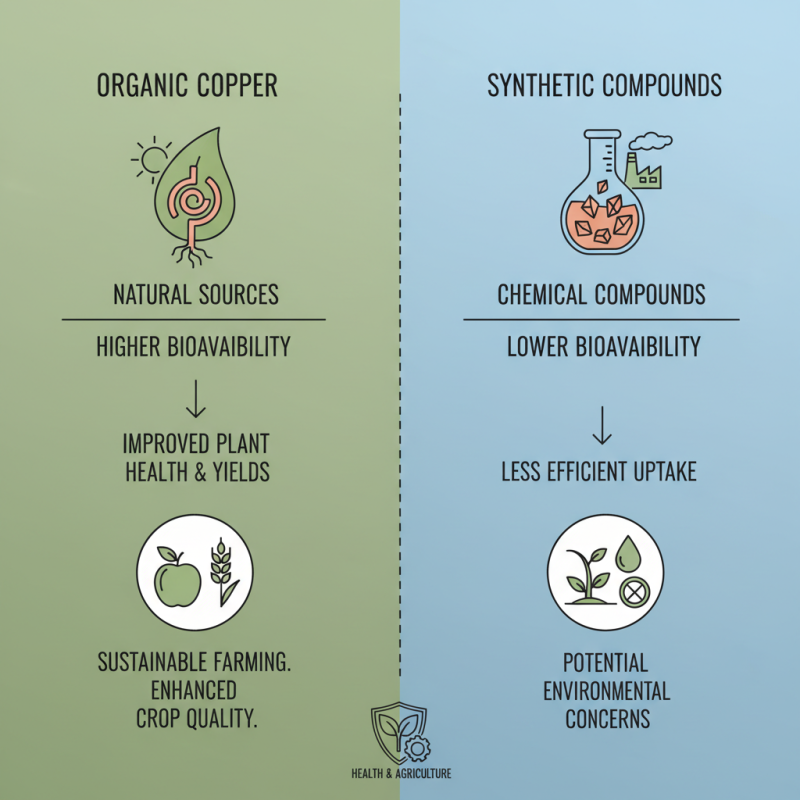
When examining the use of organic copper versus synthetic copper compounds, it is crucial to consider how their distinct properties impact both health and agricultural outcomes. Organic copper, often derived from natural sources like copper chelates, possesses a higher bioavailability compared to its synthetic counterparts. According to a report by the International Journal of Agricultural Science, organic copper is absorbed more effectively by plants, leading to improved nutrient uptake and overall plant health. This, in turn, enhances crop yields and quality, which is essential for sustainable farming practices.
In contrast, synthetic copper compounds, while often more readily available and cost-effective, can lead to accumulation in the soil, potentially disrupting microbial ecosystems and leading to toxicity in plants and animals. A study published in Environmental Research Letters highlighted that prolonged use of synthetic copper could result in soil degradation and reduced agricultural productivity over time. Furthermore, synthetic options may pose risks to human health through accumulation in the food chain, raising concerns regarding safe levels of consumption. This comparative analysis underscores the importance of choosing organic copper as a more sustainable and health-conscious option for both farmers and consumers.
Potential Risks and Considerations of Organic Copper Usage
While organic copper is often lauded for its benefits in health and agriculture, it’s essential to recognize the potential risks and considerations associated with its usage. For example, excessive intake of copper, even in organic forms, can lead to toxicity. According to the World Health Organization, the tolerable upper intake level for copper in adults is set at 10 mg per day. Surpassing this threshold can result in symptoms such as gastrointestinal distress, liver damage, and neurological issues.
Moreover, in agricultural contexts, the use of organic copper as a fungicide can have unintended consequences for soil health. Research published in the Journal of Environmental Quality indicates that prolonged copper application can lead to soil accumulation, which may disrupt microbial communities vital for nutrient cycling. A study highlighted that continuous use of copper-based products could lead to a 50% reduction in beneficial bacteria, ultimately affecting crop yields and soil fertility. These considerations underline the importance of regulated use and monitoring to mitigate risks while harnessing the benefits of organic copper.
The Benefits and Considerations of Organic Copper in Health and Agriculture