What are the Benefits of L-Selenomethionine for Health?
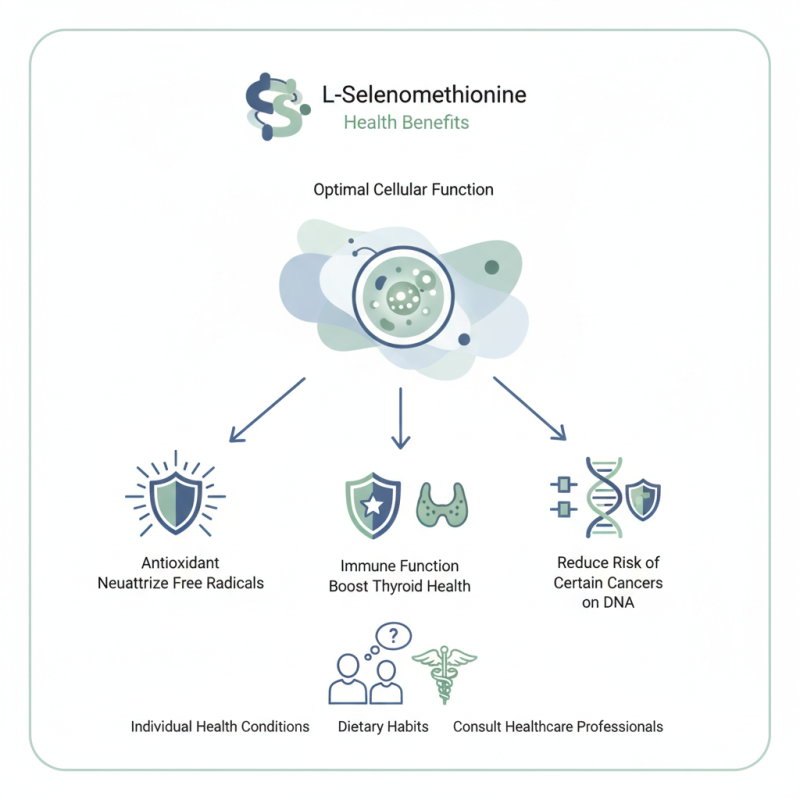
L-Selenomethionine has garnered attention for its potential health benefits. Dr. Emily Carter, a noted expert in nutritional biochemistry, states, "L-Selenomethionine is vital for optimal cellular function." This compound, a form of the amino acid methionine, contains selenium, an essential trace mineral.
Research highlights its role as an antioxidant, helping to neutralize harmful free radicals. It may support immune function and boost thyroid health. Some studies suggest that L-Selenomethionine may reduce the risk of certain cancers, providing a protective effect on DNA.
Despite its benefits, not everyone may respond the same way. Individual health conditions and dietary habits can influence effectiveness. Therefore, consulting with healthcare professionals before supplementation is wise. L-Selenomethionine holds promise, but more research is necessary to fully understand its implications for human health.
Benefits of L-Selenomethionine for Immune System Support
L-Selenomethionine is a naturally occurring form of selenium, an essential trace mineral. It plays a crucial role in maintaining immune health. By supporting the body's antioxidant defense system, it helps neutralize harmful free radicals. This is important for protecting immune cells and reducing oxidative stress.
Research suggests that selenium enhances immune function. It supports the proliferation of T-cells and boosts the production of antibodies. This leads to an improved response to infections. Regular intake may also reduce the risk of certain illnesses, including respiratory infections. Some studies indicated a correlation between adequate selenium levels and decreased inflammation.
However, overconsumption of selenium can have adverse effects. It's vital to consume it within recommended limits. Not everyone may experience the same benefits. Individual health conditions and dietary habits can influence its effectiveness. Monitoring selenium levels through diet is essential for balanced health.
Role of L-Selenomethionine in Antioxidant Defense Mechanisms
L-Selenomethionine, a natural compound formed from selenium, plays a crucial role in our body's antioxidant defense mechanisms. Antioxidants are vital in combating oxidative stress, which can lead to chronic diseases. L-Selenomethionine helps maintain cellular health by neutralizing harmful free radicals. Its unique structure allows it to integrate into proteins, enhancing their antioxidant capabilities.
Including foods rich in L-Selenomethionine can be beneficial. This compound can be found in certain nuts, grains, and legumes. If you're unsure about your selenium levels, consider speaking to a healthcare professional. They can guide you on the right dietary choices. Supplements are available but should not replace a balanced diet. Not everyone responds the same way to supplementation; some might need more time to notice changes.
It's essential to reflect on your lifestyle habits. Are you getting enough antioxidants? L-Selenomethionine may boost your defenses, but it works best together with a healthy diet and regular exercise. Strive for balance. Over-reliance on supplements could lead to neglecting proper nutrition. Always aim for a holistic approach to health for better outcomes.
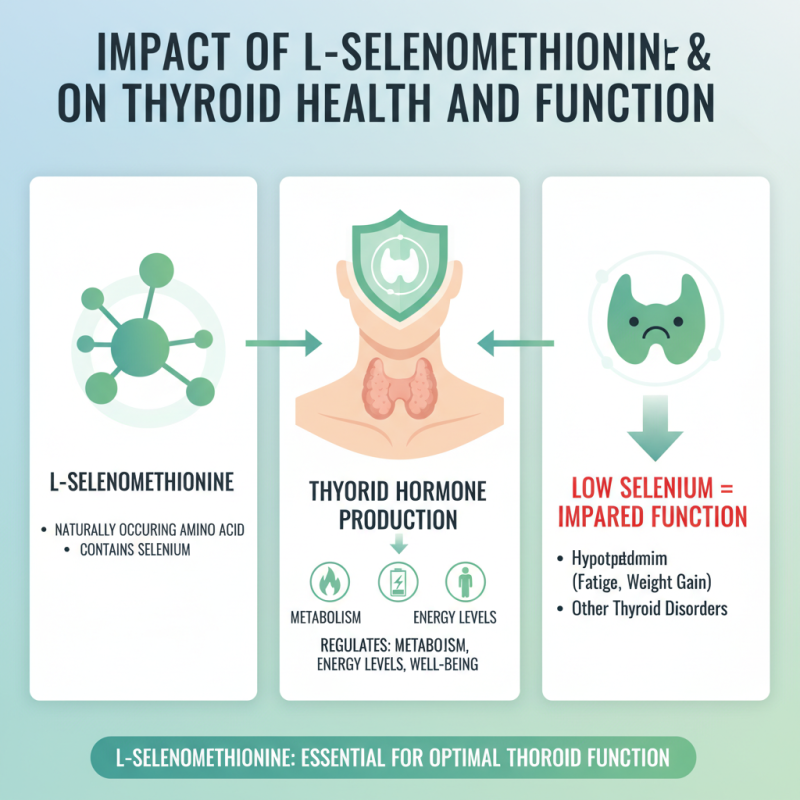
Impact of L-Selenomethionine on Thyroid Health and Function
L-Selenomethionine is a vital compound for thyroid health. This naturally occurring amino acid contains selenium, which is essential for the production of thyroid hormones. The thyroid relies on these hormones to regulate metabolism, energy levels, and overall wellbeing. Low selenium levels can impair thyroid function and lead to disorders, such as hypothyroidism.
Incorporating L-Selenomethionine into one’s diet can boost antioxidant defenses too. It helps combat oxidative stress, which can damage thyroid cells. Studies have shown that adequate selenium levels support the conversion of thyroxine (T4) to triiodothyronine (T3), the active form of thyroid hormone. This conversion is crucial for metabolic processes and can improve energy levels.
However, there are nuances to consider. Excessive selenium intake may lead to toxicity and adverse effects. Finding the right balance is essential. Individuals should consult healthcare professionals before making significant dietary changes. This ensures they promote thyroid health without risking potential harm. It’s a complex area that requires attention and careful management.
Potential Effects of L-Selenomethionine on Cardiovascular Health
L-Selenomethionine is gaining attention for its potential cardiovascular benefits. This selenium-containing amino acid plays a role in antioxidant defense, possibly influencing heart health. Research indicates that adequate selenium levels may lower the risk of heart disease. A study published in the "Journal of Nutrition" found that selenium supplementation may reduce inflammation markers related to cardiovascular issues.
In practice, the connection between L-Selenomethionine and heart health is still being explored. One study highlighted that individuals with higher selenium levels showed improved endothelial function. Endothelial function is crucial for maintaining vascular health. Another report noted that selenium status can modify cardiovascular disease risk factors. Yet, not all findings are consistent. Some studies question the effectiveness of selenium for preventing heart diseases, suggesting more research is needed.
Healthcare experts recommend a balanced approach. While L-Selenomethionine may provide benefits, over-supplementation could lead to toxicity. Therefore, awareness of individual nutritional needs is essential. It’s vital to consult with healthcare professionals before starting new supplements. Understanding these nuances can empower better heart health decisions.
L-Selenomethionine's Contribution to Overall Nutritional Balance
L-Selenomethionine is an important nutrient that plays a crucial role in maintaining overall nutritional balance. This organic form of selenium is easier for the body to absorb compared to other forms. It supports antioxidant activity, helping to protect cells from damage caused by free radicals. By incorporating L-Selenomethionine into your diet, you may enhance your body’s defenses and promote better health.
One key benefit is its contribution to thyroid function. Selenium is essential for the production of thyroid hormones. Adequate selenium levels can help regulate metabolism and energy levels. Many people may overlook this vital nutrient in their diets, leading to imbalances. It is worth noting that while L-Selenomethionine has benefits, excessive intake can be harmful. Balance is essential.
Additionally, L-Selenomethionine may improve mood and cognitive function. Some studies suggest a link between selenium and mental health. It can influence mood regulation. However, more research is needed to fully understand these effects. While the benefits are promising, individuals should approach supplementation carefully. Always consider professional guidance when making dietary changes.