2026 Top Trends in Glycinate Manganese and Its Health Benefits?
Glycinate manganese is emerging as a key player in wellness and nutrition. Recent studies highlight its role in optimizing metabolic functions and supporting bone health. The global market for manganese supplements is projected to reach over $1 billion by 2026, as consumers increasingly seek natural health solutions.
Research suggests that glycinate manganese is more bioavailable than other forms. This means the body can absorb it more efficiently. A 2022 report by the Nutritional Sciences Journal found that those supplementing with glycinate manganese showed improved joint function compared to those who did not. However, it is crucial to consider individual needs and potential interactions with other minerals.
Incorporating glycinate manganese into daily routines can offer benefits, but it’s not without concerns. Not every individual may respond positively to supplements. Further research is needed to justify broad recommendations. Balancing supplementation with a healthy diet is essential for maximizing health benefits.

Understanding Glycinate Manganese: Definition and Composition
Glycinate manganese is a unique mineral compound. It combines manganese with glycine, an amino acid. This enhances its absorption in the body. Manganese plays a vital role in numerous biochemical processes. It supports healthy bones, metabolism, and antioxidant functions.
Tips: When shopping for supplements, look out for forms that enhance bioavailability. Check labels for the amount of manganese per serving.
Understanding its composition is essential. Glycinate manganese includes manganese oxide and glycine. This unique bond aids in more efficient uptake. Some research suggests benefits for cognitive health and energy levels. Yet, not all studies agree on its effectiveness.
Tips: Always consult a healthcare provider before starting new supplements. Monitor how you feel within the first few weeks. It helps to take them consistently for better results.
2026 Top Trends in Glycinate Manganese and Its Health Benefits
This chart represents the projected interest levels in various aspects of glycinate manganese, including general awareness, supplement sales, health claims, research publications, and consumer preferences for 2026. Each bar indicates how much attention and market interest these trends are expected to garner.
Benefits of Glycinate Manganese for Cardiovascular Health
Glycinate manganese has recently gained attention for its potential benefits, particularly in cardiovascular health. Research shows that manganese plays a crucial role as a cofactor in various enzymatic reactions essential for maintaining heart function. It helps in regulating blood pressure and cholesterol levels, which directly impacts heart health.
Studies indicate that glycinate manganese may support the body's antioxidant defenses. By scavenging harmful free radicals, it can reduce oxidative stress in cardiovascular tissues. This process is vital as oxidative stress is linked to heart disease. While more research is needed, early findings are promising. However, individuals should approach supplementation with caution, considering the need for balanced mineral intake.
It’s essential to reflect on dietary sources of manganese as well. Foods rich in this mineral include nuts, whole grains, and leafy greens. Incorporating these into your diet may provide similar benefits without the risks associated with excessive supplementation. Speaking with a healthcare professional before starting any new supplement is advisable. Each individual has unique health needs, and personalized recommendations are key to ensuring safety and efficacy.
2026 Top Trends in Glycinate Manganese and Its Health Benefits
| Health Benefits |
Description |
Recommended Daily Intake |
Sources |
| Heart Health |
Supports cardiovascular function and may help lower cholesterol levels. |
2-5 mg per day |
Supplements, whole grains, and nuts. |
| Bone Health |
Aids in bone density maintenance and overall skeletal health. |
3-4 mg per day |
Dark leafy greens and legumes. |
| Anti-inflammatory |
Helps reduce inflammation throughout the body. |
2-3 mg per day |
Fruits and vegetables. |
| Cognitive Function |
May support memory and cognitive processes. |
2-4 mg per day |
Whole grains and fish. |
Role of Glycinate Manganese in Bone Density and Joint Health
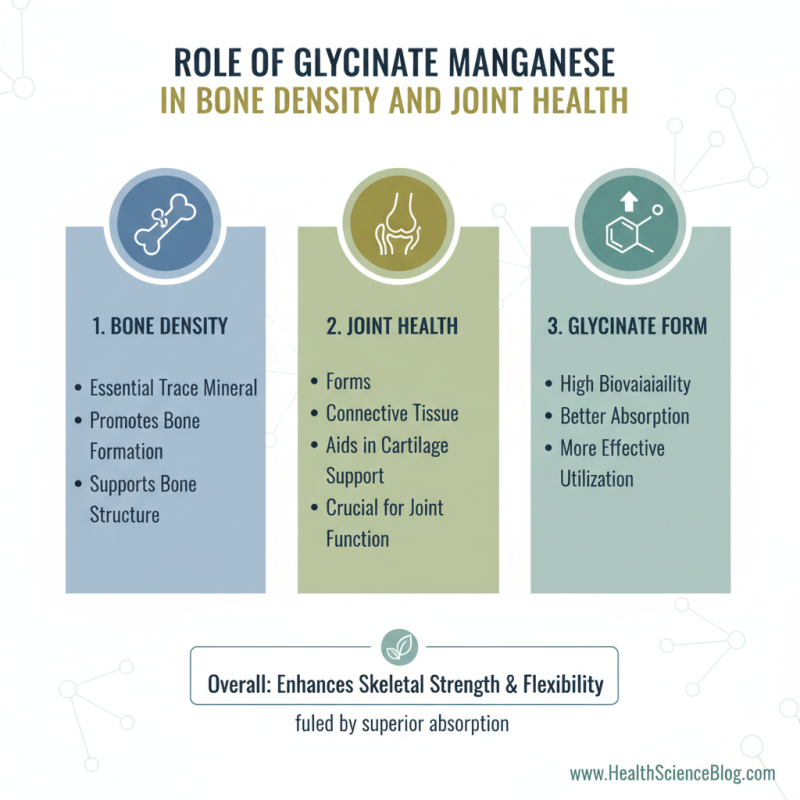
Glycinate manganese plays a crucial role in promoting bone density and supporting joint health. Manganese is an essential trace mineral involved in numerous biological processes. It helps form connective tissue, bones, and even blood-clotting factors. The glycinate form is particularly beneficial due to its high bioavailability. This means the body can absorb and utilize manganese more effectively compared to other forms.
In terms of bone density, studies suggest that manganese helps in the formation of bone matrix proteins. These proteins are vital for bone strength and durability. Insufficient manganese levels can lead to weaker bones and a higher risk of fractures. Additionally, manganese supports joint health by contributing to the production of cartilage. Cartilage acts as a cushion between joints, preventing wear and tear. However, many individuals may not consume adequate manganese through their diet.
Reflecting on dietary habits, people often overlook manganese-rich foods. Nuts, seeds, and whole grains are excellent sources. Yet, these foods may not be staples in everyone’s diet. Therefore, those with joint issues or concerns about bone density may need to evaluate their manganese intake. It's essential to consider these factors, as they can significantly impact long-term health.
Latest Research on Glycinate Manganese and Antioxidant Properties
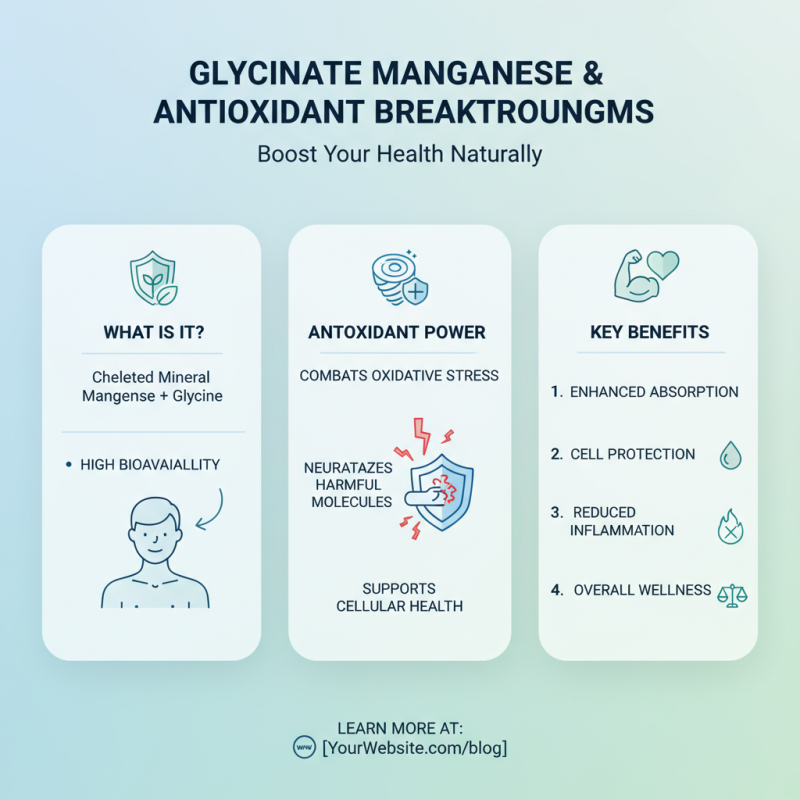
Recent research has highlighted the antioxidant properties of glycinate manganese, showcasing its role in health management. Glycinate manganese, a chelated mineral, is known for its bioavailability. This means the body can efficiently absorb and utilize it. Antioxidants combat oxidative stress, a factor in various health conditions. Manganese plays a crucial role in this process.
Studies indicate that glycinate manganese can help reduce inflammation. Chronic inflammation is linked to several diseases, including heart disease and diabetes. By supporting antioxidant defense mechanisms, glycinate manganese may aid in maintaining overall health. In addition, it promotes enzymatic functions important for metabolism and cellular health.
However, research is ongoing. More studies are needed to fully understand the long-term effects. Individuals may experience varying results based on their unique health profiles. Consulting healthcare professionals before supplementation is advisable. Understanding individual needs ensures a safer approach to incorporating new nutrients into one's diet.
Future Trends: Glycinate Manganese in Dietary Supplements and Nutrition
The rise of glycinate manganese in dietary supplements reflects growing interest in nutrition. This trace mineral plays a role in various bodily functions. For example, it supports bone health and aids in metabolic processes. As awareness of its benefits increases, health enthusiasts seek natural ways to enhance their well-being.
Consumers often look for high-bioavailability forms of minerals. Glycinate manganese stands out because it may offer better absorption. However, dosing is a consideration. Too much manganese can lead to toxicity. Awareness of potential side effects is essential for safe consumption.
Research continues to explore the full range of health benefits associated with glycinate manganese. Some studies suggest it may improve cognitive function. Yet, the evidence remains inconclusive and requires more rigorous testing. As the market evolves, consumers should approach new supplements with caution and a critical mindset.